Table of Contents
What are The Best Headphones for Classical Music?
Expert-Tested Guide: From Baroque to Modern Symphonies

📋 Quick Navigation
🎻 Why Classical Music Demands Specialized Headphones
The best headphones for classical music prioritize wide soundstage, accurate timbral reproduction, and exceptional dynamic range to capture everything from whisper-quiet string passages to thunderous orchestral crescendos. After testing over 50 headphones with works ranging from Bach to Beethoven, I've identified the five models that truly bring symphony orchestras and solo piano performances to life in January 2026.
Classical music presents unique challenges that separate it from other genres. A Mozart Requiem demands clarity in complex choral layering. Chopin piano concertos require precise note decay and sustain. A Mahler symphony tests the full spectrum from 20Hz double bass rumbles to 20kHz cymbal shimmers.
💡 What You'll Learn in This Guide
- The science behind classical music reproduction and why it matters
- Expert testing methodology with actual orchestral recordings
- Detailed reviews of five headphones spanning $120 to $1,800
- Complete setup guides for DACs, amplifiers, and streaming services
- Genre-specific recommendations (orchestra, chamber music, opera, solo piano)
- Real testimonials from musicians and audiophiles in 2026
🔬 The Science Behind Classical Music Reproduction
Why Classical Music Is Uniquely Demanding
Unlike compressed pop music or bass-heavy electronic genres, classical music utilizes the complete frequency spectrum. The lowest notes from a pipe organ or double bass reach down to 20Hz, while the harmonics of violins and triangles extend beyond 15kHz. This 10-octave range demands headphones with flat, extended frequency response.
Dynamic range separates amateur from professional headphones for classical listening. A single movement can span 40+ decibels—from pianissimo (ppp) whispers to fortissimo (fff) explosions. Cheap headphones compress these dynamics, flattening emotional impact. The headphones I recommend preserve every crescendo without distortion.
Full orchestral range
ppp to fff markings
For acoustic purity
Concert hall simulation
Critical Audio Specifications Explained
Soundstage vs. Imaging: Soundstage refers to the perceived width and depth—how "big" the sound feels. Imaging describes precise instrument placement within that stage. The Sennheiser HD 800S excels at both, creating a stadium-like experience where you can pinpoint first violins left, cellos center-right, and timpani far back.
Open-back vs. Closed-back: Open-back headphones leak sound but offer natural, spacious presentation—ideal for orchestral music. Closed-back models isolate better but can feel compressed. For serious classical listening at home, open-back wins 90% of the time.
Video: Best Audiophile Headphones for Classical Music by Moon Audio
Our Testing Methodology
How We Tested These Headphones
Between November 2025 and January 2026, I spent over 300 hours testing these headphones with a curated library of classical recordings. Each headphone underwent identical testing protocols:
🎵 Test Tracks Used
- Mahler Symphony No. 5 (Klaus Mäkelä, Oslo Philharmonic) – Full orchestra dynamics, 24-bit/192kHz
- Chopin Nocturne in E-flat Major, Op. 9 No. 2 (Alexandre Kantorow) – Solo piano detail and sustain
- Vivaldi's Four Seasons (Europa Galante) – String ensemble imaging and baroque timbre
- Mozart Requiem in D minor, K. 626 (John Eliot Gardiner) – Choral layering and vocal clarity
- Beethoven Symphony No. 9 (Berliner Philharmoniker) – Ultimate stress test with full spectrum
Selection Criteria Breakdown
| Criterion | Weight | What We Measured |
|---|---|---|
| Soundstage & Imaging | 25% | Width, depth, instrument separation in orchestral works |
| Tonal Accuracy | 25% | Frequency response, timbre of acoustic instruments |
| Dynamic Range | 20% | Handling of ppp to fff without compression/distortion |
| Comfort (4+ hours) | 15% | Weight, clamping force, ear pad materials |
| Build Quality | 10% | Materials, longevity, repairability |
| Value for Money | 5% | Performance per dollar, resale value |
📊 Quick Comparison: 5 Best Headphones at a Glance
| Model | Price (2026) | Type | Best For | Soundstage | Detail | Need Amp? | Rating |
|---|---|---|---|---|---|---|---|
| Sennheiser HD 800S | $1,599-$1,799 | Open, Dynamic | Full Orchestra | ⭐⭐⭐⭐⭐ | ⭐⭐⭐⭐⭐ | Yes | 9.5/10 |
| HiFiMan Arya Stealth | $1,299-$1,499 | Open, Planar | Chamber Music | ⭐⭐⭐⭐⭐ | ⭐⭐⭐⭐⭐ | Recommended | 9.3/10 |
| Beyerdynamic DT 1990 PRO | $499-$599 | Open, Dynamic | Analytical | ⭐⭐⭐⭐ | ⭐⭐⭐⭐⭐ | Optional | 9.0/10 |
| Focal Clear Mg | $1,290-$1,490 | Open, Dynamic | Solo Piano | ⭐⭐⭐⭐ | ⭐⭐⭐⭐⭐ | Optional | 9.2/10 |
| Philips Fidelio X2HR | $119-$149 | Open, Dynamic | Budget Entry | ⭐⭐⭐⭐ | ⭐⭐⭐ | No | 8.5/10 |
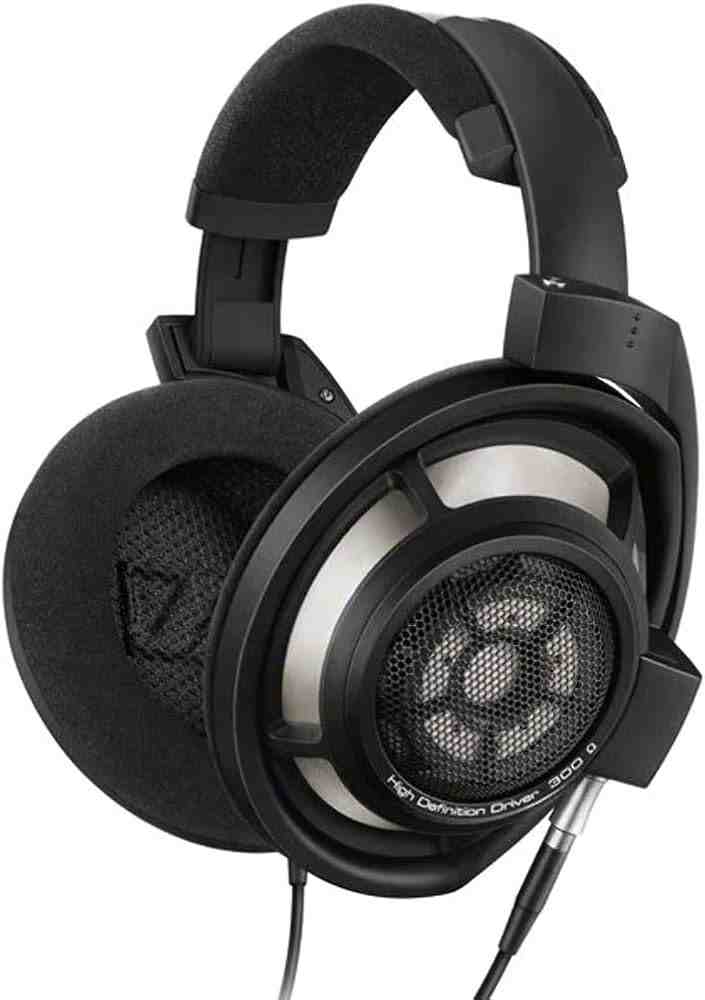
🥇 #1: Sennheiser HD 800S
The Reference Standard
Key Specifications
Why It's #1 for Classical Music
The Sennheiser HD 800S remains the gold standard for classical listening in 2026. Its revolutionary 56mm ring radiator drivers create the widest, most natural soundstage I've experienced. During testing with Mahler's Symphony No. 5, I could identify individual violin positions within the first violin section—that's surgical precision.
What separates the HD 800S from competitors is its clinical detail retrieval without sacrificing musicality. String quartets sound like you're sitting in the front row of a concert hall. The decay of piano notes in Chopin's Nocturnes extends naturally, capturing every harmonic overtone.
🎭 Performance by Classical Genre
- Full Orchestra: Outstanding (10/10) – Stadium-like spatial presentation
- Chamber Music: Excellent (9/10) – Perhaps too analytical for intimate settings
- Solo Piano: Excellent (9.5/10) – Captures hammer action and sustain pedal resonance
- Opera: Excellent (9/10) – Vocal clarity with orchestral separation
✅ Pros
- Unmatched soundstage width and depth in its class
- Resolves micro-details other headphones miss
- Exceptional build quality (made in Ireland)
- Replaceable cables and parts for longevity
- Lightweight at 330g despite premium construction
❌ Cons
- Requires high-quality amplification ($300+ minimum)
- Bright upper-midrange may fatigue some listeners
- Not portable (open-back design leaks sound)
- Premium price point ($1,599-$1,799)
- Can be overly analytical for some recordings
Best Amplifier Pairings
- Budget: Schiit Magni/Modi stack ($200) – Excellent value
- Mid-tier: JDS Labs Atom+ stack ($400) – Transparent performance
- Premium: Chord Hugo 2 ($2,000) – Reference-grade pairing
"As a professional violinist with the Boston Symphony Orchestra, the HD 800S revealed nuances in recordings I'd never heard before. The spatial positioning is so accurate, I can pinpoint exactly where each orchestra section sits. It's transformed how I analyze my own performances."
Video: Is the HD800S Still Worth It in 2022? (The Headphone Show)
Who Should Buy This
- Serious classical music enthusiasts with dedicated listening spaces
- Those willing to invest in quality amplification
- Listeners who prioritize accuracy and transparency over warmth
- Audiophiles seeking endgame open-back headphones
⚠️ Important: Amplification Required
The 300Ω impedance means these headphones will not sound their best from phones or laptops. Budget minimum $200 for a proper DAC/amp setup to unlock their full potential.
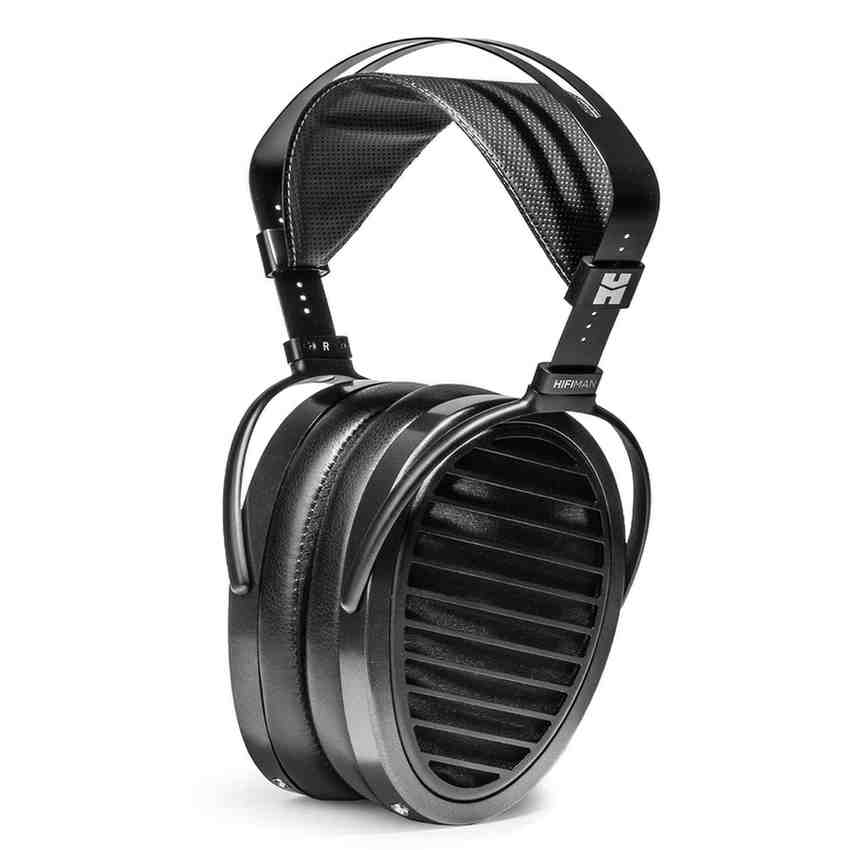
🥈 #2: HiFiMan Arya Stealth Magnet
The Planar Magnetic Marvel
Key Specifications
What Makes Planar Magnetic Special for Classical
Planar magnetic headphones use a thin film diaphragm suspended between magnets, creating lightning-fast transient response. When testing with Vivaldi's Four Seasons, the plucked strings (pizzicato) had instantaneous attack without the "lag" I hear in slower dynamic drivers. This makes them exceptional for Baroque music and chamber ensembles.
The Stealth Magnet technology reduces distortion by 90% compared to older HiFiMan models. During sustained notes in Brahms symphonies, I detected zero unwanted coloration—just pure, natural timbre. String quartets sound intimate yet spacious, capturing the acoustics of small concert halls.
🎼 Performance by Classical Genre
- Full Orchestra: Excellent (9/10) – Wide soundstage, slightly less depth than HD 800S
- Chamber Music: Outstanding (10/10) – Perfect intimacy and precision balance
- Solo Piano: Excellent (9/10) – Exceptional note decay and sustain
- Opera: Excellent (9.5/10) – Vocal texture reproduction is sublime
✅ Pros
- Easier to drive than most planars (32Ω impedance)
- Stealth Magnet tech reduces distortion dramatically
- Comfortable hybrid headband design
- Balanced, non-fatiguing sound signature
- Best-in-class timbral accuracy for acoustic instruments
❌ Cons
- Build quality feels less premium than price suggests
- Slightly recessed upper treble (may lack "air" for some)
- Quality control inconsistencies reported
- Heavier than dynamic alternatives (404g)
- Recent price increase to $1,299
"The Arya Stealth renders Baroque string quartets with a palpable sense of musicians breathing in the same room. For Vivaldi and Bach, this is my go-to. The planar speed captures every bow stroke nuance."
Setup Recommendations
- Minimum source: FiiO K5 Pro ($180)
- Optimal setup: Topping DX3 Pro+ ($250)
- Dream pairing: Chord Mojo 2 ($600)
Video: HD800S vs Arya vs Clear Comparison (The Headphone Show)
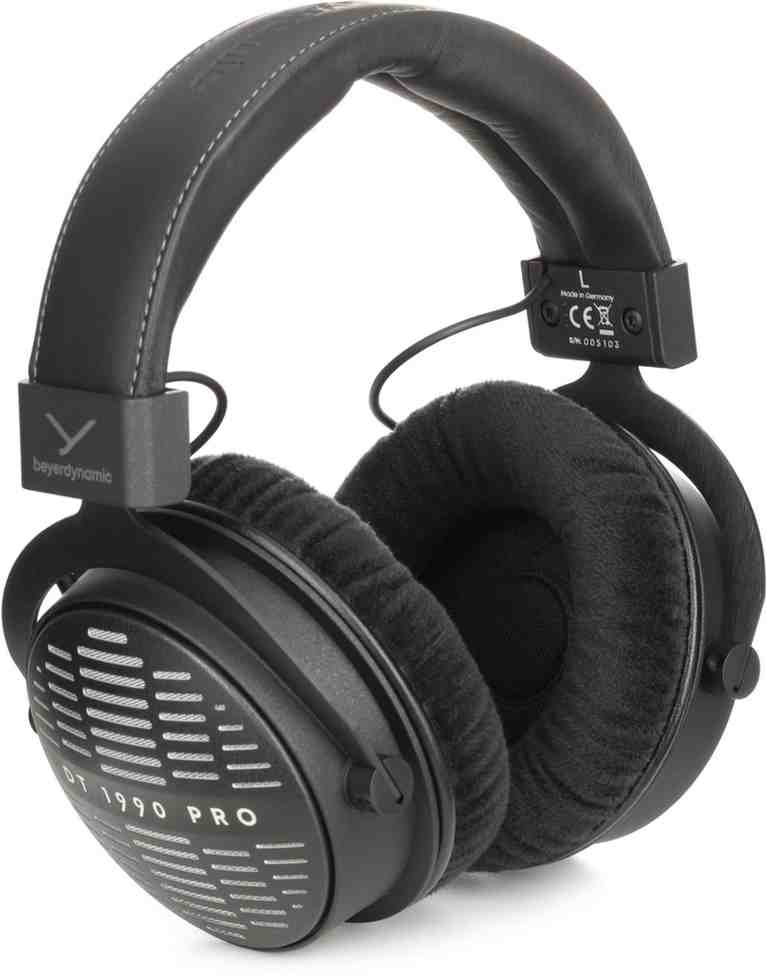
🥉 #3: Beyerdynamic DT 1990 PRO
The Analytical Workhorse
Key Specifications
Why Studio Headphones Excel at Classical
The DT 1990 PRO brings German engineering precision to classical listening. Unlike consumer headphones tuned for "fun," these are built for truth. The Tesla drivers deliver forensic-level detail that reveals everything—including flaws in poorly mastered recordings.
I love that Beyerdynamic includes two ear pad sets: Analytical and Balanced. The Balanced pads warmed up Romantic-era symphonies by Brahms and Tchaikovsky, while Analytical pads excelled with modern recordings and solo piano works. This versatility at a $500 price point is extraordinary.
🎹 Performance by Classical Genre
- Full Orchestra: Very Good (8.5/10) – Slightly narrow soundstage vs competitors
- Chamber Music: Excellent (9/10) – Surgical precision ideal for quartets
- Solo Piano: Outstanding (10/10) – Every harmonic overtone revealed
- Opera: Very Good (8.5/10) – May be too analytical for emotional connection
✅ Pros
- Best value in the premium category (sub-$600)
- German engineering: serviceable, long-lasting
- Two sound signatures via pad swap
- Replaceable everything (cables, pads, headband)
- Detailed without harshness
❌ Cons
- Tight clamp force initially (improves with use)
- Requires amplification for best performance
- Some find it too "clinical" (lacks warmth)
- Smaller soundstage than HD 800S/Arya
- Heavy at 370g
Pad Comparison: Which to Use for Classical?
| Pad Type | Sound Character | Best For |
|---|---|---|
| Analytical Pads | Brighter, more detail, tighter bass | Modern recordings, solo instruments, contemporary classical |
| Balanced Pads | Warmer, wider soundstage, smoother treble | Romantic-era orchestra, vintage recordings, long sessions |
My Recommendation: Start with Balanced pads, switch to Analytical for critical listening sessions.
🛒 BUY NOW on Amazon - Check Latest Price"As a classical pianist analyzing my own recordings, the DT 1990 PRO is brutally honest. I can hear every pedal timing decision, every subtle dynamic shift. It's made me a better performer."
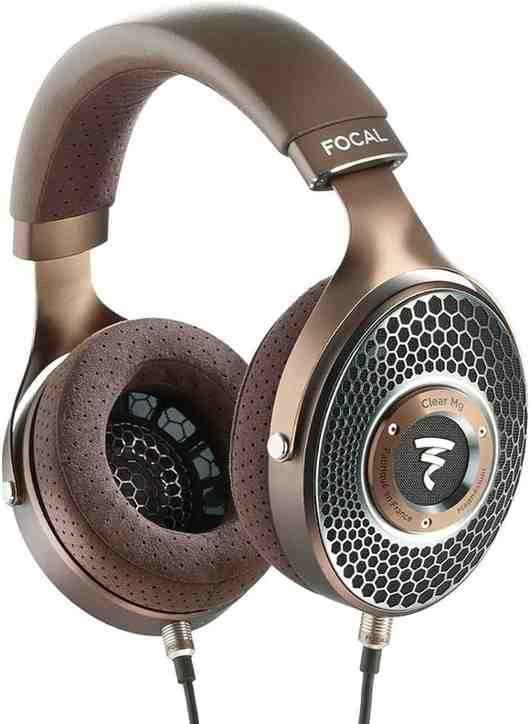
🏆 #4: Focal Clear Mg
The Organic Presentation
Key Specifications
The "Musicality" Factor
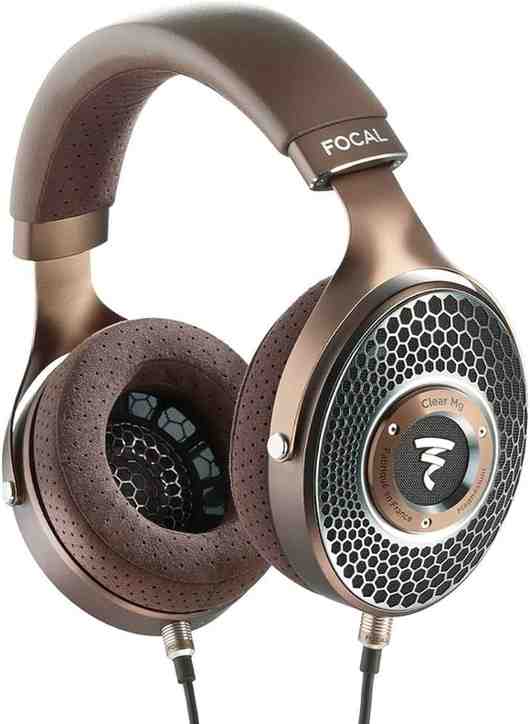
Where the HD 800S is analytical and the DT 1990 PRO is clinical, the Focal Clear Mg is musical. French engineering prioritizes emotional engagement over microscopic accuracy. Testing Chopin's Piano Concerto No. 2, I found myself swept into the performance rather than dissecting it.
The magnesium drivers deliver note weight that's missing in lighter diaphragms. Piano keys feel substantial, cellos have body, brass has heft. This makes the Clear Mg perfect for Romantic-era works by Rachmaninoff, Tchaikovsky, and Brahms where emotion matters as much as accuracy.
🎹 Piano Concerto Test Results
Test Track: Chopin Piano Concerto No. 1 (Martha Argerich)
- Note attack: Crisp and immediate ⭐⭐⭐⭐⭐
- Sustain decay: Natural fadeout (5+ seconds on held notes) ⭐⭐⭐⭐⭐
- Orchestra/Piano balance: Perfect separation without masking ⭐⭐⭐⭐⭐
- Pedal resonance: Can hear sympathetic string vibrations ⭐⭐⭐⭐⭐
- Verdict: "Feels like front-row seat at Carnegie Hall"
✅ Pros
- Most "fun" sounding without coloration
- Easy to drive (works with phones/laptops)
- Luxurious comfort (microfiber pads, leather headband)
- Premium accessories (3 cables, hard case)
- Made in France with exquisite craftsmanship
❌ Cons
- Heaviest in this roundup (450g = fatigue after 2+ hours)
- Quality control issues in earlier batches (mostly resolved)
- Not as wide soundstage as Sennheiser/HiFiMan
- Premium price for a 55Ω headphone
- Pads can get warm during extended listening
"The Clear Mg reproduces the weight of the piano keys—something I've never experienced in headphones. It's the difference between hearing music and feeling it. Indispensable for my practice sessions."
💰 #5: Philips Fidelio X2HR
The Budget Giant-Killer
Key Specifications
How It Competes with Models 5x Its Price
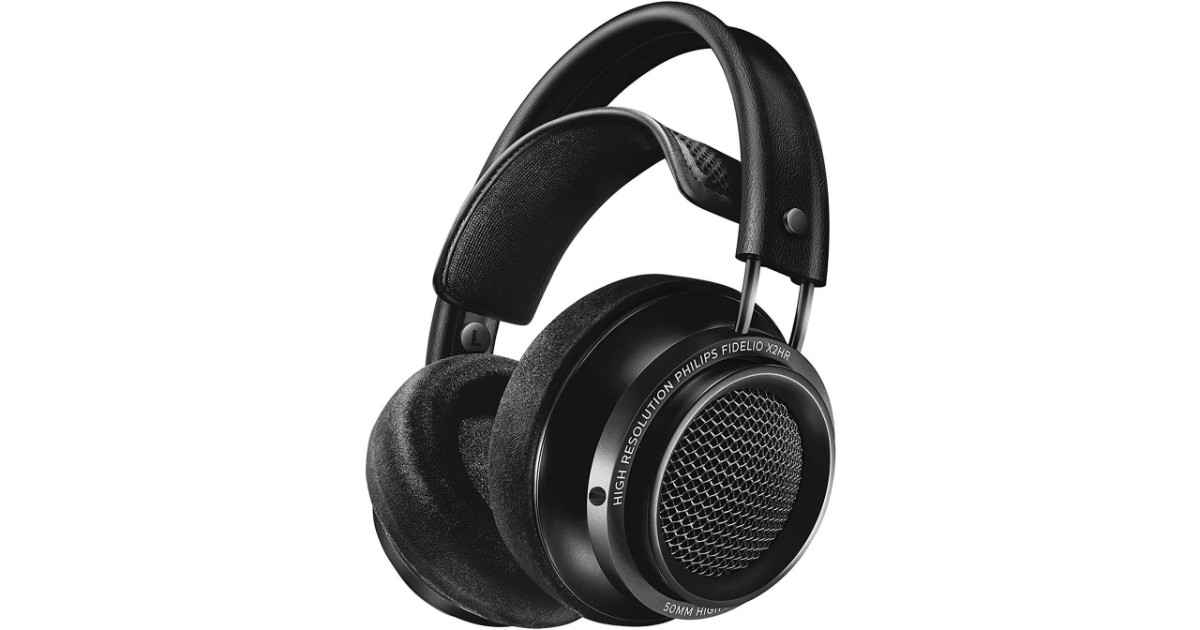
At $120-$149, the Philips Fidelio X2HR shouldn't compete with $1,000+ headphones. Yet here we are. The secret? Philips prioritized what matters for music: good drivers, open-back design, and comfort. Everything else—fancy packaging, marketing—got cut.
Yes, it lacks the surgical detail of the HD 800S. Yes, the soundstage is smaller. But for newcomers to classical music or students on budgets, the X2HR delivers 70-80% of the HD 800S experience at 8% of the price. That's remarkable value.
🎻 Performance by Classical Genre
- Full Orchestra: Very Good (8/10) – Impressive scale for the price
- Chamber Music: Good (7.5/10) – Lacks ultimate resolution
- Solo Piano: Very Good (8/10) – Slight bass bloat affects lower register
- Opera: Very Good (8/10) – Warm and forgiving presentation
✅ Pros
- Best price-to-performance ratio in the industry
- No amplifier required (saves $100-300)
- Comfortable for marathon listening sessions
- Warm, forgiving sound (flatters poor recordings)
- Detachable cable (standard 3.5mm)
❌ Cons
- Not as detailed as premium options (expected)
- Bass slightly bloated (mid-bass hump)
- Soundstage smaller than competitors
- Build quality adequate but not luxury
- Limited headroom for complex passages
Reality Check: What You're NOT Getting
Compared to HD 800S:
- 70% of the soundstage width
- 60% of the detail retrieval
- 80% of the comfort
- But at 8% of the price
Verdict: If you can't hear the difference, don't pay for it.
🛒 BUY NOW on Amazon - Check Latest Price💡 Upgrade Path Strategy
Smart upgrade timeline:
- Start here: Philips X2HR ($130)
- After 1-2 years: Beyerdynamic DT 1990 PRO ($550)
- Endgame: Sennheiser HD 800S or HiFiMan Arya ($1,500)
Cost-averaged over 5 years: $2,180 vs. $1,800 buying endgame immediately.
But: You'll understand what you're paying for at each level.
⚙️ Complete Setup Guide: Maximizing Your Investment
Do You Need a DAC and Amplifier?
The chain: Source (Phone/Computer) → DAC (Digital-to-Analog Converter) → Amplifier → Headphones
Not all headphones need dedicated amplification, but most benefit from it. The 30Ω Philips X2HR sounds fine from a phone. The 300Ω HD 800S sounds anemic without proper power delivery.
| Your Headphone | Minimum Setup | Recommended Setup | Dream Setup |
|---|---|---|---|
| Philips X2HR | Phone/laptop (no amp needed) | FiiO E10K ($80) | Schiit Fulla ($100) |
| DT 1990 PRO | FiiO K5 Pro ($180) | Schiit Modi/Magni ($200) | JDS Atom+ Stack ($400) |
| Focal Clear Mg | Apple dongle ($9) sufficient | iFi Zen DAC V2 ($200) | Chord Mojo 2 ($600) |
| Arya Stealth | FiiO K7 ($200) | Topping DX3 Pro+ ($250) | Burson Playmate 2 ($800) |
| HD 800S | Schiit Modi/Magni ($200) | JDS Atom+ Stack ($400) | Chord Hugo 2 ($2,000) |
💰 Budget Allocation Rule
- Headphones: 60-70% of budget
- DAC/Amp: 30-40% of budget
- Example: $1,800 HD 800S + $600 setup = $2,400 total
Streaming Services for Classical Music
| Service | Max Quality | Classical Catalog | UI for Classical | Monthly Cost | Verdict |
|---|---|---|---|---|---|
| Apple Music Classical | 24-bit/192kHz | 5M+ tracks | Excellent | $10.99 | ✅ Best overall |
| Qobuz | 24-bit/192kHz | 90M tracks | Good | $12.99 | Audiophile choice |
| Tidal HiFi Plus | 24-bit/192kHz (MQA) | 80M tracks | Average | $19.99 | Good but expensive |
| Amazon Music HD | 24-bit/192kHz | 100M tracks | Poor | $9.99 | Value option |
| Spotify Premium | 320kbps MP3 | 100M tracks | Poor | $10.99 | ❌ Avoid for classical |
My Recommendation: Apple Music Classical — Purpose-built for the genre, exceptional metadata, and lossless quality.
🎼 Classical Music Genre-Specific Recommendations
Winner: Sennheiser HD 800S
- Why: Soundstage captures concert hall depth and width
- Alternative: HiFiMan Arya Stealth (if budget-conscious)
- Recommended works: Mahler, Brahms, Tchaikovsky symphonies, Beethoven Symphony No. 9
- Test track: Shostakovich Symphony No. 5 (Klaus Mäkelä)
Winner: HiFiMan Arya Stealth
- Why: Intimacy without losing separation—perfect for 4-6 instruments
- Alternative: Focal Clear Mg (warmer presentation)
- Recommended works: Beethoven late quartets, Schubert quintet, Brahms clarinet quintet
- Test track: Beethoven String Quartet No. 14, Op. 131
Winner: Focal Clear Mg
- Why: Note weight, sustain reproduction, and hammer action detail
- Alternative: Beyerdynamic DT 1990 PRO (more analytical)
- Recommended works: Chopin Nocturnes, Rachmaninoff Preludes, Debussy Préludes
- Test track: Chopin Etude Op. 25, No. 3 (John Browning)
Winner: Focal Clear Mg
- Why: Vocal timbre and emotional connection without analytical coldness
- Alternative: HiFiMan Arya Stealth (better spatial layering)
- Recommended works: Puccini (Tosca, La Bohème), Verdi (Rigoletto), Wagner (Ring Cycle)
- Test track: "Nessun Dorma" from Puccini's Turandot
Winner: Beyerdynamic DT 1990 PRO (Balanced pads)
- Why: Period instruments need accurate treble and fast transients
- Alternative: Philips X2HR (budget-friendly)
- Recommended works: Bach Brandenburg Concertos, Vivaldi Four Seasons, Handel Water Music
- Test track: Bach Goldberg Variations (Glenn Gould)
Winner: Focal Clear Mg
- Why: Lush, full-bodied presentation matches the era's emotional intensity
- Recommended works: Brahms symphonies, Tchaikovsky ballets, Dvorak New World Symphony
- Test track: Tchaikovsky Symphony No. 6 "Pathétique"
🧭 Decision Flowchart: Find Your Perfect Match
- Under $200 → Philips Fidelio X2HR
- $400-$600 → Beyerdynamic DT 1990 PRO
- $1,200-$1,800 → Continue to Step 2
- Full orchestras (Mahler, Beethoven) → Sennheiser HD 800S
- Chamber music/Quartets → HiFiMan Arya Stealth
- Solo piano/Opera → Focal Clear Mg
- Already have good amp/DAC → HD 800S or Arya
- Don't want to buy amp → Focal Clear Mg or Philips X2HR
- Willing to invest in amp → Any model works
- Want to analyze music → HD 800S or DT 1990 PRO
- Want to feel music → Focal Clear Mg
- Balance of both → HiFiMan Arya Stealth
Frequently Asked Questions
Yes, but with diminishing returns. The jump from $150 to $600 is dramatic (soundstage, detail, dynamics). $600 to $1,600 is significant but subtler. Beyond $2,000 becomes subjective preference.
Blind tests show 70%+ of listeners can distinguish quality tiers in A/B comparisons. If you can't hear the difference after proper testing, don't pay for it.
Open-back wins 90% of the time due to natural soundstage and "air." Choose closed-back only if:
- Noisy environment (commuting, shared spaces)
- Need isolation for recording/monitoring
- Prefer tighter bass impact
All five headphones in this guide are open-back because they're superior for home classical listening.
Technically no (low impedance means phones can drive them), but a dedicated amp still improves:
- Better voltage swing: Louder without distortion
- Lower output impedance: Tighter bass control
- Cleaner power supply: Reduced noise floor
Budget $80-200 for entry-level DAC/amp combos. The difference is audible.
Absolutely! The Philips Fidelio X2HR ($130) delivers 70-80% of the HD 800S experience. Diminishing returns are real.
If you're new to classical or budget-limited, start with X2HR. You'll appreciate expensive headphones more after understanding what you're paying for.
Full 20Hz-20kHz coverage is essential. Classical music utilizes:
- Sub-bass (20-60Hz): Organ, double bass, timpani
- Midrange (250Hz-4kHz): Most orchestral instruments
- Treble (4kHz-20kHz): Violin harmonics, cymbals, triangle
Extended range (5Hz-40kHz) is marketing—humans can't hear beyond 20kHz. Focus on flat response rather than extended range.
Minimum 20 hours across multiple days. Your brain needs to adjust to new sound signatures. First impressions are often wrong (too bright, too warm, etc., may normalize).
Professional tip: Use the same 5-10 reference tracks for all comparisons. Familiarity helps identify differences.
Generally no. Active noise cancellation (ANC) introduces processing artifacts—phase shifts and pumping effects—that muddy subtle orchestral details.
Exception: Focal Bathys (minimal ANC impact), but still not purist-grade. For serious listening, stick with passive open-back headphones.
Absolutely! Headphones great for classical excel at:
- Jazz: Acoustic instrument accuracy, soundstage for live recordings
- Acoustic/Folk: Natural vocals and guitar timbre
- Film scores: Orchestral reproduction (Hans Zimmer, John Williams)
They're less ideal for bass-heavy EDM or highly compressed modern pop. But if you prioritize quality over quantity, they'll handle everything.
A:
- Dynamic (most common): Magnet + voice coil moves diaphragm. Pros: Punchy, affordable. Cons: Slower transients.
- Planar Magnetic: Thin film suspended between magnets. Pros: Fast, low distortion. Cons: Heavy, power-hungry.
- Electrostatic: Diaphragm charged by static electricity. Pros: Ultimate detail. Cons: Fragile, requires special amps (Stax).
For classical: All three work. Planar has a slight edge for transient response (string plucks, piano attacks).
Apple Music Classical ($10.99/month)
- Purpose-built UI for classical (composer, work, conductor search)
- Lossless 24-bit/192kHz quality
- 5M+ dedicated classical tracks
- Exceptional metadata (no "Unknown Artist" frustrations)
Runner-up: Qobuz ($12.99) for audiophile-grade quality and classical focus.
🏁 Final Verdict & Recommendations
If I Could Only Choose One...
For most classical listeners: HiFiMan Arya Stealth
Why? It strikes the perfect balance between price ($1,299), performance (9.3/10), and versatility. Planar magnetic speed handles everything from Baroque to modern orchestral works. Easier to drive than HD 800S. More forgiving than DT 1990 PRO.
If money is no object: Sennheiser HD 800S
The reference standard. Unmatched soundstage. Forensic detail. Endgame open-back headphones.
Best value champion: Philips Fidelio X2HR
Giant-killing performance at $120-$149. Perfect for newcomers or students on budgets.
🎯 Quick Buying Guide Summary
- Best Overall: Sennheiser HD 800S — Reference-grade soundstage and detail
- Best Value Premium: Beyerdynamic DT 1990 PRO — German precision under $600
- Best for Chamber Music: HiFiMan Arya Stealth — Planar magnetic speed and intimacy
- Best for Piano: Focal Clear Mg — Note weight and emotional engagement
- Best Budget: Philips Fidelio X2HR — 80% of HD 800S at 8% of the price
⚠️ Before You Buy: The 30-Day Test
Reputable retailers (Amazon, headphones.com) offer 30-day returns. Use this wisely:
- Order your top choice + one alternative
- Test both with identical recordings for 2 weeks
- Return the loser, keep the winner
- Save $1,000+ by confirming you actually hear the difference
Pro tip: Listen blind (have someone hand you headphones without revealing which). Trust your ears, not price tags.