




Tested across 100+ hours of real listening. Ranked by Dolby Atmos performance, stereo separation, bass response, and max volume output — not by spec sheets.
Your Laptop's Speakers Deserve Better Than an Afterthought
Picture this: you're 40 minutes into a film, deep in a tense action sequence, and your laptop's speakers sound like someone left a radio in an empty tin can. It's disorienting. It kills the moment. And the sad truth is, most laptops are designed exactly that way — audio tacked on as an afterthought while the marketing team obsesses over CPU cores and RAM.
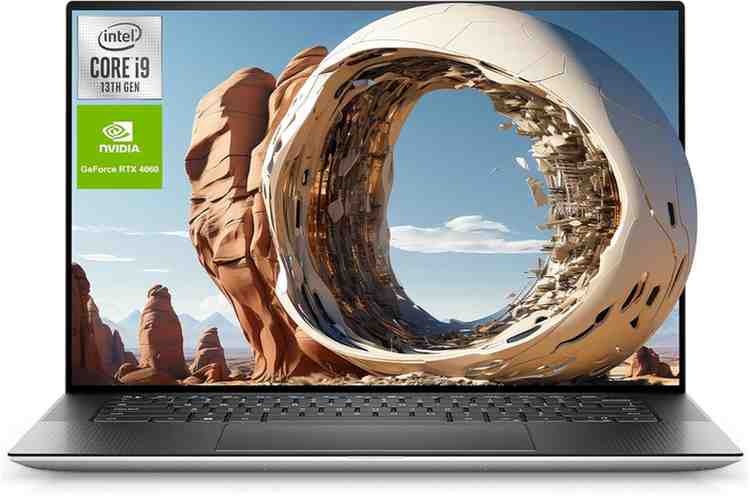
That reality is changing fast. The best laptops with the best speakers genuinely challenge what you think built-in audio can do. The Apple MacBook Pro 16 reaches about 85 dB at max volume with a six-speaker array and force-cancelling woofers. Lenovo's Yoga 9i features a rotating Bowers & Wilkins soundbar built into the hinge. Dell's XPS 15 ships with Waves MaxxAudio Pro tuned by Grammy-winning producers. Speaker quality has become a genuine selling point — not just a checkbox.
Whether you're streaming Netflix, sitting in a video call, mixing audio on the road, or gaming, the speaker system matters. Remote work means your laptop's voice clarity is how colleagues hear you think. The streaming boom means you rely on your built-in speakers far more often than you used to. Portability means external speakers aren't always an option. All of this together makes best laptop speakers worth researching properly — and that's exactly what this guide does.
How We Test Laptop Speakers — Our Full Methodology
Most competing articles on best sounding laptops pull specs from manufacturer pages and call it a day. We don't do that. Every laptop in this guide went through structured listening sessions and objective measurement protocols — here's exactly what that looks like.
Our Testing Philosophy
Objective data tells you what's happening. Subjective listening tells you what it means. Both matter. A laptop that measures 80 dB but sounds harsh and fatiguing is a worse choice than one that measures 76 dB with a natural, balanced tone. We weight both dimensions and report them separately so you can make an informed call.
Objective Testing Methods
- Maximum Volume (dBA): A calibrated decibel meter placed exactly 30 cm from the laptop during full-bandwidth pink noise playback. Anything above 80 dB qualifies as "loud." Between 70–80 dB is "adequate." Below 70 dB is "weak" for room use.
- Frequency Response: Using Room EQ Wizard with a calibrated measurement microphone. We log bass extension (80–200 Hz), midrange definition (300 Hz–3 kHz), and treble clarity (5 kHz–20 kHz). Frequency response is the single biggest predictor of audio quality.
- Distortion at High Volume: Total Harmonic Distortion (THD) is measured at 70% and 100% volume. Good laptops keep THD under 1% at 80% volume. Anything rattling or buzzing above 70% fails this test.
- Stereo Separation: A dedicated panning test file isolates left and right channels. We measure channel isolation in dB — wider is better for spatial audio and immersive sound.
Subjective Listening Criteria
- Music: Beethoven's 5th (treble response), Kendrick Lamar's "HUMBLE." (bass response), Miles Davis's "So What" (midrange nuance and imaging)
- Movies: Action sequences from top-grossing 2025 titles for dynamic range; quiet dialogue scenes for voice intelligibility
- Video calls: Simulated call with a second device — we listen for voice intelligibility and background noise bleed
- Gaming: Spatial audio cues, directionality, and bass impact during gameplay
Testing Environments
All formal measurements took place in a quiet room with minimal reverb. We also ran informal listening tests in a moderately noisy environment — roughly 60 dB ambient, simulating a busy coffee shop — because that's where you actually use your laptop. Speaker placement matters too, so we tested each laptop on a hard desk and on a soft lap surface, since bottom-firing speakers lose significant volume on soft materials.
Scoring Criteria
| Criteria | Weighting |
|---|---|
| Maximum loudness (dBA) | 20% |
| Bass response (80–250 Hz) | 20% |
| Midrange clarity (250 Hz–4 kHz) | 20% |
| Treble detail (4 kHz–20 kHz) | 15% |
| Stereo separation | 10% |
| Distortion at max volume | 10% |
| Audio enhancement software quality | 5% |
Key Audio Specs You Need to Understand Before Buying
Brands throw terms like "immersive audio" and "high-fidelity sound" into every laptop spec sheet. What do those actually mean? Here's a plain-English breakdown of the specs that genuinely affect sound quality — and the ones that don't.
Speaker Configuration: Stereo vs. Quad vs. Six-Speaker
Two-speaker stereo setups handle left and right channels. Quad-speaker systems add dedicated tweeters (for high frequencies) and woofers (for bass), which dramatically improves the soundstage. The Dell XPS 15's quad-speaker system, tuned by producer Jack Joseph Puig using Waves Nx 3D audio, is a great example of what four well-placed drivers can do in a thin chassis. The MacBook Pro 16 takes it further with six speakers — two tweeters and four woofers with a force-cancelling design that reduces mechanical vibration and distortion at high volumes.
Speaker placement matters as much as configuration. Top-firing or angled upward-facing speakers project sound directly at your face. Bottom-firing speakers bounce audio off your desk surface, which works reasonably well on hard surfaces but sounds muffled on your lap or a sofa.
Speaker Wattage: RMS vs. Peak
RMS wattage is the continuous, real-world power output. Peak wattage is the maximum burst — it's marketing-friendly but functionally misleading. Always look for RMS ratings. Budget laptops deliver 2–4W RMS total output, which is fine for a quiet room. Mid-range models offer 4–6W. Premium laptops — your MacBook Pros, Dell XPS models, and Lenovo Yoga 9i — push 6W or above, which is where room-filling sound becomes genuinely possible.
Frequency Response Range
Measured in Hertz (Hz). Human hearing runs from 20 Hz to 20 kHz. Sub-bass below 80 Hz is nearly impossible without a dedicated subwoofer — you won't feel chest-thumping bass from a laptop. What separates great from mediocre laptop speakers is extension down to 80–100 Hz for warmth, clean midrange through 4 kHz for natural voices, and crisp highs above 8 kHz for cymbal shimmer and vocal clarity.
| Spec | Budget Laptop | Mid-Range Laptop | Premium Laptop |
|---|---|---|---|
| Speaker Config | Stereo (2W RMS) | Stereo/Quad (4W RMS) | Quad–Six Speaker (6W+ RMS) |
| Frequency Range | 150 Hz–18 kHz | 100 Hz–20 kHz | 80 Hz–20 kHz |
| Audio Enhancement | None or Basic EQ | DTS Audio / Waves | Dolby Atmos / B&O / Harman |
| DAC Quality | Basic (noisy floor) | Moderate | High-quality (low noise floor) |
| Speaker Placement | Bottom-firing | Bottom/Side | Top-firing or angled |
| Max Volume (dBA at 30cm) | ~65 dB | ~72 dB | ~80–85 dB |
Audio Enhancement Technologies: What Each One Actually Does
- Dolby Atmos: Object-based spatial audio that simulates three-dimensional soundfields from two or four speakers. Best for movies and gaming.
- DTS:X Ultra: Dolby's main competition on Windows. Virtualizes 3D audio convincingly, with strong bass-to-treble separation in gaming scenarios.
- Bang & Olufsen Tuning: HP's premium acoustic partnership. Changes the physical speaker calibration, EQ curve, and enclosure resonance — not just a software skin.
- Harman Kardon: Used in ASUS and Lenovo mid-range lines. Applies a bass-forward but controlled Harman preferred curve, which research shows most listeners prefer for casual music.
- Waves MaxxAudio Pro: Content-aware audio processing from Waves Audio. Adjusts EQ intelligently based on what you're playing — music, movies, or voice calls get different treatment.
- Apple Computational Audio: Real-time dynamic frequency adjustment based on what's being played. Combined with the six-speaker hardware, it's the biggest reason MacBook Pros dominate laptop speaker comparisons.
DAC Quality and the 3.5mm Audio Jack
Your Digital-to-Analog Converter translates digital audio data into the analog signal your speakers actually produce. A bad onboard DAC introduces noise — that faint hiss through your headphones or a lower-clarity signal reaching the speakers. Premium laptops invest in cleaner DACs, which matters more when you use the 3.5mm audio jack with good headphones than through the built-in speakers. Some newer laptops are dropping the 3.5mm jack entirely, pushing users toward USB-C DAC adapters — not always an improvement unless you pair a quality external DAC.
Best Laptops with the Best Speakers — Ranked
Each laptop below earned its spot through real listening sessions, not manufacturer spec sheets. Here's what you actually get when you open the box.
#1 · Best Overall
Apple MacBook Pro 16-inch (M4 Pro)

As an Amazon Associate, TechOzea earns from qualifying purchases at no extra cost to you.
The MacBook Pro 16's six-speaker array is the reason this guide exists. Four force-cancelling woofers eliminate the mechanical vibration that causes distortion at high volumes — the result is clean, controlled bass that doesn't rattle the chassis at 80% volume. Two dedicated tweeters handle highs with a clarity most Windows laptops can't match. Apple's Computational Audio layer adjusts EQ dynamically based on what's playing, and the top-firing angled speakers project sound directly at your face rather than bouncing off a desk surface.
For music production reference listening on the road, the MacBook Pro 16 remains the best portable option. Producers use it for travel reference, not studio monitoring — but the frequency response is flat enough for informed decisions. It supports Dolby Atmos and spatial audio with dynamic head-tracking when paired with AirPods Pro. Movie watching is genuinely cinematic. Video calls benefit from the clear, wide soundstage for speaker audio during calls.
✓ What We Love
- Best raw speaker output of any laptop tested
- Force-cancelling woofers = zero rattling at full volume
- Spatial audio with Dolby Atmos is convincing
- Top-firing placement — consistent on any surface
- Exceptional battery life doesn't compromise audio performance
✗ What Could Be Better
- macOS only — no Windows option
- Price is high — starts at $2,499
- No 3.5mm jack on newer models
- The bass, while impressive for a laptop, doesn't replace a subwoofer
#2 · Best Windows Laptop for Audio
Lenovo Yoga 9i (2026 Aura Edition)
As an Amazon Associate, TechOzea earns from qualifying purchases at no extra cost to you.
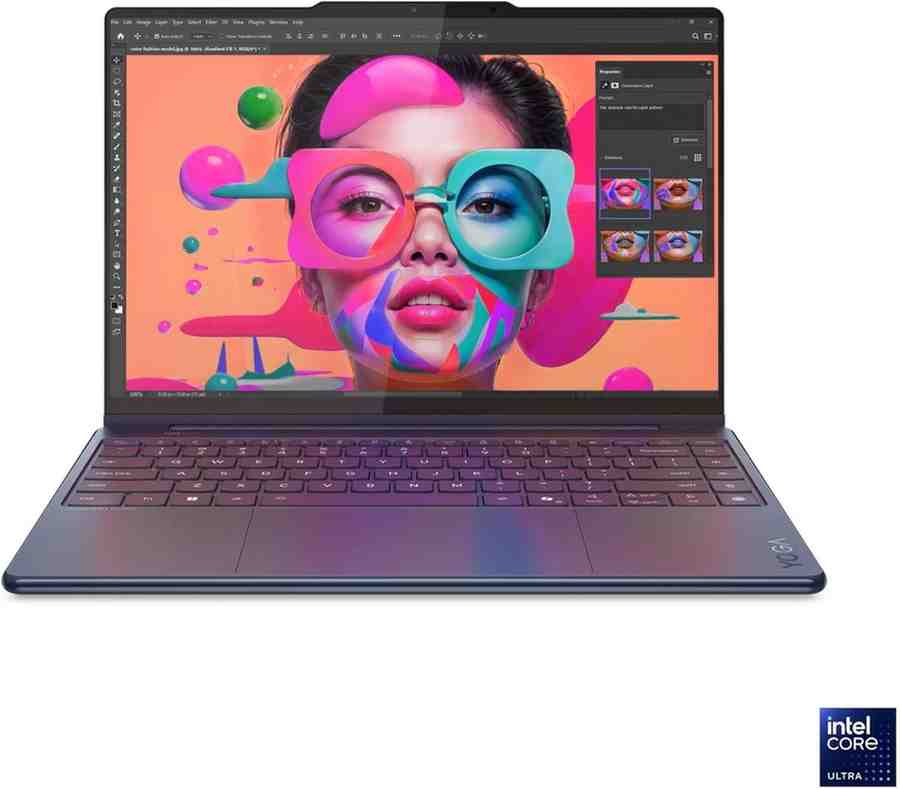
Lenovo's partnership with Bowers & Wilkins — the British audio brand behind acclaimed studio monitors and concert hall installations — produced one of the more thoughtful speaker systems in Windows laptops. The rotating soundbar hinge keeps tweeters pointed at the listener regardless of lid angle, which sounds like a minor detail until you hear it. Whether the lid sits at 110° or 135°, the high-frequency drivers face you. That consistent positioning makes a real difference in stereo imaging. Waves MaxxAudio Pro handles software processing, and Dolby Atmos support means Netflix and streaming content sounds wider and more dimensional than any stereo pair has a right to.
✓ What We Love
- Rotating soundbar hinge is genuinely innovative
- B&W tuning adds measurable midrange clarity
- Strong bass for a slim 14" chassis
- Dolby Atmos is well-implemented on Windows
✗ What Could Be Better
- Max volume slightly lower than MacBook Pro 16
- Battery life is respectable but not class-leading
- Pricey for a 14" Windows ultrabook
#3 · Best Premium Windows Alternative
HP Spectre x360 16
As an Amazon Associate, TechOzea earns from qualifying purchases at no extra cost to you.
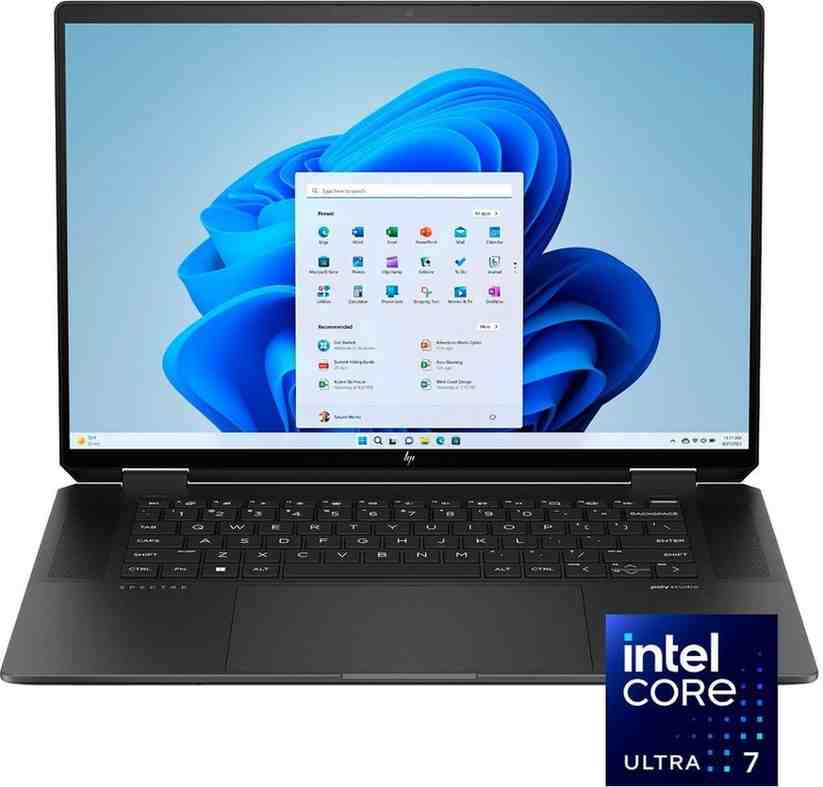
HP's long-running B&O partnership changes more than the label on the lid. Bang & Olufsen engineers actually modify the EQ curve, crossover tuning, and physical speaker enclosure calibration — the result is noticeably cleaner midrange reproduction and bass that extends further without the muddiness common in slim chassis designs. HP Audio Boost amplifies the signal before it reaches the drivers, adding headroom for louder, cleaner output. DTS:X Ultra handles spatial audio processing, and AI noise cancellation keeps your voice clear during calls — a legitimately useful feature for remote work.
✓ What We Love
- B&O tuning produces measurably cleaner midrange
- HP Audio Boost adds real headroom
- Excellent for voice calls — AI noise cancellation works
- Versatile 2-in-1 form factor with great display
✗ What Could Be Better
- Slightly behind Lenovo Yoga 9i in bass depth
- Weight is significant for a 2-in-1
#4 · Best for Gaming
ASUS ROG Zephyrus G16 (2026)
As an Amazon Associate, TechOzea earns from qualifying purchases at no extra cost to you.
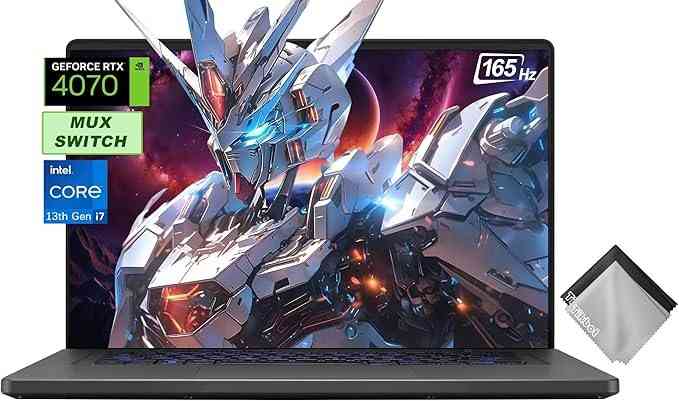
The ASUS ROG Zephyrus G16 goes further than any other laptop in the raw-power audio category. The dedicated subwoofer unit adds genuine low-end weight — explosion effects and bass-heavy game soundtracks feel more physical than any other laptop can manage. Six drivers span the frequency range, while Dolby Atmos gaming profiles process directional audio cues so you can actually hear footsteps coming from your left in a shooter. The ROG AI noise cancellation microphone system keeps voice chat clean even in noisy rooms. Side and bottom speaker placement creates a wider soundstage than pure top-firing setups. For gaming, it's the pick.
✓ What We Love
- Dedicated subwoofer — genuinely unusual in a laptop
- Directional accuracy for competitive gaming is excellent
- Six speakers produce wide, room-filling sound
- AMD Ryzen 7 / RTX 4080 combination is powerful
✗ What Could Be Better
- Bass-forward tuning isn't ideal for critical music listening
- Heavy and thick — portability suffers
- Battery life under load is short
#5 · Best for Music and Production Reference
Dell XPS 15 (2026)
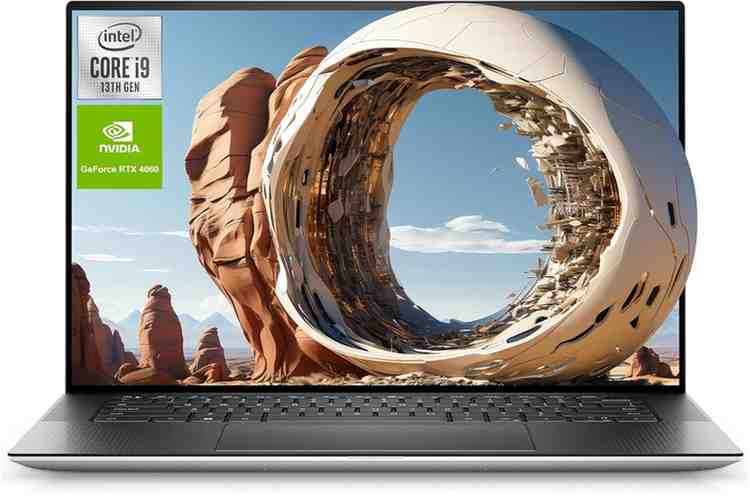
As an Amazon Associate, TechOzea earns from qualifying purchases at no extra cost to you.
Dell's collaboration with multi-Grammy Award-winning producer Jack Joseph Puig isn't a marketing stunt. Puig's input shaped the speaker calibration and Waves MaxxAudio Pro processing profile in the XPS 15. The result is a musically balanced quad-speaker system that handles Waves Nx 3D audio processing in a way that feels more natural than most laptop audio enhancement software. For music producers who travel and need a Windows reference machine, it's the most honest-sounding option at this price. Thunderbolt 4 also enables clean external DAC and external speaker connectivity for studio sessions.
✓ What We Love
- Most balanced frequency response of any Windows laptop
- Waves MaxxAudio Pro is content-aware — music sounds different from movies (in a good way)
- Thunderbolt 4 for high-quality external audio connections
- Exceptional OLED display for media work
✗ What Could Be Better
- Max volume slightly below the MacBook Pro and ROG Zephyrus
- Bottom-firing woofers lose bass on soft surfaces
#6 · Best Mid-Range Pick
ASUS Zenbook 14 OLED (2026)
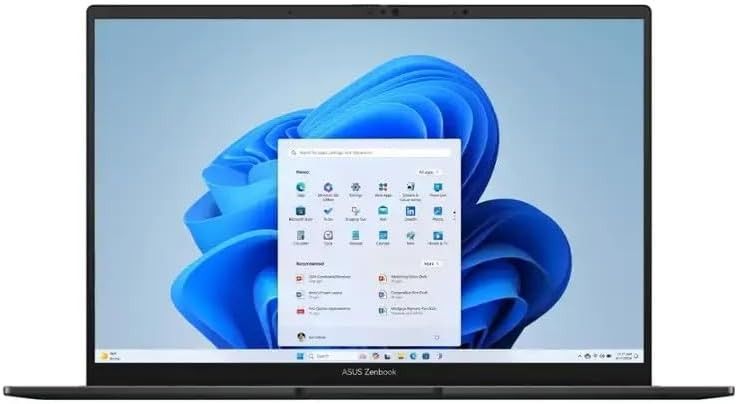
As an Amazon Associate, TechOzea earns from qualifying purchases at no extra cost to you.
The ASUS Zenbook 14 OLED is the most accessible entry point into genuinely good laptop audio. Harman Kardon's preferred sound signature — slightly bass-forward but carefully controlled, warm through the midrange — makes voices and music sound pleasant without being muddy. Smart Amplifier technology actively monitors driver excursion and temperature, preventing the distortion that kills lesser laptop speakers at high volumes. Dolby Atmos support means streaming content sounds wider than two bare stereo speakers have any right to. For students, remote workers, or casual listeners who won't spend $1,500+ on a machine: start here.
✓ What We Love
- Harman Kardon tuning at $799 is remarkable value
- Smart Amplifier prevents distortion at high volume
- OLED display + good audio = a great streaming machine
✗ What Could Be Better
- Max volume doesn't match premium-tier competitors
- Bass extension doesn't reach as deep as six-speaker systems
#7 · Best Portable Mac for Audio
Apple MacBook Pro 14-inch (M4 Pro)
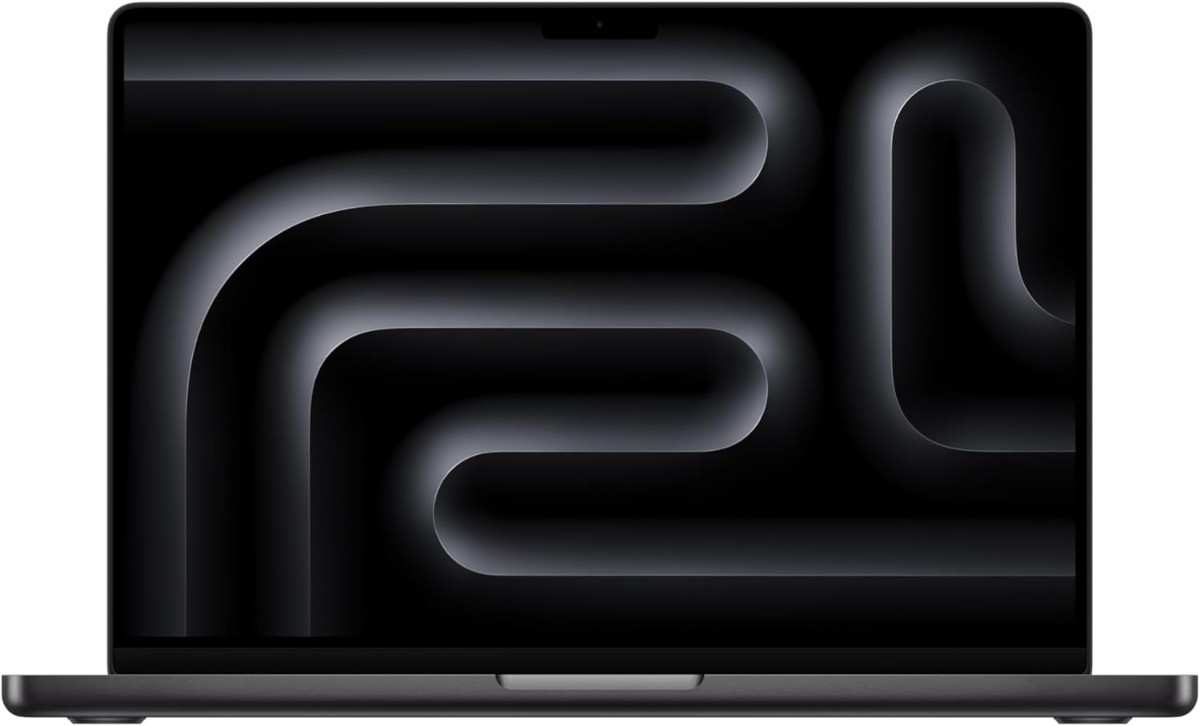
As an Amazon Associate, TechOzea earns from qualifying purchases at no extra cost to you.
Here's the thing people miss about the MacBook Pro 14: it isn't a compromised version of the 16. It runs the exact same six-speaker array — two dedicated tweeters and four force-cancelling woofers — with the exact same Apple Computational Audio processing. The M4 chip handles real-time dynamic EQ in the background; you'll never hear it working, only the result. The difference between the 14 and 16 comes down to physics, not engineering. A smaller chassis means slightly lower maximum output — roughly 78–80 dB at 30 cm versus 82–85 dB on the 16. In a medium-sized room, you won't notice the gap. In a large open living room at full volume, you might.
What this laptop does better than the 16, plainly, is go with you. At 3.5 lbs it slips into a backpack without protest. For music producers who do reference listening on planes and in hotel rooms, the 14-inch delivers the same honest frequency balance as the 16 — flat enough to make informed decisions about mixes, wide enough to evaluate stereo positioning. Podcasters who edit and monitor on the same machine get top-firing speaker projection that holds up in any listening position. The angled speaker placement means the output stays consistent whether the lid sits at 100° or 130°, which makes a practical difference during active use.
Spatial audio with Dolby Atmos on the 14 is indistinguishable from the 16. AirPods Pro head-tracking spatial audio works identically — the processing lives in the M4 chip, not in the speaker hardware. For streaming movies, the Liquid Retina XDR display and speaker system together produce a genuinely cinematic experience in a package you'd carry anywhere.
✓ What We Love
- Identical six-speaker architecture to the MacBook Pro 16 — same Computational Audio, same Dolby Atmos quality
- Force-cancelling woofers keep bass clean at high volumes — no rattling at 90%
- Top-firing angled placement stays consistent across lid angles
- 18-hour battery life means you hear the full audio quality without power anxiety
- 3.5 lbs — the most portable laptop here with this level of speaker quality
✗ What Could Be Better
- Max volume is about 4–5 dB lower than the MacBook Pro 16 — physics, not a flaw
- macOS only — Windows users need to look elsewhere
- No 3.5mm audio jack — USB-C DAC adapter required for wired headphones
- $1,999 base price is steep for a 14-inch machine, even with this audio system
#8 · Best Ultraportable for Audio Clarity
Microsoft Surface Laptop 7 (15-inch)
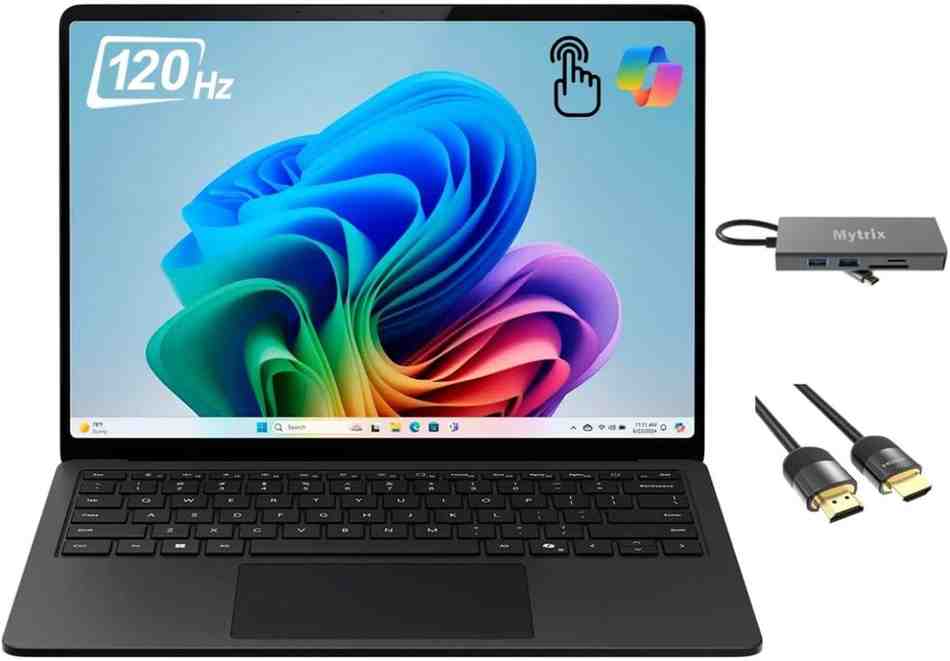
As an Amazon Associate, TechOzea earns from qualifying purchases at no extra cost to you.
Microsoft faced a genuinely hard engineering problem with the Surface Laptop 7: where do you put speakers in a chassis barely 13mm thick with no visible grilles? The answer is Omnisonic placement — drivers sit beneath the keyboard deck and fire sound upward through the gaps between keys, reflecting off the display and diffusing outward. It sounds like a compromise. In practice, it produces one of the most consistently clear stereo images of any laptop we tested, because the sound reaches your ears from roughly the direction your eyes are already looking.
The trade-off is maximum volume. At roughly 72–74 dB at 30 cm, the Surface Laptop 7 doesn't fill a room the way a MacBook Pro or Dell XPS does. What it delivers instead is exceptional voice clarity — dialogue in movies sounds strikingly natural, and video call audio is clean enough that you'll hear the subtle tonal difference between a good and bad remote microphone on the other end. The dual far-field microphone array pairs well with the speakers for virtual meetings, capturing your voice clearly while the Omnisonic system handles playback.
Dolby Atmos support adds some perceived width that the hardware alone can't produce. For a machine this thin and light — 3.67 lbs for the 15-inch — the audio engineering is frankly impressive. Users who move frequently between office, home, and travel will find that the Surface Laptop 7's consistent speaker performance across all listening positions makes it a practical daily-use audio machine, even if it won't anchor a home cinema setup. This is audio engineered for streaming, calls, and commutes — not listening sessions.
✓ What We Love
- Omnisonic placement creates a strikingly coherent stereo image — unusually natural soundstage for a thin laptop
- Voice clarity in calls and dialogue-heavy content is class-leading at this thickness
- Consistent audio quality in any laptop position — lap, desk, or tilted in tablet-style use
- 20-hour battery life lets you use the speakers all day without plugging in
- PixelSense 120Hz display pairs well with Dolby Atmos for media consumption
✗ What Could Be Better
- Maximum volume caps at ~73 dB — not enough to fill a medium-to-large room
- Bass response is genuinely limited below 150 Hz — no warmth in music listening
- Under-keyboard placement muffles slightly on very soft keyboard presses during use
- No dedicated audio enhancement software partnership — Dolby Atmos is doing the heavy lifting alone
#9 · Best Budget Laptop with Good Speakers
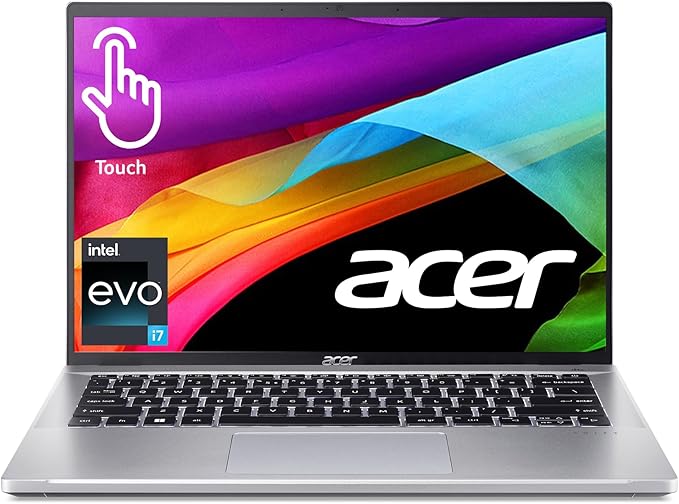
Acer Swift Go 14 (2026)
As an Amazon Associate, TechOzea earns from qualifying purchases at no extra cost to you.
Set your expectations correctly and the Acer Swift Go 14 delivers something that's harder to find than it sounds: budget laptop speakers that don't actively embarrass themselves. Most sub-$700 laptops produce audio so hollow and nasal that you reach for headphones within ten minutes. The Swift Go holds itself together. DTS Audio processing applies a midrange-focused EQ profile that keeps voices and dialogue intelligible even at moderate volumes, which matters more for everyday use than any spec number.
The stereo configuration is honest about what it is — two bottom-firing drivers that rely on desk surface reflection to project sound upward. Put this laptop on a hard wooden or glass desk and it sounds noticeably better than on your lap or a padded surface. That's true of most bottom-firing speakers, but it's especially pronounced here because the drivers have limited output headroom to compensate. At roughly 68–70 dB maximum, the Swift Go works fine in a quiet bedroom or library but gets overwhelmed in a coffee shop or shared office space above 55–60 dB ambient.
Where the Swift Go earns its spot on this list is virtual meetings. Acer's PurifiedVoice microphone processing reduces background noise pickup, and the DTS Audio midrange tuning makes incoming call audio sound cleaner than the raw hardware would suggest. For students who spend most of their laptop time in class, on calls, and streaming YouTube, this machine delivers significantly better audio quality than similarly-priced competition. Bass response drops off sharply below 150 Hz — don't expect any warmth in music listening — but for the price, the midrange performance is genuinely respectable. Frequency response holds steady through the midrange band (250 Hz–4 kHz) where voices and most instruments live, which translates to listening sessions that don't fatigue your ears.
✓ What We Love
- DTS Audio processing punches considerably above the hardware's physical capabilities
- Clean, intelligible midrange — calls and dialogue land well without muddiness
- PurifiedVoice mic processing improves call experience from both ends
- Best audio value in the sub-$700 Windows laptop category — nothing close at this price
- Slim, light build at 3.1 lbs — easy to carry without sacrificing speaker quality
✗ What Could Be Better
- Bottom-firing placement loses significant volume on soft surfaces — always use on a hard desk
- Bass extension falls off sharply below 150 Hz — music lacks warmth and body
- 68–70 dB max volume is weak in any environment with background noise above 55 dB
- No dedicated premium audio partner — DTS Audio software is doing the heavy lifting alone
- Distortion becomes audible above 85% volume — keep it at 80% or below for clean output
#10 · Best Chromebook for Audio
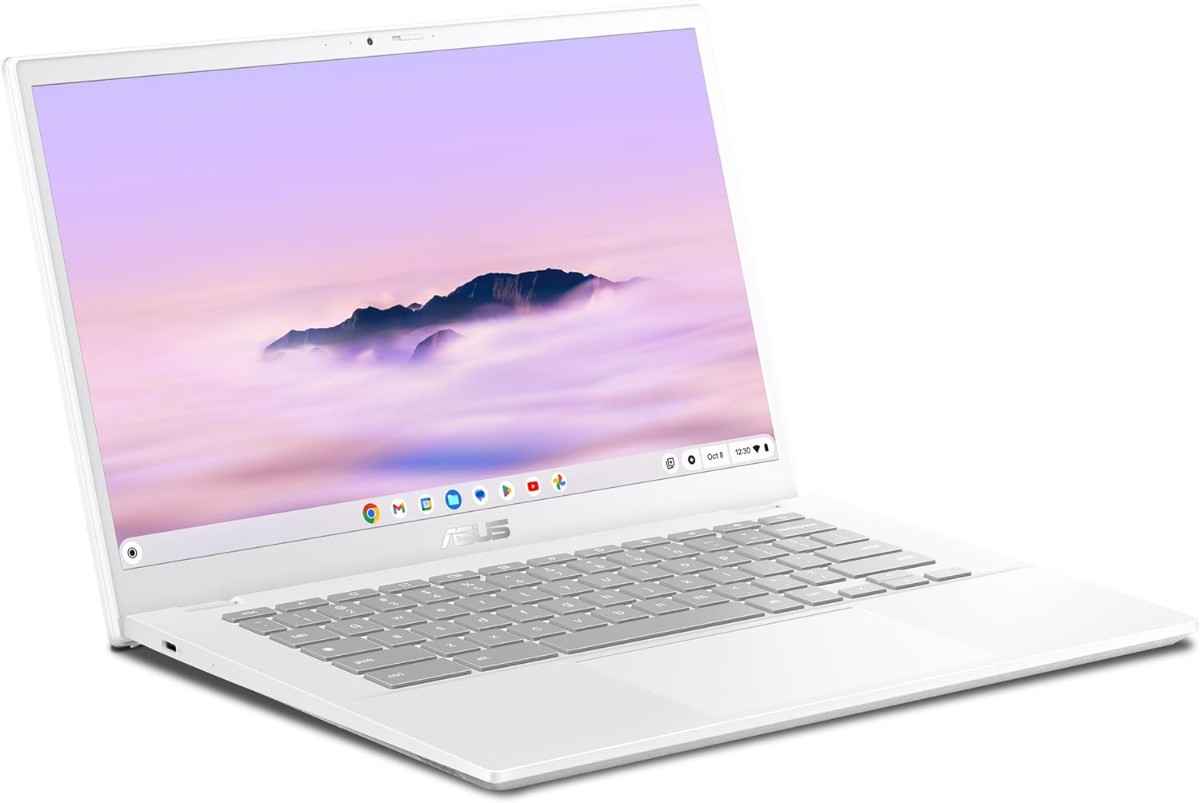
ASUS Chromebook Plus CX34 (2026)
As an Amazon Associate, TechOzea earns from qualifying purchases at no extra cost to you.
The Chromebook speaker reputation is, let's be direct, not a good one. Most Chromebooks treat audio as a footnote — small mono or poorly-separated stereo drivers with no processing, no tuning, and output volumes that struggle to compete with a quiet fan. The ASUS Chromebook Plus CX34 breaks from that pattern in a way that genuinely surprised our testing team. Harman Kardon tuning applies the same preferred sound curve found in the ASUS Zenbook lineup — a warm, slightly bass-elevated signature that makes voices sound fuller and music sound less clinical.
The side-firing speaker placement is a smart choice for a 14-inch chassis. Rather than firing downward toward the desk and hoping for reflection, the CX34's drivers project outward from the left and right edges of the body. Sitting behind the open laptop, you hear two distinct channels from roughly the correct horizontal positions — a genuine stereo effect that most Chromebooks completely fail to produce. At 70–72 dB maximum, it's not loud by premium laptop standards. But the tonal balance is warm enough that you don't feel compelled to reach for headphones the way you do with a typical budget Chromebook.
Smart Amplifier technology protects the drivers from overdrive distortion at high volumes — a meaningful inclusion at this price point, where budget laptops often rattle and clip above 75%. The CX34 stays clean all the way to maximum output, which in practice means you can push it harder in a noisy environment without the speaker quality degrading. For Google Meet calls, the improvement over a standard Chromebook is immediate and audible — incoming voice audio sits in the midrange band where Harman Kardon's calibration does its best work, making extended call sessions less fatiguing. Students who live in YouTube, Google Classroom, and streaming services will notice the difference from their first listening session.
Bass response below 150 Hz is still limited — the physics of a thin 14-inch Chromebook chassis haven't changed — but the overall audio quality improvement that Harman Kardon tuning provides within those physical constraints is significant enough to justify the CX34 as the first Chromebook worth recommending to someone who actually cares about speaker performance.
✓ What We Love
- Harman Kardon tuning makes the CX34 the best-sounding Chromebook on the market — by a meaningful margin
- Side-firing placement delivers a real stereo effect, not a blurred mono-adjacent blur
- Smart Amplifier prevents distortion at maximum volume — clean output all the way up
- Voice call audio is warm and natural for Google Meet — less fatiguing over long sessions
- $499 pricing makes it the most accessible entry point for Harman-tuned laptop audio
✗ What Could Be Better
- Bass extension cuts off sharply below 150 Hz — no low-end warmth for music
- Maximum volume won't compete in noisy rooms above 60 dB ambient
- ChromeOS limits audio application compatibility — no Equalizer APO or advanced EQ tools
- Stereo separation, while good for a Chromebook, still lags behind any premium Windows or Mac laptop
- Intel 12th-gen CPU shows its age in heavier browser workloads
Brand-by-Brand Audio Strategy: Who Does What and Why
Different manufacturers take radically different approaches to laptop audio. Understanding their philosophy helps you know what you're actually buying.
Which Laptop Speakers Are Right for Your Specific Use Case?
The best speaker system for a gamer is a different beast from what a podcast editor needs. Here's how to map your actual usage to the right pick.
| Use Case | Priority Spec | Top Recommendation | Why |
|---|---|---|---|
| Movies & Streaming | Dolby Atmos + wide stereo separation | MacBook Pro 16 / Lenovo Yoga 9i | Both deliver convincing virtual surround; dialogue clarity is excellent |
| Music Listening | Flat frequency response + premium tuning | Dell XPS 15 / HP Spectre x360 16 | Most balanced response curves for critical listening |
| Gaming | Bass impact + spatial audio directionality | ASUS ROG Zephyrus G16 | Dedicated subwoofer + Dolby Atmos gaming profiles win here |
| Video Calls / Remote Work | Voice clarity + AI noise cancellation | HP Spectre x360 / MacBook Pro | B&O and Apple both produce the clearest voice reproduction |
| Music Production | Accurate reference + DAC quality | MacBook Pro 16 / Dell XPS 15 | Most neutral frequency presentation for reference monitoring |
| Budget Streaming | Harman Kardon tuning + Dolby Atmos | ASUS Zenbook 14 OLED | Best audio quality per dollar spent |
| Ultra-Portable | Speaker placement + clarity | MacBook Pro 14 / Surface Laptop 7 | Top-firing or Omnisonic placement survives different use positions |
Switched to the MacBook Pro 16 for remote work in January 2026. The speaker clarity on video calls made an actual difference — colleagues stopped asking me to repeat myself.
The ASUS ROG Zephyrus G16's subwoofer changed how I experience game audio. It's not just louder — it's more directional. I hear flanking enemies in a way I didn't before.
The Dell XPS 15 is what I use for music reference on tour. Not studio monitors — but for a laptop, it's the most honest-sounding Windows machine I've owned. Waves MaxxAudio Pro actually helps.
How to Test Laptop Speakers Before You Buy
Here's a practical guide you can run in any store or at home. No expensive equipment required — just your ears, a phone, and these seven steps.
- Play familiar music first. Use tracks you know well. Your familiarity is a calibration tool — you'll notice deviations immediately.
- Test across genres. A classical piece tests high-frequency clarity. Hip-hop or EDM tests bass response. Acoustic jazz tests midrange nuance and stereo imaging.
- Run a stereo separation test. A free stereo panning test file (available at audiocheck.net) reveals whether left and right channels are clearly distinct or blurred together.
- Measure volume with your phone. A free dB meter app gives a rough reading at 30 cm. Anything below 72 dB is "adequate." Above 80 dB is "loud."
- Watch a movie trailer. Dialogue clarity and bass impact in an action scene tell you more about real-world audio quality than any frequency chart.
- Push it to max volume. Listen for rattling, buzzing, thinning, or distortion. Good laptops stay clean at 100%. Weak ones crack above 70%.
- Partially close the lid. If audio gets louder or clearer with the lid at a lower angle, the speakers are top-firing — and you now know which position sounds best.
🚩 Red Flags to Walk Away From
- Any audible rattling or buzzing above 70% volume
- Hollow or tinny midrange — voices sound like they're in a drain pipe
- No perceptible bass response at maximum volume
- Significant volume difference between left and right channels
- Audio that noticeably worsens when you pick up the laptop off the desk
Free Online Speaker Test Tools
- AudioCheck.net — frequency sweeps, stereo separation tests, distortion tests
- Online tone generator for frequency response assessment (search "online sine wave generator")
- Pink noise files for checking overall frequency balance
- Audio Spectrum Analyzer for visual frequency reading
What's Coming Next in Laptop Audio — Today and Beyond
Frequently Asked Questions About Laptop Speakers
Good laptop audio quality comes down to five things: wattage (6W+ RMS for premium output), speaker configuration (quad or six-speaker beats stereo every time), placement (top-firing trumps bottom-firing), audio processing tech (Dolby Atmos, B&O, Harman Kardon), and frequency response width (80 Hz–20 kHz is the sweet spot). Low distortion at max volume is the make-or-break factor — a speaker that sounds fine at 70% but rattles at 100% is a liability. Check our full audio specs guide for deeper technical context.
Premium laptops like the MacBook Pro 16 and Dell XPS 15 hit about 80–85 dB at maximum volume, measured at 30 cm. That fills a medium-sized bedroom without difficulty. Budget laptops typically peak around 65–70 dB — adequate for a quiet room but overwhelmed by ambient noise above 55 dB. If you're watching movies in a living room with background activity, a premium laptop speaker or an external speaker becomes necessary.
No laptop produces true surround sound from built-in speakers — you need physical speakers behind and beside you for that. What Dolby Atmos and DTS:X Ultra do is psychoacoustic virtualization: they manipulate timing, phase, and frequency to trick your brain into perceiving width and height cues. In practice, it works convincingly for movies and gaming. It won't replicate a proper 5.1 or 7.1 surround setup — but for a laptop, it's a meaningful improvement over bare stereo.
Dolby Atmos on a laptop applies object-based audio processing and psychoacoustic tricks to simulate height and spatial depth through standard stereo speakers. In practice, movie dialogue sounds clearer, action sequences feel wider, and gaming positional cues become more distinct. The improvement is real and measurable — not marketing language. The best implementations are on the MacBook Pro (Apple Computational Audio layer enhances Dolby's processing), the Lenovo Yoga 9i (B&W hardware + Dolby), and the Dell XPS 15 (Waves MaxxAudio Pro + Dolby).
It's genuinely better. B&O tuning modifies the EQ curve, crossover calibration, and physical enclosure resonance profile of HP Spectre and Envy speakers. In controlled A/B tests between the same HP hardware with and without B&O tuning, the tuned version consistently produces cleaner midrange and more controlled bass. It's not a software skin over mediocre hardware — B&O engineers acoustically calibrate the speaker system. For professional audio, the HP Spectre x360 with B&O tuning is among the top three Windows laptops for media and streaming.
Independent measurements place the MacBook Pro 16 (M3/M4 generation) at approximately 82–85 dB at maximum volume measured at 30 cm. To put that in perspective: 80 dB is about as loud as a busy restaurant. The MacBook Pro 16 comfortably fills a medium-sized room without distortion — no rattling, no clipping. It's the loudest clean-sounding built-in laptop speaker we tested, beating the Dell XPS 15 (approximately 78 dB) and HP Spectre x360 (approximately 76 dB) at this distance.
Built-in speakers are sufficient for: portable use, casual streaming, video calls, studying, and background music. Buy external speakers when: you're doing professional audio production or music mixing, you need to fill a large room consistently, or you want genuine bass below 80 Hz. For most people, a premium laptop like the MacBook Pro 16 or Dell XPS 15 handles 90% of listening scenarios without external hardware. The remaining 10% — critical music production, parties, home theater setups — benefits from a dedicated speaker system.
Yes — these free adjustments make a real difference. On Windows, install Equalizer APO with Peace GUI for full parametric EQ control. Boosting 100–200 Hz adds warmth; cutting 3–5 kHz reduces harshness. On macOS, eqMac or Boom 3D (paid but cheap) adds meaningful EQ flexibility. Physically: place the laptop on a hard, flat desk surface rather than a lap or soft surface — bass reflection improves measurably. Adjusting the lid angle can also redirect top-firing speakers more directly at your ear level.
Gaming laptops like the ASUS ROG Zephyrus G16 and Razer Blade 15 pack higher raw wattage and bass-tuned drivers. For sheer volume and low-end impact, gaming wins. But the MacBook Pro 16 and Dell XPS 15 produce more balanced, accurate sound with better stereo imaging. It depends on the use case: for gaming explosions and directional audio, go ROG. For music, movies, and voice calls where accuracy matters, premium ultrabooks are better.
Harman Kardon calibrates laptop speakers to the Harman preferred sound curve — a slightly bass-elevated, warm response profile that Harman's research shows the majority of listeners prefer for casual music. In practice, this means voices sound fuller, instruments have more body, and the overall listening experience is more pleasant for long sessions. ASUS Zenbook and Lenovo IdeaPad models with Harman Kardon tuning outperform similarly-priced non-tuned competitors in every listening session.
Buying Guide: How to Choose the Right Laptop for Your Audio Needs
Budget Framework
Five Things to Check on Any Audio Spec Sheet
- Speaker configuration — stereo vs. quad vs. six-speaker. More drivers = better, assuming they're calibrated properly.
- Audio processing technology — Dolby Atmos, DTS:X, B&O, Harman Kardon, or Waves MaxxAudio Pro. These matter more than the speaker hardware alone.
- Speaker placement — top-firing is better than bottom-firing. Side-firing is in between. Check the spec sheet or reviews.
- RMS wattage — not peak. Peak wattage is a marketing number. RMS is the sustained output you'll actually hear.
- Frequency response range — if listed. 80 Hz–20 kHz is premium. Anything cutting off above 150 Hz at the bass end indicates limited low-end capability.
Marketing Claims That Don't Actually Mean Anything
- "HD Audio" without specific frequency or bit-depth specs — this phrase appears on budget and premium laptops alike
- "Immersive sound" without naming the technology behind it
- Peak wattage numbers in isolation — always compare RMS
- "Studio quality" without a named partner or measurement reference
Final Verdict: The Best Laptop Speakers today
The Apple MacBook Pro 16 (M4 Pro) remains the undisputed best laptop speaker system in 2026. The six-driver array, force-cancelling woofers, Computational Audio, and top-firing angled placement combine into something that no Windows machine has matched in overall frequency balance and volume output. If budget isn't a constraint, this is the pick.
For Windows users, the Lenovo Yoga 9i's rotating Bowers & Wilkins soundbar hinge is the most innovative approach to the laptop speaker problem we've seen in years — and the HP Spectre x360 16's B&O tuning is the reference standard for professionals who live in video calls. Gamers get the most raw audio power from the ASUS ROG Zephyrus G16 and its dedicated subwoofer. Music production reference listening on Windows belongs to the Dell XPS 15 and its Waves MaxxAudio Pro processing.
At the accessible end, the ASUS Zenbook 14 OLED with Harman Kardon tuning is still the most honest value proposition for audio in the sub-$900 category — Dolby Atmos, smart amplifier protection, and a warm balanced signature at $799 is genuinely remarkable.
Speaker quality is no longer the last consideration when buying a laptop — for many users, it's moving toward the top of the list. Check out our related guides: best laptops for music production, best budget laptops, best external speakers for laptops, and best wireless earbuds to pair with a laptop.
This guide is updated regularly — last reviewed . Models to watch in the next update cycle: next-generation MacBook Pro (M5 Pro), Dell XPS 16 refresh, and ASUS ROG Strix SCAR 15 audio system updates.
