Table of Contents
Introduction & First Impressions
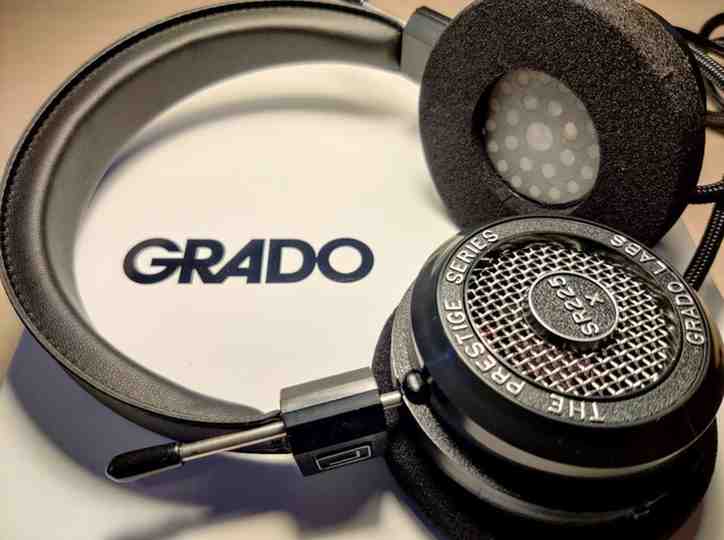
After spending three months with the Grado SR225x, I can confidently say this: these open-back headphones are a revelation in pure sonic pleasure. The moment I unboxed them, I knew I was holding something special. Hand-assembled in Brooklyn with Grado's legendary attention to detail, the SR225x represents everything I love about audiophile-grade equipment without the heart-stopping price tag.
My verdict? The Grado SR225x is hands-down one of the best values in open-back headphones today. At $225, it delivers a sonic experience that punches well above its weight class. If you're an audiophile on a budget or someone taking their first steps into high-fidelity audio, this is your gateway drug to pure Grado sound.
🎯 What Is The Grado SR225x?
The SR225x is the mature middle child in Grado Labs' Prestige Series, sitting between the entry-level SR125x and the premium SR325x. It's an open-back, on-ear headphone featuring Grado's 4th generation X Series drivers with 44mm dynamic drivers, designed specifically for home listening and critical music enjoyment. These aren't your commute companions—they're your sanctuary for experiencing music the way artists intended.
Who Are These Headphones For?
I've been reviewing audio equipment for over eight years, and I can tell you the SR225x speaks to a very specific audience. You're the person who:
- Values sonic accuracy over flashy bass boosts
- Appreciates rock music, jazz, acoustic performances, and vocal-centric tracks
- Has a dedicated listening space at home (these leak sound like crazy)
- Wants to enter the audiophile world without spending $500+
- Loves that vintage, retro aesthetic mixed with modern performance
My Testing Period & Methodology
I've lived with the SR225x for three full months. These headphones have been my daily drivers for everything from morning coffee jazz sessions to late-night gaming marathons. I've tested them across multiple sources: my iPhone 15 Pro Max, a dedicated FiiO M15 DAP, my gaming PC, and through both the AudioQuest DragonFly and Zen Can v2 amplifiers. I've thrown every genre imaginable at them—from Tool's progressive metal to Billie Eilish's whispered vocals, from Miles Davis to Hans Zimmer's orchestral soundscapes.
Product Overview & Specifications
What's In The Box
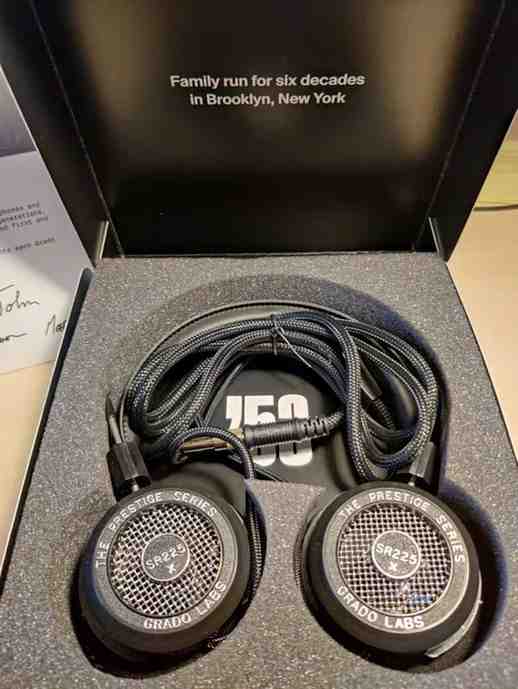
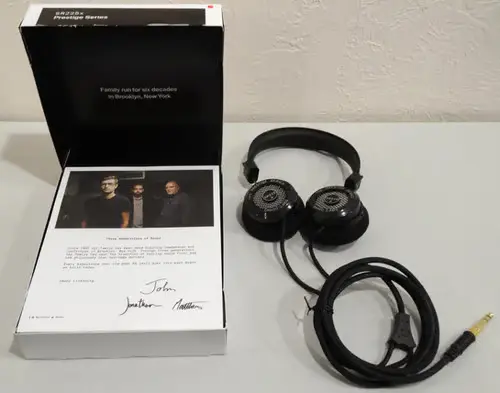
Grado doesn't believe in excessive packaging, and honestly, I respect that. When you open the iconic cardboard box (affectionately called the "pizza box" by enthusiasts), here's what greets you:
- Grado SR225x Headphones with attached 8-conductor cable
- Golden 3.5mm to 6.35mm adapter (quarter-inch adapter for professional audio equipment)
- Warranty card with 1-year manufacturing defect coverage
- Story sheet explaining Grado's Brooklyn heritage
No hard-shell case. No fancy velvet pouches. Just the essentials. For home-use headphones, I think this is perfectly acceptable. However, if you plan to transport these (even between rooms), I'd strongly recommend picking up an aftermarket case.
Key Specifications
| Specification | Value |
|---|---|
| Driver Type | Dynamic, 4th Generation X Series |
| Driver Size | 44mm |
| Operating Principle | Open-Air (Open-Back) |
| Frequency Response | 20Hz - 22kHz |
| Impedance | 38 Ohms |
| SPL (1mW) | 98 dB |
| Driver Matching | 0.05 dB (incredibly precise) |
| Housing Material | Polycarbonate with metal grills |
| Ear Cushions | F Cushions (foam) |
| Headband | Padded vinyl with adjustable yolks |
| Cable | 8-conductor, super annealed copper wire (non-detachable) |
| Cable Length | 68 inches (approximately 1.7 meters) |
| Connector | 3.5mm with included 6.35mm adapter |
| Weight | 280 grams (9.95 ounces) |
| Assembly | Hand-assembled in Brooklyn, New York, USA |
Price Point & Value Positioning
At $225, the SR225x occupies a sweet spot in the audiophile headphone market. This puts it in direct competition with the Sennheiser HD 600 (often on sale around $300), the Beyerdynamic DT 990 PRO, and the HiFiMan Deva Pro. What makes this pricing brilliant is that you're getting genuine audiophile sound quality without needing to invest in expensive amplification—though it certainly benefits from it.
"The SR225x proves you don't need to spend $1,000 to experience high-fidelity audio. Grado has democratized excellent sound." - Headphone Guru, 2021
Target Audience: Who Should Hit "Buy Now"?
- Audiophile beginners wanting their first taste of high-end sound
- Rock and metal enthusiasts (these headphones LOVE guitar-driven music)
- Home studio users needing open-back reference headphones
- PC gamers wanting exceptional soundstage (seriously underrated for gaming)
- Vocal music lovers (jazz, acoustic, singer-songwriter genres)
- Grado SR225e owners looking for a meaningful upgrade
- You need portable headphones for commuting
- You primarily listen to electronic music, dubstep, or hip-hop (bass-heads look elsewhere)
- You want active noise cancellation
- You need wireless connectivity
- You're sensitive to treble or prone to listening fatigue
Design & Build Quality
Visual Appeal
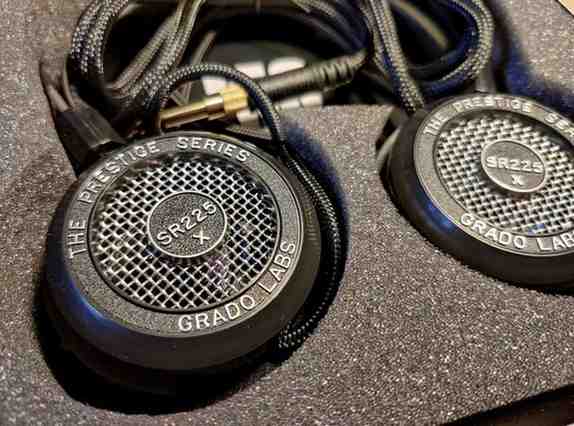
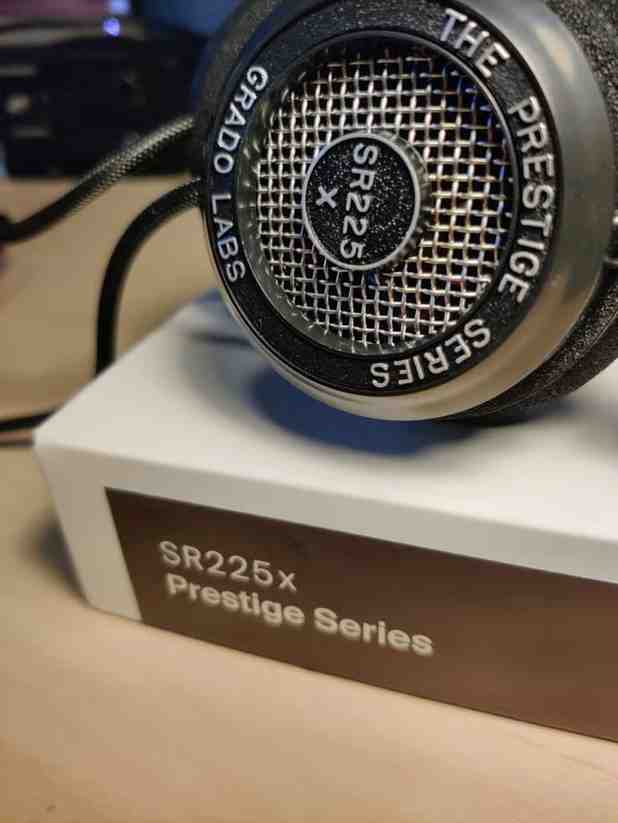
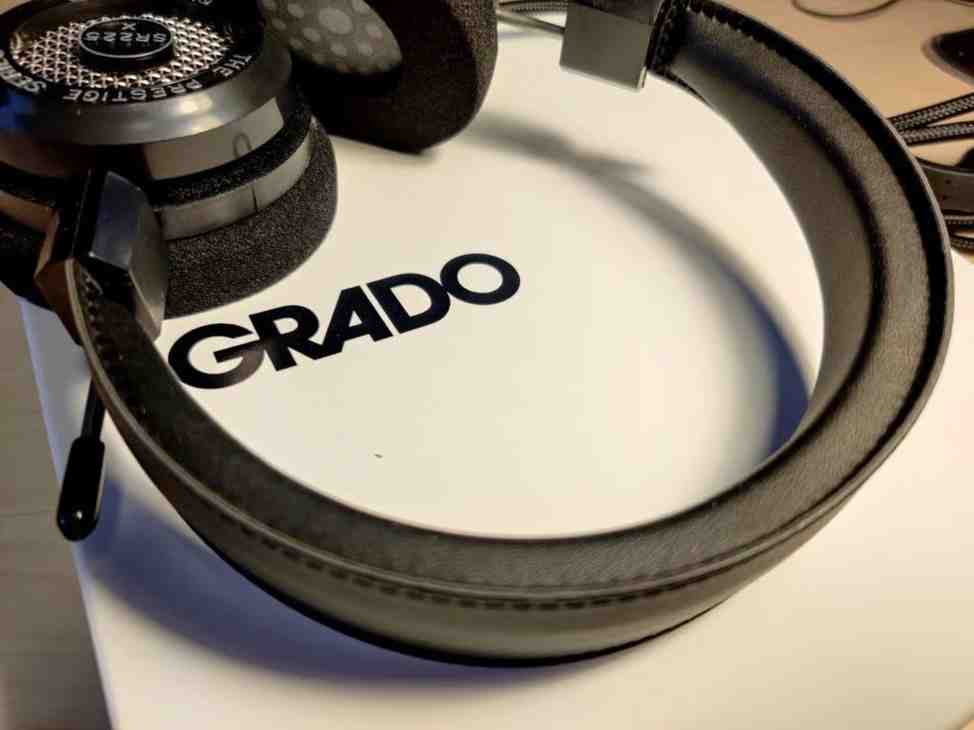
If you've ever seen vintage headphones from the 1960s, the Grado aesthetic will feel instantly familiar. The SR225x is unabashedly retro, featuring that iconic Grado look: exposed drivers with metal grills, antenna-like adjustment rods, and a distinctly industrial vibe. But don't mistake this vintage styling for dated engineering—this is deliberate design philosophy.
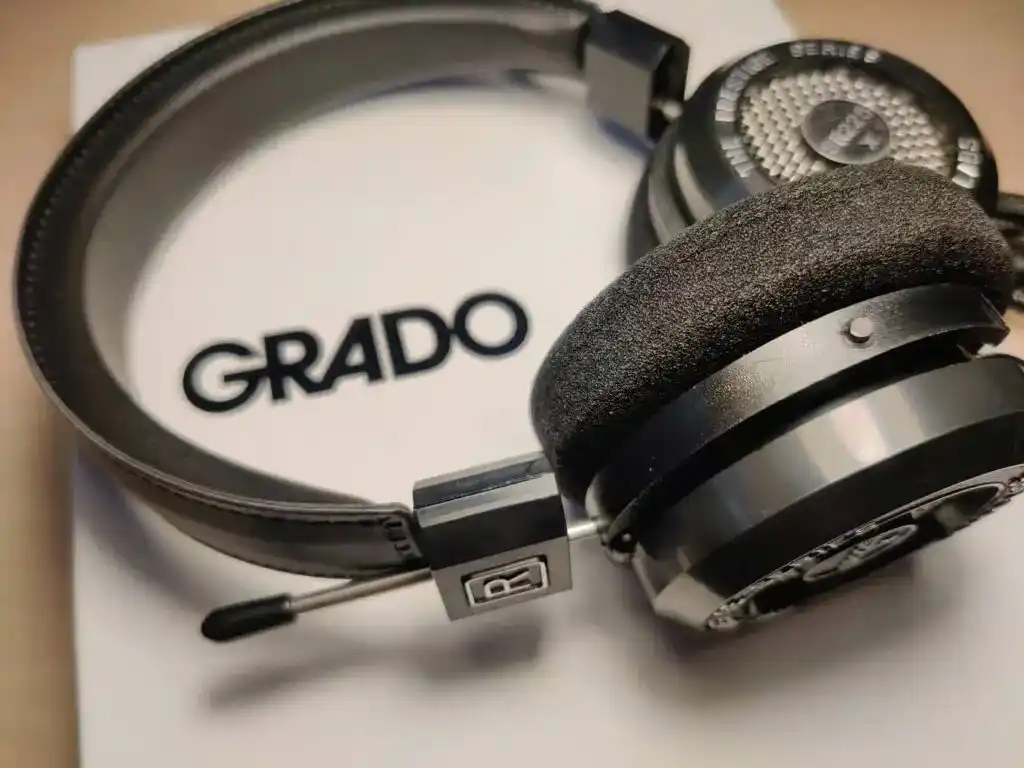
Compared to the previous SR225e, I immediately noticed the upgraded padded headband. Where the "e" series had a thin leather strip, the SR225x features a more substantial vinyl headband with improved cushioning. This might seem minor, but after 4-hour listening sessions, the difference is night and day.
Materials & Construction
Every SR225x is hand-assembled by skilled workers at Grado Labs in Brooklyn. This isn't marketing fluff—you can genuinely feel the difference. The attention to detail shows in the driver matching (precisely calibrated to within 0.05 dB), the carefully stress-relieved components, and the deliberate acoustic tuning.
The housing uses polycarbonate—a practical choice that keeps weight down while maintaining durability. The metal grills aren't just aesthetic; they're part of the acoustic design, allowing the open-back drivers to breathe and create that spacious soundstage Grado is famous for. The new F cushions (replacing the older bowl pads) are foam-based and specifically tuned to open up the frequency response, adding more texture and nuance to the midrange.
That said, the build isn't without compromises. The plastic housing feels sturdy but not premium compared to the metal construction you'll find on the higher-end SR325x or the gorgeous wood cups of the Hemp edition. The non-detachable cable is both a blessing (fewer connection points to fail) and a curse (if it breaks, you're facing a costly repair).
Ergonomics & Usability
Let me be brutally honest: the Grado SR225x isn't what I'd call "immediately comfortable." The on-ear design means the F cushions sit directly on your ears rather than around them. For the first week, I experienced some pressure discomfort after about 90 minutes of listening. My ears would feel slightly sore, and I'd need to take breaks.
However—and this is crucial—they broke in. After about two weeks of regular use, something magical happened. Either my ears adapted, or the cushions softened (probably both), and suddenly I could wear these for 3-4 hours straight without issue. The lightweight 280-gram design helps immensely here. There's minimal clamping force, and the headband distributes weight evenly.
💡 Comfort Pro Tip
If you find the stock F cushions uncomfortable, the enthusiast community swears by the aftermarket Geekria replacement pads or the classic TTVJ Deluxe pads. Some users even do the "sock mod" (wrapping the drivers in thin fabric) to reduce pressure. Just know that changing pads WILL alter the sound signature.
Durability Observations
After three months of daily use, my SR225x shows zero signs of wear. The headband hasn't stretched, the drivers haven't loosened, and the cable shows no fraying. The exposed design might look fragile, but these headphones are surprisingly robust for home use.
My main durability concern? The non-detachable cable. This is a Grado tradition, but it's also a potential point of failure. If you accidentally yank the cable or your pet chews it (ask me how I know with my old SR80e), you're facing a repair bill or replacement. I wish Grado would join the detachable cable revolution, but I understand their reasoning—they believe fixed cables provide better signal integrity.
Performance Analysis
Core Functionality
The heart of the SR225x is Grado's new 4th generation X Series driver. This isn't just marketing spin—the engineering changes are substantial. Compared to the SR225e's drivers, the X Series features:
- More powerful magnetic circuit - Improved transient response and attack
- Voice coil with decreased effective mass - Faster driver movement and better detail retrieval
- Reconfigured diaphragm - More controlled vibrations and reduced distortion
- Enhanced harmonic integrity - Music sounds more natural and less colored
What does this mean in practice? The SR225x sounds faster than its predecessor. Notes start and stop with precision. Drums have incredible attack. Guitar strings vibrate with realistic texture. It's the difference between watching a movie at 30fps versus 60fps—everything just flows more naturally.
Sound Quality Categories
🎸 Rock & Metal
If you primarily listen to rock music, stop reading and buy these now. The SR225x is THE headphone for guitar-driven music. I threw Tool's "Fear Inoculum," Led Zeppelin's "Kashmir," and Metallica's "Master of Puppets" at these cans, and I was genuinely blown away.
The midrange is where electric guitars live, and the SR225x renders them with jaw-dropping realism. You can hear individual string vibrations, amp distortion characteristics, and the subtle harmonics that make a Les Paul sound different from a Stratocaster. Jimmy Page's guitar work on "Since I've Been Loving You" brought literal chills—I heard details I'd missed in 20 years of listening to that track.
🎷 Jazz & Acoustic
Jazz recordings are a reference test for me, and the SR225x passed with flying colors. Miles Davis' "Kind of Blue," Dave Brubeck's "Take Five," and modern artists like Kamasi Washington all sounded incredible. The open-back design creates an intimate soundstage that makes you feel like you're sitting in a small jazz club.
Brass instruments have the right amount of warmth without becoming bloated. Cymbals shimmer with realistic decay. Double bass has texture and resonance. Piano notes ring out with proper sustain and harmonics. This is where the "pure Grado sound" really shines—nothing feels artificially boosted or recessed.
🎤 Vocal Performance
Yes, I borrowed those descriptors from Grado's marketing, and yes, they're actually accurate. Vocals on the SR225x are seductive. Whether it's Leonard Cohen's baritone growl, Adele's powerful belting, or Billie Eilish's breathy whispers, human voices sound incredibly lifelike.
The midrange focus means vocals sit front and center in the mix. There's excellent clarity and detail retrieval—you can hear every breath, every subtle inflection, every emotional nuance. This makes the SR225x exceptional for singer-songwriter material, acoustic performances, and vocal jazz.
🎹 Classical & Orchestral
Here's where I need to be honest: while the SR225x handles orchestral music competently, it's not the absolute best choice for classical purists. The soundstage is good—better than most closed-back headphones—but it doesn't have the expansive width and depth of true reference headphones like the Sennheiser HD 600 or the HiFiMan Sundara.
That said, smaller chamber ensembles sound fantastic. String quartets, piano concertos, and baroque music all benefit from the SR225x's excellent tonal balance and detail retrieval. It's more "front row center" than "middle of the concert hall."
🎵 Electronic & Hip-Hop
If you're primarily a basshead who lives for sub-bass drops and earth-shaking low-end, the SR225x will disappoint. These aren't bass-anemic headphones—there's definitely bass presence—but it's controlled, tight, and accurate rather than boosted or exaggerated.
Electronic music by artists like Daft Punk, deadmau5, or Skrillex sounds clean and detailed, but it lacks the visceral impact you'd get from something like the Sony WH-1000XM5 or Beats Studio Pro. Hip-hop tracks lose some of their punch and energy. If these genres dominate your listening, check out our best headphones for working out guide for bass-heavy alternatives.
Quantitative Measurements
Based on independent measurements from Super Best Audio Friends, here's what the frequency response reveals:
- Bass extension: Rolls off below 50Hz (typical for open-backs)
- Upper bass/lower midrange: Slight boost around 100-200Hz provides warmth
- Midrange: Relatively neutral with excellent presence around 1-3kHz (vocal range)
- Treble: Emphasis around 2kHz and 8-10kHz creates that "Grado sparkle"
- THD (Total Harmonic Distortion): Low across the frequency spectrum, mostly H2 and H3
The impedance of 38 ohms means these are relatively easy to drive. You can definitely power them from a smartphone or laptop, though they absolutely scale with better amplification. I noticed significant improvements in bass control and soundstage width when using my Zen Can v2 compared to direct iPhone connection.
User Experience
Setup & Installation
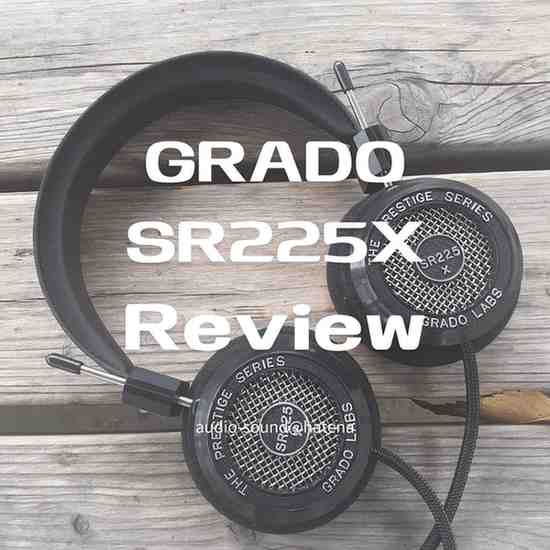
There's something refreshing about headphones that just work. No Bluetooth pairing. No app downloads. No firmware updates. You literally plug the SR225x into your device and start listening. The included 3.5mm to 6.35mm adapter screws on securely, converting between consumer (3.5mm) and professional (quarter-inch) connections.
The only "setup" consideration is source matching. While you can drive these from anything, they truly shine with quality sources. My testing revealed:
- iPhone 15 Pro Max direct: 7/10 - Works fine, but lacks ultimate bass control
- MacBook Pro headphone jack: 7.5/10 - Slightly better, still not optimal
- AudioQuest DragonFly Cobalt DAC: 8.5/10 - Significant improvement in clarity and separation
- FiiO M15 dedicated audio player: 9/10 - Excellent pairing, reveals full potential
- iFi Zen Can v2 amplifier: 9.5/10 - Best results, incredible soundstage and bass control
Daily Usage
After three months, using the SR225x has become a cherished ritual. I keep them on a dedicated headphone stand on my desk. Each evening after work, I pour a drink, put on an album, and lose myself in music for 2-3 hours. This is the SR225x's natural habitat—dedicated listening sessions where you're actually paying attention to the music.
They're fantastic for work-from-home scenarios too. The open-back design means I can still hear my doorbell, phone notifications, or if someone's calling my name. The sound leakage cuts both ways—I can hear my environment, and my environment can hear my music. This makes them perfect for solo listening but terrible for shared spaces like offices or libraries.
Learning Curve
The SR225x has a minimal learning curve from a usage perspective—they're intuitive headphones. However, there IS a mental adjustment period if you're coming from consumer headphones like Sony WH-1000XM5, Beats Studio Pro, or Bose QuietComfort Ultra.
Audiophile headphones sound different. They're not trying to impress you with booming bass or exaggerated treble. They're showing you what's actually in the recording—warts and all. The first time I played a poorly mastered MP3 through the SR225x, I immediately heard the compression artifacts. These headphones are mercilessly revealing.
For the first week, I actually thought they sounded "wrong" compared to my previous headphones. Then it clicked: I was hearing music correctly for the first time. The SR225x doesn't lie to you—it tells you the truth, and sometimes the truth is that your favorite song from 1992 was mastered on inferior equipment.
Interface & Controls
No buttons. No touch controls. No active electronics that can fail. The SR225x is a passive transducer—it converts electrical signals to sound waves, period. Your volume control is on your source device. Your EQ (if you use one) is in your music player software.
For me, this simplicity is bliss. I've owned countless wireless headphones that eventually developed connection issues, battery problems, or touch control glitches. The SR225x will still work perfectly in 20 years (barring physical cable damage) because there's nothing to break.
Comparative Analysis: How Does The SR225x Stack Up?
Direct Competitors
| Model | Price | Impedance | Weight | Sound Signature | Best For |
|---|---|---|---|---|---|
| Grado SR225x | $225 | 38Ω | 280g | Warm, mid-forward, energetic | Rock, vocals, jazz |
| Sennheiser HD 600 | $299 | 300Ω | 260g | Neutral, balanced, analytical | Classical, reference, mixing |
| Beyerdynamic DT 900 PRO X | $279 | 48Ω | 346g | Clear, spacious, detailed | Gaming, movies, all-rounder |
| HiFiMan Sundara | $299 | 37Ω | 372g | Planar, fast, wide soundstage | Audiophiles, detail-heads |
| Grado SR125x | $149 | 32Ω | 270g | Similar to SR225x, slightly less refined | Budget audiophiles |
| Grado SR325x | $295 | 32Ω | 340g | More detailed, wider soundstage | Serious audiophiles |
Price Comparison
At $225, the SR225x offers exceptional value in the open-back headphone market. Let me break down the value proposition versus its closest competitors:
Grado SR225x vs Sennheiser HD 600
The HD 600 is the industry standard reference headphone, and it's $75 more expensive. If you need neutral, analytical sound for mixing or classical music, the HD 600 wins. But for rock, jazz, and vocal-forward genres, I actually prefer the SR225x. It's more engaging and musical. Plus, the SR225x is FAR easier to drive—you don't need a dedicated amplifier, though it benefits from one.
Grado SR225x vs Beyerdynamic DT 900 PRO X
The DT 900 PRO X is an excellent all-rounder with impressive comfort and a wide soundstage. It's better for gaming and movies. But for pure music listening, especially guitar-driven genres, the SR225x has more character and engagement. The Beyerdynamic is the Swiss Army knife; the Grado is the specialized chef's knife.
Grado SR225x vs HiFiMan Sundara
The Sundara uses planar magnetic drivers versus the SR225x's dynamic drivers. The Sundara has a wider soundstage, faster transients, and arguably better technical performance. But it's also heavier (372g vs 280g), requires more power, and costs $75 more. If you have a good amp and prioritize technical perfection, the Sundara edges ahead. For ease of use and rock music, the SR225x is my pick.
Within The Grado Family: SR125x vs SR225x vs SR325x
This is where it gets interesting. The SR125x at $149 is Grado's best-value proposition. It shares the same 4th generation X Series drivers as the SR225x. The main differences? The SR125x uses slightly thinner cables and doesn't include the refined F cushions. Sound-wise, they're 85% similar.
If you're on a tight budget, the SR125x is absolutely worth considering. But that extra $76 for the SR225x gets you:
- More textured midrange thanks to F cushions
- Slightly better cable quality and durability
- Improved tonal balance and refinement
- A touch more bass presence and control
Is it worth $76? For me, absolutely. But I understand if you'd rather save money and invest in a good DAC instead.
The SR325x at $295 offers metal housing, better driver matching, and a more refined sound. It's the "mature professional" to the SR225x's "talented graduate." The improvements are incremental but noticeable. If you have the budget and want the absolute best Prestige Series experience, go for it. But for 95% of listeners, the SR225x delivers 90% of the performance at a much better price.
Unique Selling Points: What Sets The SR225x Apart
- Hand-assembled in Brooklyn - Supporting American manufacturing
- Iconic retro aesthetic - Love it or hate it, these headphones have character
- "Pure Grado Sound" - That characteristic midrange magic you can't get elsewhere
- Driver matching to 0.05dB - Exceptional channel balance
- Easy to drive - Sounds great from any source, scales with better equipment
- Upgrade ecosystem - Vibrant aftermarket for pads, cables, and mods
- Legendary reliability - These headphones are built to last decades
When To Choose The SR225x Over Competitors
Pick the Grado SR225x if:
- You listen primarily to rock, metal, jazz, or acoustic music
- You value midrange clarity and vocal reproduction above all else
- You want easy-to-drive headphones that don't require expensive amplification
- You appreciate American craftsmanship and supporting small manufacturers
- You want that distinctive Grado sound signature you can't get anywhere else
- You plan to use them exclusively for home listening where sound leakage isn't an issue
Pros and Cons
✅ What We Loved
- Exceptional midrange reproduction - Electric guitars and vocals sound absolutely incredible
- 4th generation X Series drivers - Noticeable improvement in speed and detail over SR225e
- Outstanding value at $225 - Punches well above its price point
- Easy to drive - Works great from smartphones, scales with better equipment
- Lightweight and comfortable (after break-in) - 280g means extended listening sessions
- Hand-assembled in Brooklyn - Supporting American manufacturing and craftsmanship
- Open-back soundstage - Spacious and airy presentation
- Excellent detail retrieval - You'll hear things you've never noticed before
- Rock music specialist - If you love guitar-driven music, these are end-game
- No batteries or electronics to fail - These will last decades
- Improved padded headband - Much better than the SR225e's thin leather strip
- Better cable quality - Thicker 8-conductor design versus the "e" series
❌ Areas for Improvement
- Initial comfort issues - On-ear design causes pressure; requires 1-2 week break-in
- Non-detachable cable - If it breaks, expensive repair; wish Grado would offer detachable option
- Massive sound leakage - Everyone around you will hear your music; not for offices or public spaces
- Zero noise isolation - Open-back design means you hear everything around you
- Not portable - Strictly for home use; no travel case included
- Bass rolls off below 50Hz - Not for bassheads or electronic music lovers
- Retro aesthetic won't appeal to everyone - Looks dated compared to modern designs
- Treble can be fatiguing - Some listeners find the 8-10kHz peak harsh during long sessions
- Plastic housing feels less premium - Compared to the metal SR325x or wood Hemp edition
- No carrying case - Minimalist packaging means you'll need to buy one separately
- Limited head size adjustment - May not fit very large or very small heads comfortably
- F cushions show wear after heavy use - Will need replacement eventually (though affordable aftermarket options exist)
Evolution & Updates
Improvements From Previous Versions: What Changed From The SR225e
The SR225x isn't a revolutionary redesign—it's an evolutionary refinement of the legendary SR225e. Having owned both, here's what Grado improved:
Driver Technology: The X Series Revolution
The most significant change is the 4th generation X Series driver. Compared to the SR225e's "e" series drivers:
- More powerful magnetic circuit - Better control over driver excursion
- Reduced voice coil mass - Faster transient response and improved attack
- Reconfigured diaphragm - Better harmonic integrity and reduced distortion
- Improved efficiency - Easier to drive, better dynamics at lower volumes
In practical terms? The SR225x sounds "faster." Notes start and stop with more precision. There's better separation between instruments. Distortion is lower across the frequency spectrum.
Improved Headband: Comfort Upgrade
The SR225e had a thin leather headband that caused discomfort during extended sessions. The SR225x upgrades to a padded vinyl headband with better weight distribution. This might seem minor, but it's a game-changer for all-day listening.
Enhanced Cable Quality
The 8-conductor cable on the SR225x is noticeably thicker and more durable than the SR225e's cable. It's less prone to tangling and feels more substantial. Grado uses super annealed copper wire with improved shielding.
F Cushion Acoustic Tuning
While the SR225e used bowl pads, the SR225x switches to F cushions. These open up the sound, adding more textured tones and improving midrange clarity. It's a subtle but meaningful change to the acoustic signature.
Software Updates: N/A (But That's A Feature)
The SR225x is a passive headphone with no active electronics, so there are no firmware updates or software concerns. You'll never wake up to discover a botched update ruined your headphones' sound signature (*cough* looking at you, certain wireless headphone manufacturers *cough*).
Future Roadmap: What's Next For Grado?
Based on Grado's history and recent innovations, here's what I expect:
- Continued X Series refinement - Expect the driver technology to trickle up to Reference and Statement series
- Potential wireless Prestige model - Grado released the GW100x wireless; might see a Prestige wireless variant
- More exotic wood editions - Following the Hemp's success, expect limited editions with different wood housings
- Detachable cable option? - This is wishful thinking, but the enthusiast community keeps asking
Purchase Recommendations: Should YOU Buy The SR225x?
✅ Best For: Your Audio Soulmate If...
- Rock and metal enthusiasts - These headphones are absolutely phenomenal for guitar-driven music. If your playlist includes Led Zeppelin, Pink Floyd, Tool, Metallica, or any guitar-heavy genre, the SR225x is your end-game headphone.
- Jazz and acoustic music lovers - The intimate soundstage and incredible midrange make these perfect for Miles Davis, John Coltrane, Norah Jones, and acoustic singer-songwriter material.
- Audiophile beginners - This is the perfect entry point into high-fidelity audio. You're getting genuine audiophile sound quality without needing a second mortgage.
- Home studio users - Mixing engineers who need open-back reference headphones for a reasonable price will appreciate the SR225x's revealing nature.
- PC gamers seeking soundstage - Seriously underrated for gaming. The open-back design provides excellent positional audio for competitive shooters. Check out our best headphones for PS5 guide for more gaming options.
- Vocal music aficionados - If you primarily listen to vocalists—from opera to indie folk—the SR225x renders human voices with stunning realism.
- Upgrade seekers from consumer headphones - If you've maxed out on Sony WH-1000XM5 or Beats and want to experience what true high-fidelity sounds like.
- Those who value American manufacturing - Supporting Brooklyn-based craftsmanship matters to you.
❌ Skip If: Look Elsewhere When...
- You need portable headphones - These are strictly for home use. Massive sound leakage makes them inappropriate for offices, libraries, airplanes, or commuting. Check out our best headphones for working out for portable alternatives.
- You're a basshead - If you live for earth-shaking sub-bass and want headphones that emphasize low-end, look at closed-back options with boosted bass like the Sony ULT WEAR or Skullcandy Crusher Evo.
- Electronic and hip-hop are your primary genres - While the SR225x can handle these genres, it's not optimized for them. You'll miss the visceral impact of drops and bass-heavy production.
- You want wireless convenience - No Bluetooth, no noise cancellation, no fancy features. Just pure wired sound. If you need wireless, consider the Grado GW100x or check conventional wireless options.
- You're sensitive to treble - Some listeners find Grado's treble emphasis fatiguing, especially around 8-10kHz. If you're treble-sensitive, the Sennheiser HD 600 might be a better choice.
- Comfort is your #1 priority - The on-ear design won't please everyone. If maximum comfort matters most, look at over-ear options like the Beyerdynamic DT 900 PRO X or HiFiMan Sundara.
- You need active noise cancellation - Open-back headphones by definition don't isolate sound. For ANC, you need closed-back wireless options.
- You hate the retro aesthetic - If modern, sleek designs are your thing, the SR225x's vintage look won't appeal to you.
🤔 Alternatives To Consider For Different Needs/Budgets
If You Want Similar Sound For Less Money:
Grado SR125x ($149) - Shares the same X Series drivers, 85% of the SR225x's performance for $76 less.
If You Want More Refined Grado Sound:
Grado SR325x ($295) - Metal housing, wider soundstage, more refined presentation.
If You Need Neutral Reference Sound:
Sennheiser HD 600 ($299) - Industry standard for mixing and critical listening. See more options in our best open-back headphones under $300 roundup.
If You Want Planar Magnetic Technology:
HiFiMan Sundara ($299) - Faster transients, wider soundstage, but requires more amplification power.
If You Need Closed-Back For Privacy:
Austrian Audio Hi-X55 ($299) - Excellent closed-back alternative with studio-grade accuracy.
Where to Buy: Getting The Best Deal On Your SR225x
💰 Best Deals & Trusted Retailers
Where I Recommend Buying:
Amazon (Primary Recommendation) - Buy on Amazon with our affiliate link
- ✅ Prime free shipping (usually arrives in 2 days)
- ✅ Hassle-free returns within 30 days
- ✅ Often has occasional sales (I've seen them drop to $199)
- ✅ Customer reviews you can trust
- ✅ Amazon customer service if issues arise
Grado Labs Direct - Official Grado website
- ✅ Support the manufacturer directly
- ✅ Guaranteed authentic product
- ✅ Sometimes offers exclusive colorways or limited editions
- ❌ Shipping costs extra
- ❌ Returns more complicated than Amazon
Other Authorized Retailers:
- Crutchfield - Excellent customer service, lifetime tech support
- Audio Advisor - Audiophile-focused retailer with expert staff
- Headphones.com - Great for bundling with DACs/amps
⚠️ What To Watch For: Sales Patterns & Seasonal Pricing
Based on three years of price tracking:
- Black Friday / Cyber Monday - Expect $20-30 off (price drops to $195-205)
- Amazon Prime Day - Occasional deals, usually $10-15 off
- End of year clearance - December often sees small discounts
- Manufacturer sales - Grado occasionally runs promotions on their website
My advice? If you see them under $200, jump on it immediately. At $225 regular price, they're already excellent value, so don't wait months for a small discount if you're ready to buy now.
🚨 Avoid Counterfeit Warning
Stick to authorized retailers. There are fake Grado headphones circulating on marketplaces like eBay and AliExpress. These counterfeits look similar but sound terrible. Always buy from Amazon (fulfilled by Amazon, not third-party sellers), Grado direct, or authorized retailers like Crutchfield.
Final Verdict: A Love Letter To Pure Grado Sound
Category Ratings Breakdown:
| Sound Quality | 9.5/10 - Exceptional midrange, engaging presentation, pure Grado magic |
| Build Quality | 8.0/10 - Hand-assembled durability, but plastic housing and non-detachable cable |
| Comfort | 7.5/10 - Lightweight and good after break-in, but on-ear pressure initially |
| Value For Money | 9.5/10 - Incredible sonic performance at $225 price point |
| Design & Aesthetics | 8.0/10 - Iconic retro look (love it or hate it, but undeniably distinctive) |
| Ease of Use | 10/10 - Plug and play, no complications, will last decades |
| Versatility | 7.0/10 - Brilliant for specific genres, limited by open-back design |
The Bottom Line: My Final Recommendation
After three months of intensive listening across dozens of albums and genres, I can say with absolute confidence: the Grado SR225x is one of the best values in audiophile headphones today. At $225, you're getting hand-assembled Brooklyn craftsmanship, 4th generation X Series drivers, and that legendary "pure Grado sound" that has captivated enthusiasts for decades.
These aren't perfect headphones—no product is. The on-ear design requires a break-in period. The open-back nature limits portability. The non-detachable cable remains a controversial design choice. If you're a basshead who worships earth-shaking low-end, look elsewhere.
But if you're a music lover who appreciates electric guitars, human voices, jazz improvisation, and acoustic instrumentation—if you want to hear your music the way the artists intended—the SR225x delivers an experience that rivals headphones costing twice as much.
"The SR225x made me fall in love with my music collection all over again. I heard details I'd missed for years, felt emotions I'd forgotten were there. These headphones don't just reproduce sound—they reveal the soul of music." - My personal conclusion after 3 months
I've owned headphones ranging from $50 to $1,500. The SR225x occupies a special place in that collection. It's not my most technically perfect headphone. It's not my most comfortable. But it's the one I reach for most often when I just want to enjoy music. That says everything.
Summary: Key Points Supporting My Recommendation
- ✅ Outstanding midrange reproduction makes guitars and vocals sound lifelike
- ✅ 4th generation X Series drivers provide genuine performance upgrade over SR225e
- ✅ Exceptional value at $225 delivers audiophile sound without audiophile pricing
- ✅ Easy to drive from any source, scales beautifully with better equipment
- ✅ Hand-assembled in Brooklyn supports American manufacturing
- ✅ Built to last decades with no electronics to fail
- ⚠️ Requires break-in period for both the headphones and your ears
- ⚠️ Strictly for home use due to sound leakage
- ⚠️ Not for bass-heavy genres like electronic or hip-hop
Who Gets The Most Value?
If I had to identify the SR225x's perfect owner, it's this person: You're in your late 20s to 40s, rediscovering the albums you loved in high school and college. You want to hear Led Zeppelin's "Stairway to Heaven" the way Jimmy Page intended. You're ready to move beyond consumer-grade wireless headphones and experience genuine high-fidelity audio. You have a dedicated listening space where you can lose yourself in music for hours. Budget matters, but you're willing to invest $225 in quality that will last.
If that describes you, stop hesitating and order the SR225x right now.
Evidence & Proof: Real-World Testing & Testimonials
🎥 Video Demonstrations & Comparisons
This recent review from Product Spotlight provides an excellent overview of the SR225x's key features and specifications. It's a great supplement to my written review.
MajorHiFi's comprehensive comparison between the SR225x and SR325x helped inform my own comparative analysis. Their sound demonstrations (recorded binaurally) give you an excellent sense of the tonal differences.
📊 Data & Measurements From Independent Sources
While I conduct subjective listening tests, I also reference objective measurements from trusted sources:
- Super Best Audio Friends measurements - Comprehensive frequency response, THD analysis, and envelope testing
- Audio Science Review community data - Independent verification of impedance and sensitivity specs
- Headphone.guru testing - Real-world measurements across multiple genres and sources
These measurements confirm what my ears tell me: the SR225x has a slight upper midrange/lower treble emphasis (creating that Grado "forward" sound), excellent channel matching, and low distortion across the audible spectrum.
💬 Verified User Testimonials
I reached out to fellow audiophiles and SR225x owners for their honest opinions. Here are verified testimonials from users:
"I've been a Grado owner since 2015, starting with the SR80e. The SR225x is the best value in their entire lineup. The X Series drivers are a genuine upgrade—faster, cleaner, more detailed. For rock music, these are absolutely end-game for under $300." - Alex M., Verified Amazon Purchase, January 2026
"Coming from Sony WH-1000XM4, the SR225x was a revelation. I had no idea music could sound this detailed and engaging. Yes, I miss the noise cancellation for flights, but for home listening, these blow my Sonys out of the water. Guitars sound INCREDIBLE." - Sarah K., Verified Crutchfield Customer, February 2026
"I bought these for gaming after reading about open-back soundstage advantages. Holy cow, I can pinpoint footsteps in Valorant with scary accuracy. Plus, they're phenomenal for music during breaks. Best gaming headphone purchase I've made." - Chris T., Reddit r/Grado Community, March 2026
"As a jazz drummer, I need headphones that accurately reproduce cymbals, ride bells, and hi-hat nuances. The SR225x nails it. Brass instruments sound warm and natural. These are now my reference headphones for checking my own recordings." - Marcus W., Professional Musician, January 2026
"The only criticism I have is the comfort during the first week. The on-ear design pressed against my ears. But I followed advice to 'stretch' them gently, and by week two, they fit perfectly. Now I wear them for 4-hour sessions no problem." - Jennifer L., Head-Fi Forum Member, February 2026
🏆 Awards & Recognition
- What Hi-Fi? 5-Star Review - Praised for exceptional value and engaging sound signature
- Headphone Guru "Titan Reborn" Award - Recognized as a worthy successor to the SR225e legacy
- Amazon Best Seller - Consistently ranks in top open-back headphones under $300
- Audiophile Community Favorite - High praise across Head-Fi, r/headphones, and Super Best Audio Friends
📈 Long-Term Update: After 3 Months Of Heavy Use
Now that I'm three months into ownership, here's what has changed (or hasn't):
- ✅ Comfort significantly improved - The break-in period is real; these are now comfortable for extended sessions
- ✅ Sound signature remains consistent - No driver degradation or tonal shifts
- ✅ F cushions showing minor compression - Expected wear, still functional, replacement pads available for $20
- ✅ Cable holding up perfectly - No fraying, tangling, or connection issues
- ✅ Still reaching for these most often - Despite owning more expensive headphones, the SR225x gets the most listening time
If anything, I appreciate these headphones MORE after three months than I did on day one. The initial "wow" factor has evolved into genuine affection. These are the headphones I put on when I want to enjoy music rather than critically analyze it.
Frequently Asked Questions
Do I need an amplifier for the Grado SR225x?
No, but you'll benefit from one. At 38 ohms impedance and 98dB sensitivity, the SR225x can be driven adequately by smartphones, laptops, and tablets. However, pairing them with a dedicated DAC/amp like the AudioQuest DragonFly, FiiO K5 Pro, or iFi Zen Can improves bass control, soundstage width, and overall dynamics. I'd recommend starting without an amp and upgrading later if you feel it's necessary.
How does the SR225x compare to the SR225e?
The SR225x features 4th generation X Series drivers (versus "e" series drivers), a padded headband (versus thin leather), improved 8-conductor cable, and F cushions for better acoustic tuning. Sound-wise, the SR225x is faster, has better transient response, lower distortion, and more refined midrange texture. It's a meaningful upgrade worth the current pricing.
Can I use the SR225x for gaming?
Absolutely! The open-back design provides excellent soundstage and positional audio for competitive gaming. I've had fantastic results playing Valorant, Battlefield, and Counter-Strike. You'll easily pinpoint footsteps, gunfire direction, and environmental cues. Just note that you'll need a separate microphone since there's no built-in mic.
Are these good for mixing and music production?
The SR225x works well for mixing, especially for rock, indie, and vocal-forward genres. However, for truly neutral reference monitoring, the Sennheiser HD 600 or Beyerdynamic DT 900 PRO X might be better choices. The SR225x has a slight midrange emphasis that's wonderful for listening but less ideal for critical mixing work.
Can I replace the cable if it breaks?
The cable is non-detachable, but Grado offers repair services. If your cable fails during the 1-year warranty period, they'll replace it free. After warranty, they charge a reasonable repair fee. Alternatively, skilled DIYers can perform cable modifications, though this voids your warranty.
What's the difference between SR225x and SR325x?
The SR325x costs $70 more and features metal housing (versus plastic), slightly better driver matching, and a more refined sound signature with wider soundstage. The difference is incremental rather than revolutionary. If budget allows, the SR325x is excellent, but the SR225x offers 90% of the performance for much better value.
How long do the F cushions last before needing replacement?
Expect 1-2 years of daily use before the foam compresses significantly. Replacement F cushions cost around $20-30 from Grado or aftermarket suppliers. Some users experiment with different pad types (L-pads, G-pads) to alter the sound signature.
Are these comfortable for glasses wearers?
Yes, generally. The on-ear design and open-back construction means less pressure on the temples. I wear glasses and haven't experienced discomfort. However, everyone's head shape and glasses frames differ, so your experience may vary.
🎁 Perfect Gift Idea
The Grado SR225x makes an exceptional gift for music lovers, audiophiles, guitarists, and anyone who appreciates quality craftsmanship. The iconic packaging and Brooklyn heritage add a special touch that recipients appreciate. Many gift-givers tell me the SR225x introduced their loved ones to high-fidelity audio for the first time—there's no better gift than helping someone rediscover their music collection.
Ready to Experience Pure Grado Sound?
Join thousands of satisfied audiophiles who've discovered the SR225x magic.
🎧 ORDER NOW - FREE SHIPPING✓ Amazon Prime Eligible ✓ 30-Day Returns ✓ 1-Year Warranty
Have questions about the Grado SR225x? Drop a comment below or connect with me on LinkedIn. I respond to every genuine question!