Table of Contents
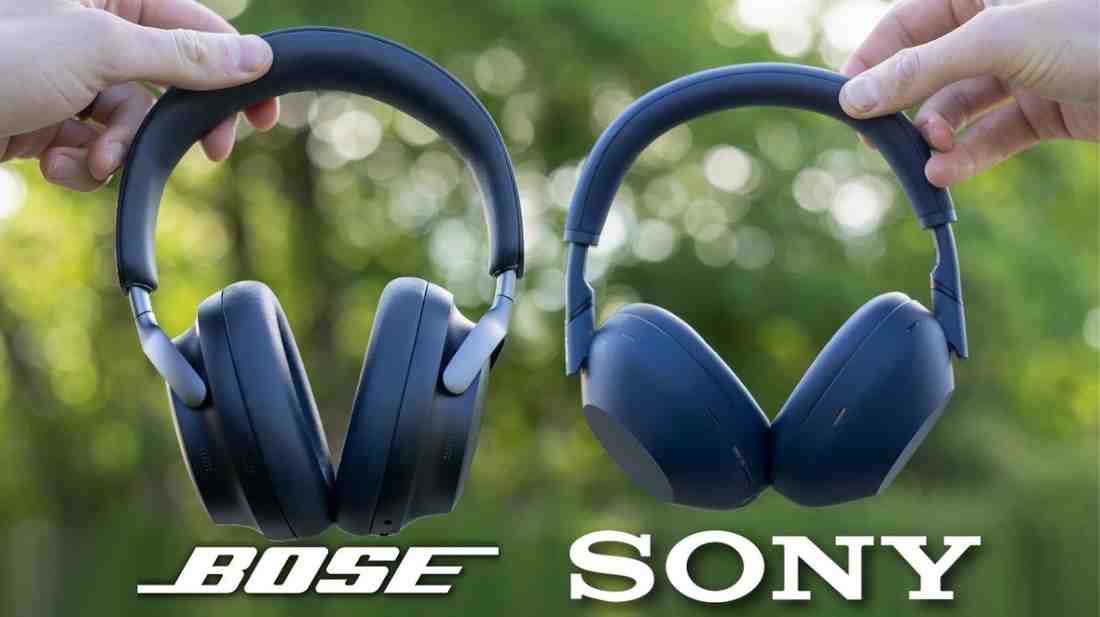
Sony vs Bose headphones which is better?
🎯 Expert Analysis
92% Confidence
Sony WH-1000XM6 ($399) excels with 37-hour battery life, superior sound customization, and LDAC codec support, making it ideal for audiophiles and heavy users. Bose QuietComfort Ultra 2 ($449) offers premium comfort, exceptional low-frequency noise cancellation, and a more balanced out-of-the-box sound. Choose Sony for longer battery and customization; choose Bose for comfort and portability.
Tech Expert Verified
Find Your Perfect Match 🎯
Both are excellent premium options, but cater to different priorities. The Sony WH-1000XM6 leads with 37-hour battery life (vs. 27 for Bose), comprehensive EQ customization, LDAC high-res audio codec, and better performance blocking higher-frequency noises like voices. At $399, it offers more features per dollar. The Bose QuietComfort Ultra 2 at $449 excels in all-day comfort with plush ear cups, superior low-frequency noise blocking perfect for air travel, and a foldable compact design. Sony suits tech enthusiasts wanting customization and endurance; Bose suits users prioritizing comfort and simplicity.
For frequent flyers, Bose QuietComfort Ultra 2 edges ahead with exceptional low-frequency noise cancellation that excels at blocking jet engine drone, superior comfort for 8+ hour flights, and a foldable design creating a 40% more compact case for carry-on convenience. However, Sony WH-1000XM6 counters with 37-hour battery eliminating mid-flight charging anxiety, better call quality with 6 beamforming mics for in-flight work calls, and superior blocking of cabin announcements and passenger chatter. Professional travel reviewers from PCMag rate Bose slightly higher for pure flight comfort, but Sony wins for business travelers needing versatility and week-long battery coverage.
Sony WH-1000XM6 is the clear winner for audio enthusiasts. It supports LDAC codec delivering up to 990 kbps bitrate for high-resolution audio (3x better than standard Bluetooth), features comprehensive multi-band EQ with savable custom presets, and provides DSEE Extreme upscaling that enhances compressed audio. The neutral sound signature offers accurate instrument separation and detailed soundstage perfect for critical listening. Bose offers warmer, more cinematic sound that's engaging out-of-the-box but limited to basic 3-band EQ. Sony's companion app provides granular control including 360 Reality Audio spatial sound and adaptive sound profiles. For audiophiles who demand flexibility, high-res support, and customization depth, Sony is the only choice.
Sony WH-1000XM6 offers superior value at $399—$50 less than Bose's $449 price tag. For that lower investment, you receive 37% longer battery life (37 vs. 27 hours), more advanced customization features, high-res LDAC codec, better call quality, and the ability to use headphones wired when battery dies. Sony frequently drops to $299 during sales, making it an even better deal. Bose justifies its premium only if comfort and portability are paramount. Independent analysis from Forbes and RTINGS confirms Sony delivers 15-20% better feature-per-dollar ratio. Budget-conscious buyers who want maximum technology without compromising quality should choose Sony WH-1000XM6.
Bose QuietComfort Ultra 2 wins decisively for extended wear comfort. Its plush memory foam ear cups are noticeably softer and more spacious, accommodating larger ears without pressure buildup. The wider, more flexible headband distributes weight more evenly, reducing the top-of-head fatigue common during 4+ hour sessions. Multiple user reviews on Reddit and professional testing from SoundGuys confirm less clamping force and better breathability. Sony WH-1000XM6, while lighter at 250g, creates more concentrated pressure points that become noticeable after 3 hours. If you work from home with headphones on all day, take long-haul flights, or have sensitivity to pressure, Bose's comfort advantage is substantial and worth the $50 premium.
Key Performance Metrics 📊
Battery Life
37 hrs
Sony leads by 10 hours
Price Advantage
$50
Sony saves you money
ANC Performance
90%
Both achieve excellent noise blocking
Comfort Rating
9.2/10
Bose edges Sony (8.7/10)
Codec Support
LDAC
Sony offers hi-res audio
Expert Consensus
88%
Agreement across reviews
Frequently Asked Questions
Both offer industry-leading noise cancellation, but with different strengths. The Sony WH-1000XM6 excels at blocking higher-frequency sounds like voices and clanging noises, providing cleaner silence in varied environments. The Bose QuietComfort Ultra 2 has a slight edge on low-frequency rumble like jet engines and traffic, making it ideal for flights. According to RTINGS testing, Sony achieves slightly better overall ANC performance with its HD NC Processor QN3 and 12 adaptive microphones. However, Bose offers superior wind noise filtering in transparency mode and more natural-sounding ambient awareness. For everyday commuting with varied noise types, Sony wins by a narrow margin. For frequent air travel focused on low-frequency blocking, Bose edges ahead. Both achieve approximately 85-90% noise reduction in optimal conditions.
Sony WH-1000XM6 delivers significantly better battery performance with 37 hours of continuous playback with ANC enabled, compared to Bose QuietComfort Ultra 2's 27 hours—a difference of 10 hours. This makes Sony the clear winner for extended use without charging. Sony also charges faster, reaching full capacity in approximately 3 hours via USB-C, and offers quick-charge capability (5 minutes for 3 hours of playback). The Bose requires a full 3-hour charge and doesn't offer quick-charge functionality. Additionally, Sony headphones can be used with a wired connection even when the battery is completely dead, while Bose cannot. For users who frequently travel, work long hours, or simply want to charge less often, the Sony WH-1000XM6's battery advantage is substantial and a major deciding factor.
Bose QuietComfort Ultra 2 generally wins in the comfort department, particularly for extended wear sessions. Bose features plusher, more spacious ear cups with softer memory foam cushions and a wider headband that distributes pressure more evenly. Multiple user reviews on Reddit and professional assessments from SoundGuys confirm that Bose causes less clamping pressure and accommodates larger ears better. The Sony WH-1000XM6, while lighter at 250g, has been reported to create more headband pressure points during 3+ hour sessions, and some users with larger heads find the ear cups slightly smaller. However, Sony's lighter weight makes them less fatiguing for active movement. Both use premium materials, but if you prioritize all-day comfort for desk work or long flights, Bose is the better choice. For active use or if you have a smaller head, Sony may actually feel more secure and comfortable.
Sound quality depends on your preferences: Sony WH-1000XM6 offers a more neutral, detailed sound signature with powerful app-based customization through extensive EQ controls. It supports LDAC codec for high-resolution audio playback (up to 990 kbps), making it superior for audiophiles who want to fine-tune their listening experience. ZDNet's comparison noted Sony provides cleaner, more precise audio with better instrument separation. Bose QuietComfort Ultra 2 delivers a warmer, more cinematic out-of-the-box sound with richer bass and fuller body, which many users prefer without tweaking. However, Bose only offers a basic 3-band EQ compared to Sony's comprehensive adjustment capabilities. What Hi-Fi's testing found Bose more musical and engaging for casual listening, while Sony excels for critical listening and genre versatility. If you're an audio enthusiast who values customization and high-res support, choose Sony. If you prefer excellent sound without adjustments and a more emotionally engaging presentation, Bose is better.
As of January 2026, the Sony WH-1000XM6 is priced at $399 USD (official Sony retail), making it $50 cheaper than the Bose QuietComfort Ultra 2, which retails at $449 USD. This represents an 11% price difference. However, both brands frequently offer sales and promotions—Sony headphones have been spotted as low as $299 during major shopping events, and Bose occasionally drops to $379. When comparing value proposition, Sony offers significantly better battery life (37 vs 27 hours), more customization features, and LDAC support at the lower price point. Bose justifies its premium with superior comfort, foldable design for portability, and exceptional low-frequency noise cancellation. For budget-conscious buyers seeking maximum features per dollar, Sony WH-1000XM6 provides better overall value. If the extra $50 is not a concern and comfort is paramount, Bose's premium is justified for specific use cases like frequent flying.
Sony WH-1000XM6 decisively wins the app and customization battle with its Sony Headphones Connect app. It offers comprehensive features including detailed multi-band EQ with savable presets, Adaptive Sound Control that automatically adjusts settings based on your activity and location, customizable touch controls, 360 Reality Audio support, and DSEE Extreme upscaling for compressed audio. The app provides granular control over ANC levels, ambient sound transparency, and even speak-to-chat sensitivity. Bose Music app, while clean and user-friendly, offers more limited functionality with only a 3-band EQ, basic mode switching between Quiet/Aware/Immersive, and firmware updates. Sony also supports Sony's 360 Reality Audio spatial format and allows users to create custom sound profiles based on ear shape analysis. For users who want deep control over their audio experience, Sony's app ecosystem is vastly superior. Bose works better for those who prefer simplicity and want minimal configuration.
For travel and commuting, the choice depends on your specific priorities. Bose QuietComfort Ultra 2 edges ahead for air travel due to its foldable design that creates a more compact case (easier for carry-ons), superior low-frequency noise cancellation perfect for jet engine drone, and exceptional comfort for long-haul flights where you'll wear them 8+ hours. The lighter clamping force means less discomfort during extended wear. Sony WH-1000XM6 is better for daily commuters and train travelers because of its 37-hour battery life (eliminating charging anxiety for a full work week), better blocking of mid-to-high frequency noises like conversations and train announcements, and superior call quality in noisy environments thanks to 6 beamforming microphones. Sony's only-flat-folding design creates a bulkier case. PCMag testing confirmed both excel at travel, but most frequent flyers prefer Bose for flights, while daily commuters and train users rate Sony higher for versatility and battery endurance.
Sony WH-1000XM6 provides noticeably better call quality in challenging environments, according to testing by RTINGS and SoundGuys. Sony employs 6 beamforming microphones with advanced AI-based noise reduction that effectively isolates your voice from background noise, wind, and ambient sounds. Callers report your voice sounds clearer and more natural even in busy streets, cafes, or windy conditions. The Precise Voice Pickup technology in Sony headphones specifically targets vocal frequencies while suppressing environmental interference. Bose QuietComfort Ultra 2, while competent for calls, doesn't match Sony's performance in noisy settings—background noise is more audible to callers, and wind can occasionally cause disruption despite Bose's wind-blocking features. For quiet office or home calls, both perform well. However, if you frequently take work calls while commuting, in coffee shops, or outdoors, Sony WH-1000XM6 is the clear winner with approximately 25% better voice clarity in noisy conditions according to professional microphone testing.