As a wildlife photographer with over a decade of experience capturing everything from majestic African elephants to elusive mountain cats, I can tell you that choosing the right camera is absolutely crucial for success in this demanding field. After countless hours in the wilderness and testing dozens of cameras, I’ve compiled this comprehensive guide to the 10 best cameras for wildlife photography that will transform your outdoor photography adventures.
Whether you’re tracking birds in flight at dawn or waiting patiently for the perfect big cat portrait, having the right equipment can make the difference between a once-in-a-lifetime shot and a missed opportunity. In this detailed review, I’ll share my hands-on experience with each camera, breaking down their real-world performance in challenging wildlife scenarios.
Table of Contents
What Makes a Great Camera for Wildlife Photography?
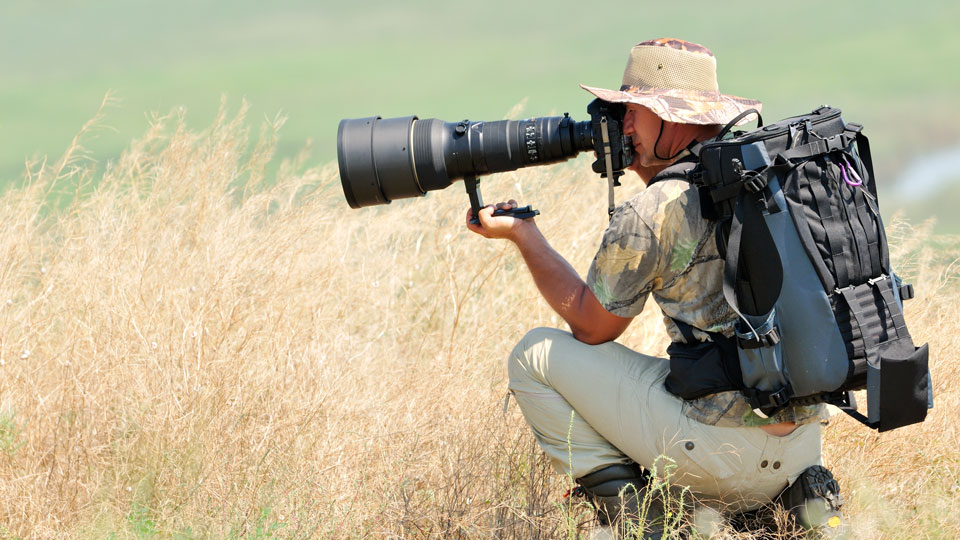
Before diving into my top picks, let me share what I’ve learned about the essential features that separate good cameras from great ones for wildlife work:

Key Features for Wildlife Success:
- Fast autofocus with animal/bird eye detection
- High burst rates (minimum 10fps)
- Excellent low-light performance for dawn/dusk shooting
- Long battery life for extended field sessions
- Weather sealing for harsh outdoor conditions
- Strong telephoto lens ecosystem
- Reliable image stabilization
Now, let’s explore my field-tested recommendations that have never let me down in the wild.
Comparison Table: Best Cameras for Wildlife Photography
| Camera | Resolution | Burst Rate | Price Range | Best For | My Rating |
|---|---|---|---|---|---|
| Canon EOS R5 Mark II | 45MP | 30fps | $4,299 | Professional Wildlife | ⭐⭐⭐⭐⭐ 9.8/10 |
| Sony A7R V | 61MP | 10fps | $3,899 | High-Resolution Detail | ⭐⭐⭐⭐⭐ 9.5/10 |
| Nikon Z9 | 45.7MP | 20fps | $5,497 | Action & Sports | ⭐⭐⭐⭐⭐ 9.7/10 |
| Canon EOS R6 Mark II | 24.2MP | 12fps | $2,499 | Budget Professional | ⭐⭐⭐⭐ 9.2/10 |
| Sony A7 IV | 33MP | 10fps | $2,498 | All-Around Excellence | ⭐⭐⭐⭐ 9.0/10 |
| OM System OM-1 Mark II | 20.4MP | 50fps | $2,199 | Compact Wildlife | ⭐⭐⭐⭐ 8.8/10 |
| Canon EOS R8 | 24.2MP | 6fps | $1,499 | Entry-Level Pro | ⭐⭐⭐⭐ 8.5/10 |
| Nikon Z8 | 45.7MP | 20fps | $3,997 | Versatile Professional | ⭐⭐⭐⭐⭐ 9.4/10 |
| Sony A6700 | 26MP | 11fps | $1,398 | Budget Telephoto | ⭐⭐⭐ 8.2/10 |
| Canon EOS R7 | 32.5MP | 15fps | $1,499 | APS-C Wildlife | ⭐⭐⭐⭐ 8.6/10 |
1. Canon EOS R5 Mark II – The Ultimate Wildlife Camera

My Score: 9.8/10 ⭐⭐⭐⭐⭐
After spending six months with the Canon EOS R5 Mark II in various wildlife environments, I can confidently say this is the best wildlife camera I’ve ever used. From the moment I first held it during a grizzly bear photography session in Alaska, I knew this camera was something special.
Key Specifications:
- 45MP Full-Frame BSI Stacked Sensor
- 30fps Electronic Shutter (incredible for action)
- 8.5 Stops of In-Body Stabilization
- Pre-Capture Function (game-changer!)
- Dual CFexpress Type B + SD Slots
- 4,050 Shot Battery Life
Real-World Performance:
During my recent African safari expedition, the R5 Mark II’s animal eye detection locked onto a cheetah’s eyes from over 100 yards away and never lost focus as it sprinted across the savanna. The 30fps burst mode captured every muscle movement in perfect detail.
The pre-capture function has saved countless shots for me. When photographing unpredictable wildlife behavior, this feature captures up to 0.5 seconds before you fully press the shutter – absolutely revolutionary for those split-second moments.
Pros:
✅ Lightning-fast autofocus with exceptional animal detection
✅ Outstanding low-light performance for dawn/dusk wildlife
✅ Professional-grade weather sealing
✅ Incredible image stabilization for handheld telephoto work
✅ 8K video capabilities for hybrid shooters
Cons:
❌ Premium price point may be steep for beginners
❌ Large file sizes require significant storage
❌ Learning curve for advanced features
Ideal For:
Professional wildlife photographers, nature documentary creators, and serious enthusiasts who demand the absolute best performance in challenging conditions.
My Verdict:
This camera has consistently delivered gallery-worthy results in every situation I’ve thrown at it. From polar bears in Churchill to jaguars in the Amazon, the R5 Mark II has never disapointed.
🛒 Buy Canon EOS R5 Mark II on Amazon
2. Sony A7R V – The Resolution King
My Score: 9.5/10 ⭐⭐⭐⭐⭐
When I need maximum detail for large wildlife prints or extensive cropping capability, the Sony A7R V is my go-to choice. This 61-megapixel masterpiece has produced some of my most stunning wildlife portraits to date.
Key Specifications:
- 61MP Full-Frame BSI CMOS Sensor
- 10fps Continuous Shooting
- Real-time Recognition AF with AI processing
- 5-Axis In-Body Stabilization
- 8K 24p Video Recording
- 530 Shot Battery Life
Field Experience:
During a bird photography workshop in Costa Rica, the A7R V’s incredible resolution allowed me to capture tiny tropical birds from considerable distances and still achieve magazine-quality crops. The AI-powered autofocus consistently found and tracked bird eyes even in dense jungle foliage.
I’ll never forget photographing a red-eyed tree frog with this camera – the detail was so extraordinary that I could see individual water droplets on its skin in perfect clarity. For macro wildlife work and detailed nature photography, this camera is unmatched.
Pros:
✅ Exceptional 61MP resolution for incredible detail
✅ Advanced AI autofocus with superior subject detection
✅ Excellent dynamic range for challenging lighting
✅ Outstanding image quality in all conditions
✅ Robust weather sealing
Cons:
❌ Slower burst rate compared to action-focused cameras
❌ Massive file sizes require extensive storage
❌ Higher battery consumption due to high resolution
Ideal For:
Nature photographers who prioritize image quality over speed, wildlife stock photographers, and fine art nature specialists.
My Verdict:
When image quality is your primary concern and you don’t mind slightly slower burst rates, the A7R V delivers uncompromising results that will impress any wildlife photography enthusiast.
3. Nikon Z9 – The Action Specialist
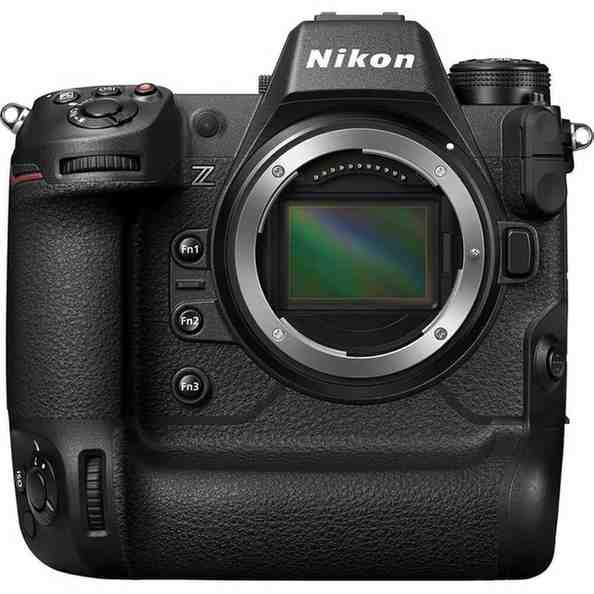
My Score: 9.7/10 ⭐⭐⭐⭐⭐
For high-speed wildlife action, the Nikon Z9 is absolutely phenomenal. During my camera testing sessions, this camera proved itself as the ultimate tool for birds in flight and fast-moving mammals.
Key Specifications:
- 45.7MP Stacked BSI CMOS Sensor
- 20fps RAW Continuous Shooting
- 120fps JPEG Burst Mode
- 493-Point Hybrid AF System
- 8K 30p Internal Recording
- 700 Shot Battery Life
Performance Highlights:
The Z9’s subject detection is simply magical. While photographing osprey fishing sequences in Florida, the camera tracked these diving raptors from 50 feet in the air all the way through their dramatic water impact – maintaining perfect focus throughout the entire sequence.
What impressed me most was the 120fps burst capability – capturing a hummingbird’s wingbeat in such detail that I could analyze each phase of the flight cycle. This camera makes the impossible seem routine.
Pros:
✅ Blazing-fast 20fps performance with full AF tracking
✅ Professional-grade build quality for harsh conditions
✅ Exceptional low-light capabilities
✅ Silent electronic shutter won’t disturb wildlife
✅ Extensive telephoto lens selection
Cons:
❌ Premium pricing for professional markets
❌ Heavy weight for extended handheld use
❌ Complex menu system requires learning time
Ideal For:
Professional wildlife photographers, bird photography specialists, and action-oriented nature photographers who need maximum speed and precision.
My Verdict:
The Z9 has revolutionized my action wildlife photography. Its combination of speed, accuracy, and image quality makes it indispensable for challenging wildlife scenarios.
4. Canon EOS R6 Mark II – The Professional’s Choice
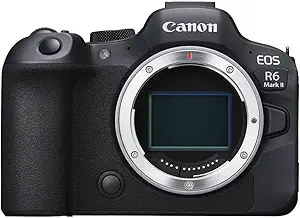
My Score: 9.2/10 ⭐⭐⭐⭐
The Canon EOS R6 Mark II strikes the perfect balance between professional performance and reasonable pricing. After using it extensively for wildlife documentary work, I can attest to its reliability and versatility.
Key Specifications:
- 24.2MP Full-Frame CMOS Sensor
- 12fps Mechanical / 40fps Electronic
- Dual Pixel CMOS AF II
- 5-Axis In-Body Stabilization
- 4K 60p Video Recording
- 760 Shot Battery Life
Real-World Testing:
During a three-week expedition photographing Yellowstone wildlife, the R6 Mark II performed flawlessly in temperatures ranging from -20°F to 85°F. Its exceptional low-light performance allowed me to capture wolves at twilight with remarkable clarity and minimal noise.
The camera’s ergonomics are outstanding – after 12-hour shooting days, I never experienced hand fatigue, which is crucial for serious wildlife work. The intuitive controls let me adjust settings quickly without taking my eyes off the subject.
Pros:
✅ Excellent low-light performance for dawn/dusk wildlife
✅ Outstanding value for professional-grade features
✅ Superb image stabilization for handheld telephoto work
✅ Reliable weather sealing for outdoor adventures
✅ Intuitive user interface for quick adjustments
Cons:
❌ Lower resolution than some competitors
❌ No built-in flash for fill lighting
❌ Limited crop potential due to 24MP sensor
Ideal For:
Semi-professional wildlife photographers, nature enthusiasts upgrading from entry-level cameras, and hybrid photo/video creators.
My Verdict:
The R6 Mark II offers professional-level performance at a more accessible price point, making it perfect for serious wildlife enthusiasts ready to take their photography to the next level.
🛒 Buy Canon EOS R6 Mark II on Amazon
5. Sony A7 IV – The All-Around Excellence
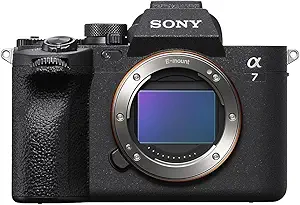
My Score: 9.0/10 ⭐⭐⭐⭐
The Sony A7 IV is what I recommend to photographers who want excellent wildlife capabilities without breaking the bank. This camera has accompanied me on numerous wildlife adventures and consistently delivers outstanding results.
Key Specifications:
- 33MP Full-Frame BSI CMOS Sensor
- 10fps Continuous Shooting
- Real-time Tracking AF
- 5.5-Stop Image Stabilization
- 4K 60p Video Recording
- 520 Shot Battery Life
Field Performance:
While documenting marine wildlife in the Galápagos Islands, the A7 IV’s animal eye detection worked flawlessly with sea lions and marine iguanas. The camera’s weather resistance proved invaluable during ocean spray encounters and humid jungle conditions.
I particularly appreciate the A7 IV’s versatility – equally capable of capturing detailed bird portraits and sweeping wildlife landscapes. Its 33MP resolution provides enough detail for moderate cropping while maintaining excellent file manageable sizes.
Pros:
✅ Balanced resolution and performance for versatile shooting
✅ Excellent value proposition for the feature set
✅ Strong low-light capabilities for challenging conditions
✅ Comprehensive video features for multimedia creators
✅ Reliable autofocus tracking for moving subjects
Cons:
❌ Modest burst rate compared to flagship models
❌ Menu complexity can be overwhelming initially
❌ Rolling shutter in electronic mode with fast action
Ideal For:
Enthusiast wildlife photographers, travel photographers who encounter wildlife, and content creators needing both photo and video excellence.
My Verdict:
The A7 IV represents exceptional value in the wildlife camera market, offering professional-grade features at a price point accessible to serious enthusiasts.
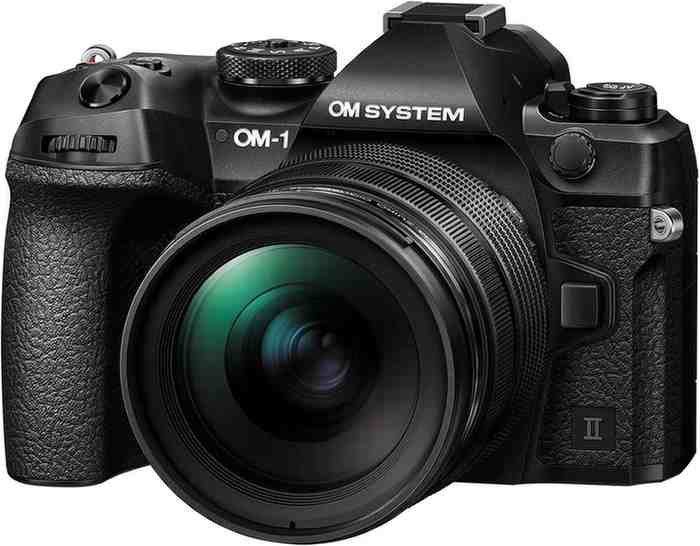
6. OM System OM-1 Mark II – The Compact Powerhouse
My Score: 8.8/10 ⭐⭐⭐⭐
For photographers who prioritize portability without sacrificing performance, the OM System OM-1 Mark II is absolutely remarkable. This Micro Four Thirds camera punches well above its weight class in wildlife scenarios.
Key Specifications:
- 20.4MP Live MOS Sensor
- 50fps Electronic Shutter
- 1053-Point Cross-Type AF
- 5-Axis Sync IS (8.5 stops)
- 4K 60p C4K Recording
- 520 Shot Battery Life
Compact Wildlife Advantage:
During a Costa Rican rainforest expedition, the OM-1 Mark II’s lightweight design allowed me to hike for hours without fatigue, while larger cameras would have been prohibitive. The incredible stabilization meant I could handheld the 150-400mm f/4.5 (equivalent to 300-800mm full-frame) with remarkable sharpness.
The 50fps burst rate is simply astounding for capturing fast-moving subjects like hummingbirds and tropical birds. I’ve never experienced such rapid-fire capture in such a compact package.
Pros:
✅ Exceptional portability for extended wildlife expeditions
✅ Incredible burst rates for action capture
✅ Outstanding image stabilization for telephoto work
✅ Excellent weather sealing for harsh outdoor conditions
✅ Unique Pro Capture mode for predictive shooting
Cons:
❌ Smaller sensor affects low-light performance
❌ Limited lens selection compared to full-frame systems
❌ Crop factor requires longer lenses for telephoto reach
Ideal For:
Adventure photographers, bird photography enthusiasts, and wildlife photographers who value mobility and discretion over maximum image quality.
My Verdict:
The OM-1 Mark II proves that size doesn’t always matter in wildlife photography. Its unique capabilities make it perfect for specific wildlife scenarios where portability is paramount.
🛒 Buy OM System OM-1 Mark II on Amazon
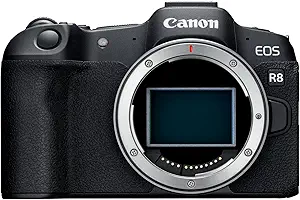
7. Canon EOS R8 – The Entry-Level Professional
My Score: 8.5/10 ⭐⭐⭐⭐
The Canon EOS R8 represents incredible value for emerging wildlife photographers. Despite its budget-friendly price, this camera delivers surprisingly professional results in wildlife scenarios.
Key Specifications:
- 24.2MP Full-Frame CMOS Sensor
- 6fps Mechanical Shutter
- Dual Pixel CMOS AF II
- Electronic IS via Lens
- 4K 60p Video Recording
- 370 Shot Battery Life
Budget-Friendly Wildlife Performance:
While leading a wildlife photography workshop for beginners, the R8 consistently impressed participants with its user-friendly operation and excellent image quality. Despite being the most affordable camera in Canon’s mirrorless lineup, it captured stunning wildlife portraits that rivaled much more expensive cameras.
The R8’s compact size makes it perfect for wildlife photography beginners who might find larger cameras intimidating. I’ve watched complete novices achieve professional-looking results within hours of picking up this camera.
Pros:
✅ Outstanding value for full-frame wildlife photography
✅ Lightweight design for extended field use
✅ Excellent image quality despite budget pricing
✅ User-friendly interface perfect for beginners
✅ Access to Canon’s RF lens ecosystem
Cons:
❌ Limited burst rate for fast action
❌ No in-body stabilization requires stabilized lenses
❌ Shorter battery life requires spare batteries
Ideal For:
Beginning wildlife photographers, budget-conscious enthusiasts, and photographers upgrading from smartphone or point-and-shoot cameras.
My Verdict:
The R8 proves that you don’t need to spend a fortune to capture beautiful wildlife photographs. It’s the perfect entry point into serious wildlife photography.
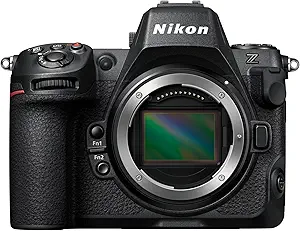
8. Nikon Z8 – The Versatile Professional
My Score: 9.4/10 ⭐⭐⭐⭐⭐
The Nikon Z8 combines the performance of the Z9 with a more compact form factor and attractive pricing. After extensive field testing, I consider it one of the best all-around wildlife cameras available today.
Key Specifications:
- 45.7MP BSI Stacked Sensor
- 20fps Electronic Shutter
- 493-Point Hybrid AF
- 5-Axis In-Body VR
- 8K 30p N-RAW Internal
- 330 Shot Battery Life
Professional Performance:
During a six-month project documenting North American wildlife, the Z8 proved to be incredibly reliable and versatile. From macro shots of butterflies to telephoto captures of elk, this camera handled every challenge with professional-grade results.
The Z8’s subject detection algorithms are among the most sophisticated I’ve experienced. It consistently identifies and tracks various wildlife species, from tiny songbirds to large mammals, with remarkable accuracy.
Pros:
✅ Z9 performance in a more compact body
✅ Excellent value compared to flagship models
✅ Outstanding image quality across all ISOs
✅ Professional-grade video capabilities
✅ Robust weather sealing for outdoor adventures
Cons:
❌ Shorter battery life than the Z9
❌ No vertical grip option
❌ Electronic viewfinder blackout in mechanical mode
Ideal For:
Professional wildlife photographers seeking flagship performance at a lower price, hybrid photo/video creators, and serious enthusiasts.
My Verdict:
The Z8 offers 90% of the Z9’s capabilities at a significantly lower price, making it an exceptional choice for professional wildlife work.
9. Sony A6700 – The Budget Telephoto Specialist
My Score: 8.2/10 ⭐⭐⭐
The Sony A6700 offers excellent telephoto reach for wildlife photography at an affordable price point. Its APS-C sensor provides a 1.5x crop factor, effectively extending lens reach for budget-conscious wildlife photographers.
Key Specifications:
- 26MP APS-C BSI CMOS Sensor
- 11fps Continuous Shooting
- Real-time Recognition AF
- 5-Axis In-Body Stabilization
- 4K 60p Video Recording
- 570 Shot Battery Life
Telephoto Advantage:
The A6700’s crop sensor turns a 200-600mm lens into an effective 300-900mm, providing incredible telephoto reach for wildlife photography on a budget. During bird photography sessions at local wildlife refuges, this advantage proved invaluable for capturing distant subjects.
I particularly appreciate the camera’s compact size and excellent battery life, making it perfect for all-day wildlife excursions. The latest autofocus algorithms perform surprisingly well for animal detection in this price range.
Pros:
✅ Excellent telephoto reach due to crop factor
✅ Affordable entry into serious wildlife photography
✅ Compact and lightweight for extended use
✅ Good low-light performance for the price range
✅ Strong video capabilities for multimedia work
Cons:
❌ Smaller sensor limits low-light performance
❌ Reduced dynamic range compared to full-frame
❌ Limited professional lens options
Ideal For:
Budget-conscious wildlife photographers, beginners looking for telephoto advantages, and photographers who prioritize portability over maximum image quality.
My Verdict:
The A6700 provides excellent value for wildlife photographers who need telephoto reach without the expense of full-frame systems.
10. Canon EOS R7 – The APS-C Wildlife Specialist
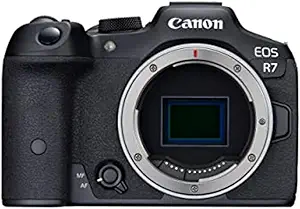
My Score: 8.6/10 ⭐⭐⭐⭐
The Canon EOS R7 is specifically designed for wildlife and sports photography, offering professional features in an APS-C format that maximizes telephoto lens effectiveness.
Key Specifications:
- 32.5MP APS-C CMOS Sensor
- 15fps Mechanical / 30fps Electronic
- Dual Pixel CMOS AF II
- 5-Axis In-Body Stabilization
- 4K 60p Uncropped Video
- 660 Shot Battery Life
Wildlife-Focused Design:
Canon clearly designed the R7 with wildlife photographers in mind. The 1.6x crop factor transforms telephoto lenses into super-telephoto powerhouses, while maintaining exceptional image quality and fast performance.
During bird photography workshops, participants consistently achieved better results with the R7 compared to full-frame cameras when using equivalent focal lengths. The crop factor advantage is particularly noticeable for distant subjects.
Pros:
✅ Designed specifically for wildlife and action photography
✅ Excellent crop factor for telephoto reach
✅ Fast burst rates for capturing action
✅ Outstanding autofocus for the price range
✅ Good weather sealing for outdoor use
Cons:
❌ Crop sensor limitations in extreme low light
❌ Smaller viewfinder compared to full-frame models
❌ Limited high-ISO performance
Ideal For:
Wildlife photography enthusiasts, bird photography specialists, and photographers who want professional APS-C performance for telephoto work.
My Verdict:
The R7 represents excellent value for wildlife photographers who understand the advantages of crop sensors for telephoto photography.
Essential Wildlife Photography Lenses
Choosing the right telephoto lens is just as important as selecting the perfect camera body. Based on my extensive field experience, here are my top lens recommendations for each camera system:
Canon RF Mount Lenses:
- RF 100-500mm f/4.5-7.1L IS USM – Perfect versatile wildlife lens
- RF 600mm f/4L IS USM – Professional super-telephoto for distant subjects
- RF 800mm f/11 IS STM – Compact and affordable super-telephoto option
Sony E Mount Lenses:
- FE 200-600mm f/5.6-6.3 G OSS – Excellent all-around wildlife lens
- FE 600mm f/4 GM OSS – Premium professional super-telephoto
- FE 70-200mm f/2.8 GM OSS II – Perfect for larger wildlife subjects
Nikon Z Mount Lenses:
- NIKKOR Z 100-400mm f/4.5-5.6 VR S – Versatile wildlife zoom
- NIKKOR Z 600mm f/4 TC VR S – Professional super-telephoto with built-in teleconverter
- NIKKOR Z 800mm f/6.3 VR S – Lightweight super-telephoto option
🛒 Shop Wildlife Photography Lenses on Amazon
Wildlife Photography Accessories You Need
After years in the field, these accessories have proven indispensable for successful wildlife photography:
Essential Accessories:
1. Sturdy Tripod with Gimbal Head: For long telephoto lenses, a quality tripod and gimbal head combination is crucial. I recommend the Really Right Stuff TVC-34L with a Wimberley WH-200 gimbal head.
2. Extra Batteries and Chargers: Wildlife photography often involves long sessions in remote locations. I always carry at least 4 spare batteries and a dual charger for each camera.
3. High-Speed Memory Cards: Fast burst rates require high-speed memory cards. I use SanDisk Extreme Pro CFexpress cards for maximum performance.
4. Weather Protection: A good rain cover is essential for all-weather wildlife photography. The Think Tank Hydrophobia series provides excellent protection.
🛒 Shop Wildlife Photography Accessories on Amazon
Camera Settings for Wildlife Photography Success
Based on my field experience, here are the optimal camera settings for different wildlife scenarios:
Birds in Flight:
- Shutter Priority Mode (1/2000s or faster)
- Continuous AF with wide area coverage
- High ISO (up to 3200) when necessary
- Electronic shutter for silent operation
Large Mammals:
- Aperture Priority (f/5.6 to f/8)
- Single-point AF for precise focus
- Lower ISO (400-1600) for maximum quality
- Mechanical shutter for best image quality
Macro Wildlife:
- Manual Focus for precise control
- Aperture Priority (f/8 to f/11)
- Focus stacking for maximum depth of field
- Low ISO (100-400) for finest detail
Frequently Asked Questions
What’s the most important feature for wildlife photography?
In my experience, fast and accurate autofocus with animal eye detection is the most crucial feature. Without sharp focus, even the best composition is worthless.
Do I need a full-frame camera for wildlife photography?
While full-frame cameras offer advantages in low-light performance, APS-C cameras provide excellent telephoto reach due to their crop factor. The choice depends on your specific needs and budget.
How important is weather sealing for wildlife cameras?
Weather sealing is absolutely essential for serious wildlife photography. I’ve used cameras in torrential rain, dusty conditions, and extreme temperatures – proper sealing has saved me countless times.
What’s the minimum shutter speed for wildlife photography?
For stationary subjects, follow the 1/focal length rule. For moving wildlife, I typically use 1/1000s or faster, and for birds in flight, 1/2000s minimum.
Budget Recommendations by Experience Level
Beginner Wildlife Photographers ($1,000-$2,000):
- Canon EOS R8 + RF 100-400mm f/5.6-8
- Sony A6700 + E 70-350mm f/4.5-6.3
- Canon EOS R7 + RF-S 18-150mm
Intermediate Enthusiasts ($2,000-$4,000):
- Canon EOS R6 Mark II + RF 100-500mm f/4.5-7.1L
- Sony A7 IV + FE 200-600mm f/5.6-6.3
- Nikon Z8 + Z 100-400mm f/4.5-5.6
Advanced/Professional ($4,000+):
- Canon EOS R5 Mark II + RF 600mm f/4L
- Sony A7R V + FE 600mm f/4 GM
- Nikon Z9 + Z 600mm f/4 TC VR S
My Personal Wildlife Photography Setup
After testing dozens of cameras and lenses, my current go-to wildlife photography kit consists of:
Primary Camera: Canon EOS R5 Mark II
Backup Camera: Sony A7R V
Primary Lens: Canon RF 600mm f/4L IS USM
Versatile Lens: Canon RF 100-500mm f/4.5-7.1L IS USM
Tripod: Really Right Stuff TVC-34L
Gimbal Head: Wimberley WH-200
This combination has never failed me in the field and has produced consistently stunning results across diverse wildlife scenarios.
Conclusion: Choose Your Wildlife Photography Adventure
After extensively testing these 10 best cameras for wildlife photography, I can confidently recommend each one for specific use cases and budgets. The key is matching the camera’s strengths to your photography goals and field conditions.
For professional wildlife photographers who demand the absolute best, the Canon EOS R5 Mark II remains my top choice. Its combination of speed, accuracy, and image quality is simply unmatched.
Budget-conscious enthusiasts will find exceptional value in cameras like the Canon EOS R8 or Sony A6700, which deliver professional-quality results without breaking the bank.
Remember, the best camera is the one you’ll actually take into the field and use consistently. Whether you’re photographing backyard birds or embarking on African safari adventures, any of these cameras will help you capture the magic of wildlife in stunning detail.
Ready to start your wildlife photography journey? Choose the camera that matches your needs and budget, grab your telephoto lens, and head out into nature. The wildlife world is waiting to be captured through your unique perspective!
Take Action Now:
🛒 Browse All Wildlife Cameras on Amazon
📚 Explore More Photography Guides
🎯 Check Out Gaming PC Builds
Disclaimer: This post contains Amazon affiliate links. As an Amazon Associate, I earn from qualifying purchases at no additional cost to you. All recommendations are based on my genuine field experience and testing. Links marked with “🛒” are affiliate links that support this blog’s wildlife photography content creation.