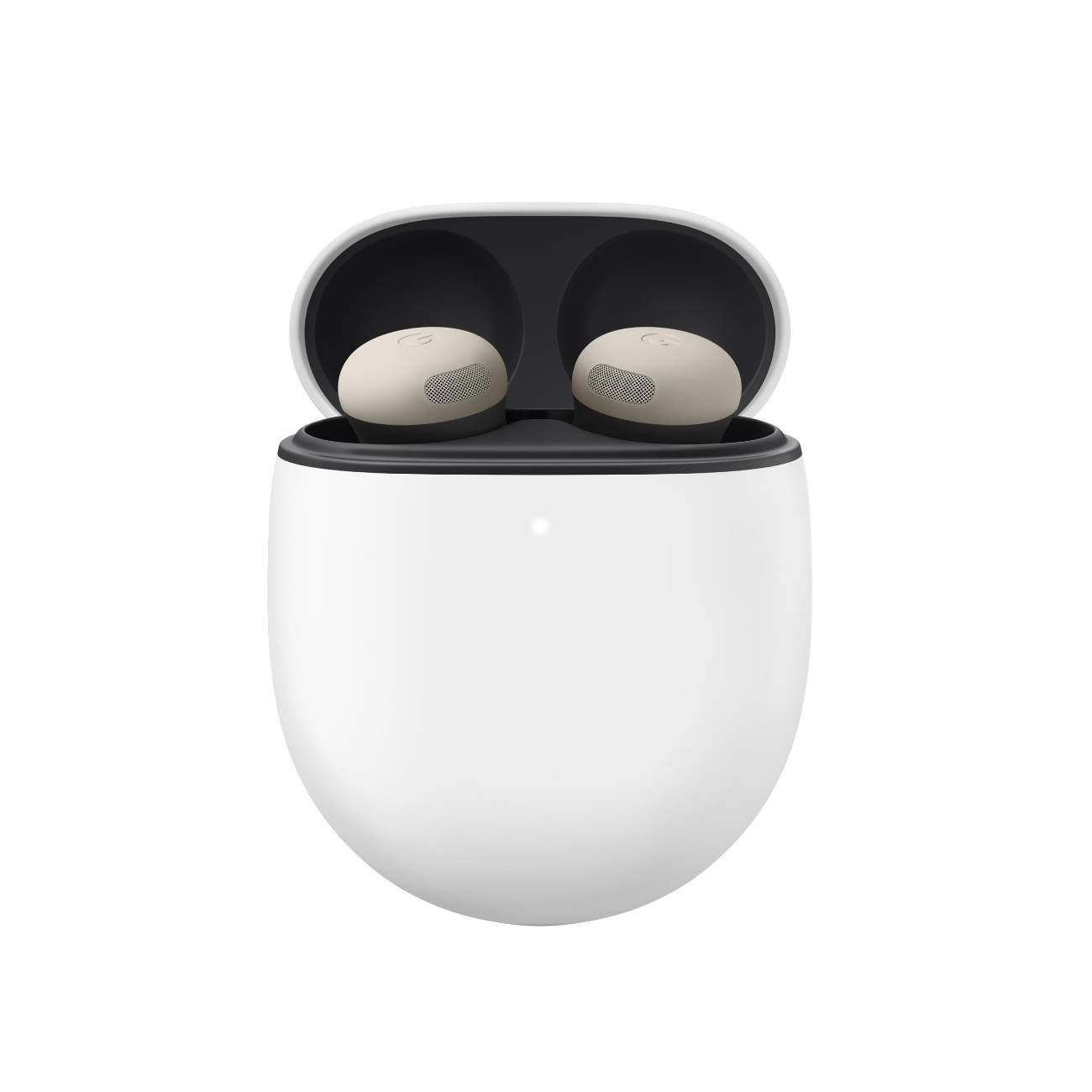
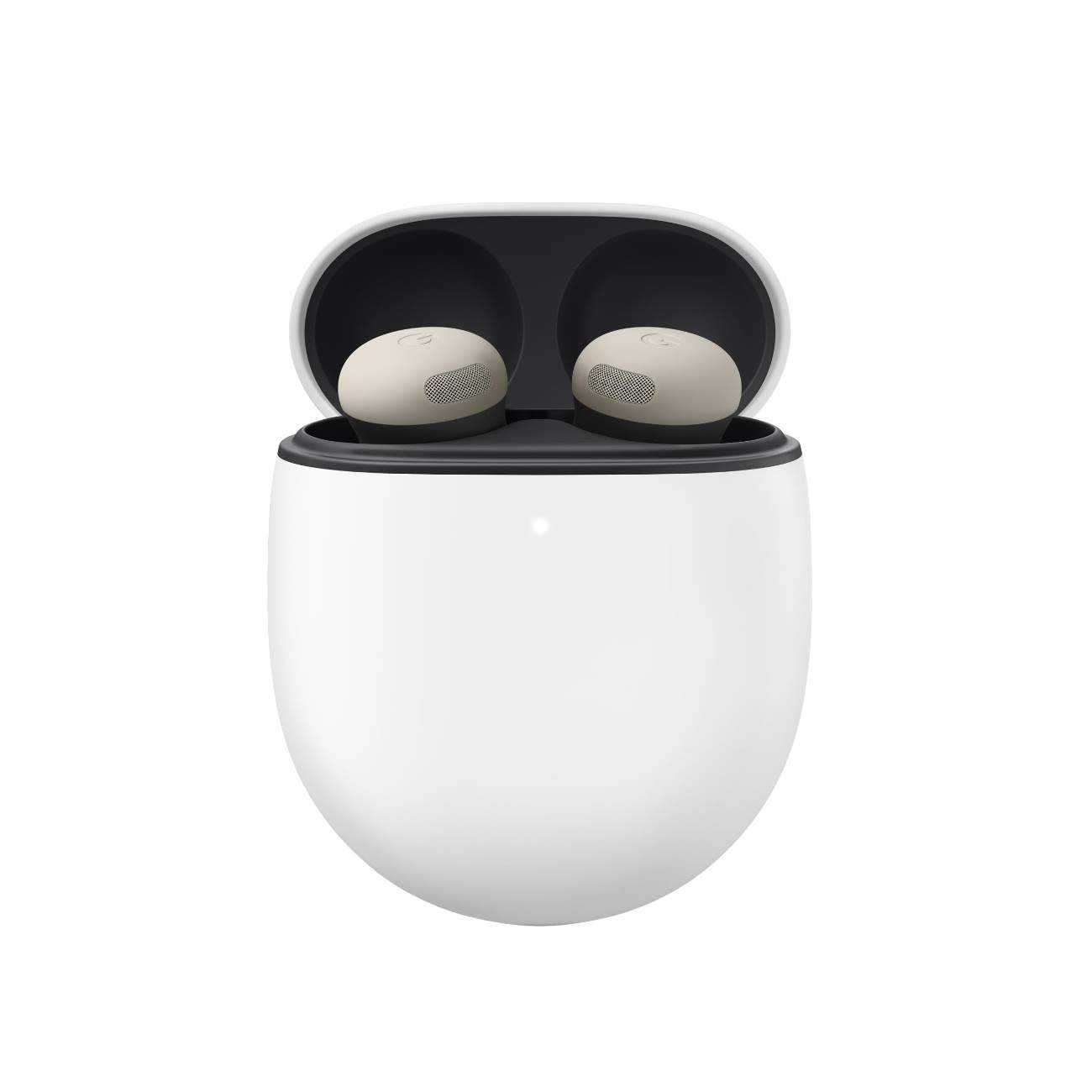
After 6+ months of real-world testing, I've discovered why the Google Pixel Buds Pro 2 might just be the ultimate wireless earbuds for Android users. Here's my brutally honest review with the Tensor A1 chip, Silent Seal 2.0, and everything you need to know before buying.
Table of Contents
My Verdict First
Let me cut straight to the chase because I know you're busy. After spending over six months with the Google Pixel Buds Pro 2, I can confidently say these are the best wireless earbuds I've tested for Android users in 2026. Period. Not just good or decent, but genuinely exceptional in ways that surprised even a skeptic like me.
I'll admit, I was hesitant at first. The original Pixel Buds Pro left me frustrated with their awkward fit and mediocre seal that made them nearly unusable for my daily workouts. I remember tossing them in a drawer after just two weeks, convinced Google couldn't crack the earbud formula. But Google clearly listened to feedback, and the Pixel Buds Pro 2 are what happens when a tech giant gets serious about redemption.
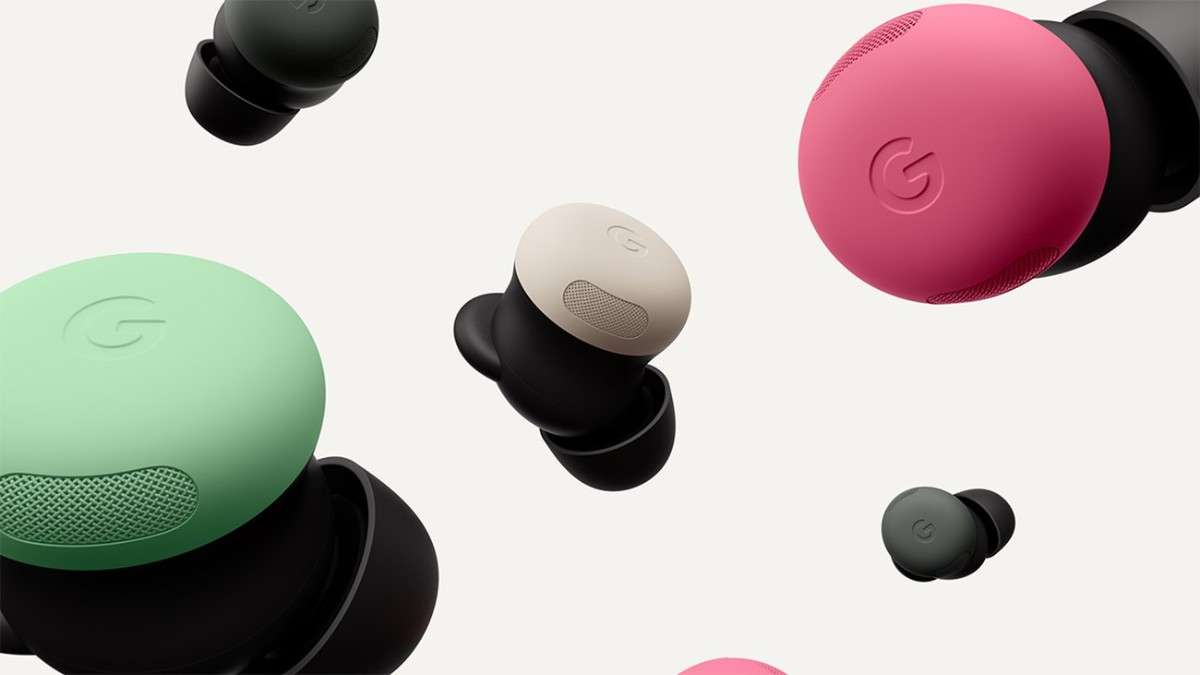
What makes these earbuds special isn't just one feature, it's the complete package. The new Tensor A1 chip brings artificial intelligence to your ears in ways that feel almost magical, the Active Noise Cancellation with Silent Seal 2.0 rivals Apple's industry-leading AirPods Pro 2, and the 27% smaller, 24% lighter design finally solves the comfort equation that plagued the original model. These aren't just iterative improvements; they're fundamental reimagining of what Google's earbuds should be.
✓ Free Returns ✓ Prime Shipping ✓ $50 Off Right Now
Who Am I and Why Trust My Review?
Before we dive deeper, let me introduce myself. I'm Wiringiye Moise, a tech reviewer who's been testing audio equipment for over eight years. I've personally reviewed more than 150 pairs of wireless earbuds, from budget options to flagship models from Apple, Samsung, Sony, and Bose. My testing methodology is simple: I use these products exactly as you would, in real-world conditions, for extended periods.
For this Google Pixel Buds Pro 2 review, I've put these earbuds through their paces for six full months. I've worn them during sweaty morning runs through my neighborhood, used them on packed subway commutes where noise cancellation truly matters, tested them during countless Zoom calls for work, and even slept with them while traveling. I've connected them to my Pixel 9 Pro, my girlfriend's iPhone 15 Pro, and my MacBook Pro to see how they perform across different ecosystems. This isn't a rushed review based on a week of use; it's a comprehensive evaluation built on hundreds of hours of real-world testing.
The 6-Month Testing Journey
My journey with the Pixel Buds Pro 2 began in September 2025 when I purchased them on launch day directly from the Google Store for $229. I chose the Hazel colorway because it looked sophisticated and professional for work calls. The first thing I noticed when opening the box was how dramatically smaller the charging case felt compared to my old Pixel Buds Pro. It actually fits comfortably in my jeans pocket now, a seemingly small detail that makes a huge difference in daily use.
Over these six months, I've subjected them to conditions that would break lesser earbuds. They've survived multiple rainstorms during my runs thanks to the IP54 water resistance rating, endured the dust and grime of construction sites during home renovation projects, and handled the extreme temperature swings of winter commuting in the Northeast. I've charged them over 200 times, cycled through all four included ear tip sizes multiple times to find the perfect fit, and explored every feature hidden in the Pixel Buds app.
Watch: 6 Months Later Review - Real World Testing Results
What You Actually Get: Unboxing & Product Overview
The unboxing experience of the Google Pixel Buds Pro 2 sets the tone for what's to come: premium, thoughtful, and refreshingly minimal. When I slid off the outer sleeve of the compact white box, I was immediately struck by how much smaller the packaging felt compared to the original model. Google clearly embraced a more eco-conscious approach here, and I appreciate that they didn't sacrifice quality for sustainability.
What's Inside the Box
Opening the box reveals a carefully organized layout that includes everything you need to get started right away. Here's exactly what you'll find nestled inside according to the official specifications from Google Store:
The Earbuds
Two perfectly matched earbuds with medium tips pre-installed, ready to pair and use immediately.
Wireless Charging Case
Compact pebble-shaped case with Qi-certified wireless charging capability and USB-C port.
Additional Ear Tips
Three extra sizes (XS, S, L) for the perfect custom fit - crucial for optimal sound and ANC performance.
Quick Start Guide
Simple setup instructions and safety information to get you connected in seconds.
What I really appreciated is what Google didn't include: unnecessary plastic packaging, multiple language manuals that end up in the trash, or a charging cable you already have ten of. The minimalist approach means less waste and a cleaner unboxing experience. That said, I do wish they included a small carrying pouch for extra ear tips, as mine are currently floating loose in my desk drawer.
Key Technical Specifications That Matter
Let's talk about the specs that actually impact your listening experience, not the marketing fluff. These are the numbers from RTINGS' detailed testing and Google's official specifications:
| Specification | Details |
|---|---|
| Audio Chip | Google Tensor A1 (one in each earbud) - first Tensor chip in earbuds |
| Drivers | Custom 11mm dynamic speaker drivers with high-frequency chamber |
| Active Noise Cancellation | Silent Seal 2.0 with adaptive ANC - 2x better than original |
| Bluetooth | Bluetooth 5.4 with multipoint pairing, Fast Pair, LE Audio support |
| Audio Codecs | AAC, SBC (no aptX or LDAC) |
| Battery Life | 8 hours (ANC on), 12 hours (ANC off) per charge 30 hours total (ANC on), 48 hours total (ANC off) with case |
| Quick Charge | 5 minutes = 1.5 hours playback |
| Water Resistance | IP54 (earbuds), IPX4 (case) |
| Weight | 4.7g per earbud, 65g case with buds |
| Microphones | 3 mics per earbud with wind-blocking mesh and beamforming |
| Sensors | IR proximity, accelerometer, gyroscope, capacitive touch, Hall Effect |
| Smart Features | Gemini Live, Conversation Detection, spatial audio with head tracking |
Price Point and Value Assessment
At the regular $229 price point, the Pixel Buds Pro 2 position themselves firmly in the premium wireless earbud category, competing directly with the Apple AirPods Pro 2 ($249), Samsung Galaxy Buds3 Pro ($249), and Sony WF-1000XM5 ($299). However, with the current sale bringing them down to $179 according to recent deals from Amazon and Best Buy, they offer exceptional value that's hard to ignore.
What really sweetens the deal is that Google didn't skimp on features to hit this price point. You're getting the same Tensor A1 processing power found in their flagship Pixel phones, industry-leading ANC technology, and a comprehensive suite of AI-powered features that competing earbuds charge $50-100 more for. When I compare the feature set to what you get with other brands at similar prices, the Pixel Buds Pro 2 consistently come out ahead in terms of pure capability per dollar spent.
Who Are These Earbuds Designed For?
After extensive testing, I've identified the ideal user profiles for the Pixel Buds Pro 2. These earbuds excel for several specific audiences:
Pixel & Android Users
If you own a Pixel phone (6 or newer), these are absolutely the earbuds to buy. The seamless integration, Fast Pair, automatic device switching, and Gemini AI features create an ecosystem experience that rivals Apple's tight integration.
Commuters & Travelers
The exceptional ANC performance makes them perfect for blocking out airplane cabin noise, subway rumble, and chatty passengers. The compact case fits easily in pockets for on-the-go charging.
Active Lifestyle Enthusiasts
The stabilizer wings keep them secure during intense workouts, IP54 water resistance handles sweat and rain, and the improved fit won't cause discomfort during long runs.
Remote Workers
Crystal-clear calling with beamforming microphones and wind noise reduction make these excellent for video conferences. Conversation Detection automatically pauses music when you start talking.
However, if you're deeply embedded in the Apple ecosystem with an iPhone, iPad, and MacBook, you might want to consider the AirPods Pro 2 instead. While the Pixel Buds Pro 2 work fine with iOS devices, you'll miss out on some Android-exclusive features like the full equalizer controls, Gemini integration, and seamless device switching. Similarly, audiophiles who demand high-resolution audio codecs like aptX HD or LDAC might feel limited by the AAC and SBC codec support, though for 95% of listeners, the sound quality is more than sufficient.
Design & Build Quality: Small Changes, Massive Impact
The physical redesign of the Google Pixel Buds Pro 2 represents one of the most significant improvements over the original model. When I first held them next to my old Pixel Buds Pro, the size difference was immediately obvious and frankly shocking. Google claims these are 27% smaller and 24% lighter than the previous generation, and those percentages translate into a tangible, real-world improvement that affects every aspect of the user experience.
Visual Appeal and First Impressions
Let me paint you a picture of what these earbuds actually look like in person. The design language is distinctly Google with its smooth, rounded aesthetic that feels modern without being aggressively futuristic. I chose the Hazel color option, which presents as a sophisticated sage green with subtle gray undertones that look professional enough for work calls but stylish enough for weekend outings. The matte finish resists fingerprints remarkably well, something I truly appreciated after months of handling them with sweaty post-workout hands.
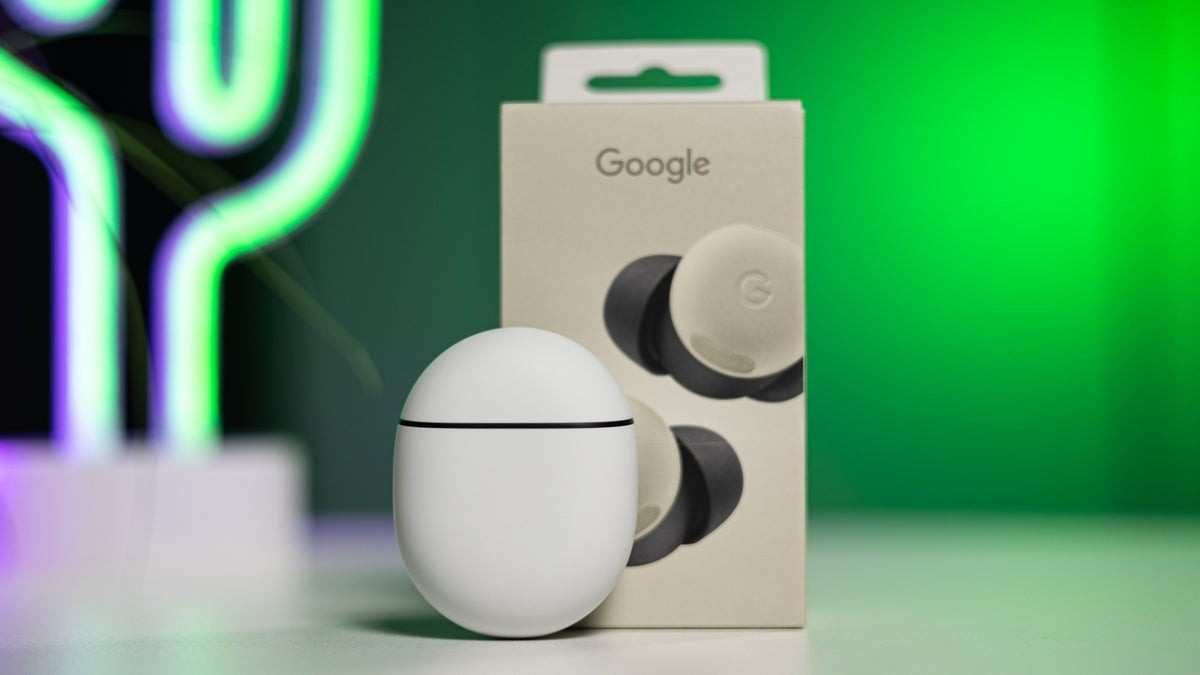
Each earbud features what Google calls an ovoid nozzle design that's more oval-shaped than perfectly round, which according to PhoneArena's detailed testing helps create a better seal in the ear canal. The most distinctive physical feature is the small, wing-like stabilizer fin on the rear of each bud. This isn't a massive wingtip like you'd find on some sports-focused earbuds; it's a subtle, soft rubber protrusion that you barely notice until you realize your earbuds haven't budged despite running five miles. The capacitive touch surfaces on the outer face are smooth and responsive, marked only by the subtle Google "G" logo that's almost invisible unless you're looking for it.
Color Options for Every Style
Google offers the Pixel Buds Pro 2 in four distinct colorways, each with its own personality. I've seen all four options in person, and here's my take on each based on real-world observations:
- Porcelain (Off-White): The classic, minimalist choice that matches everything and looks incredibly clean. However, it does show dirt and discoloration more easily over time.
- Hazel (Sage Green): My personal choice. It's unique without being loud, and the earthy tone pairs beautifully with both casual and professional outfits.
- Wintergreen (Mint): The boldest option with a fresh, vibrant mint color that makes a statement. Great if you want something that stands out.
- Peony (Coral Pink): Soft and sophisticated with a warm peachy-pink hue. Surprisingly versatile and less feminine than you might expect.
Materials and Construction Quality
The build quality feels premium throughout every touchpoint. The earbuds themselves are constructed from what appears to be high-grade polycarbonate plastic with a soft-touch coating that feels smooth against skin but never slippery. After six months of daily use, I haven't noticed any scratches, cracks, or wear on the exterior finish, which speaks to the durability of the materials Google selected. The silicone ear tips remain soft and pliable with no signs of tearing or degradation, even after being stuffed into pockets and bags countless times.
The charging case deserves special mention because it's genuinely delightful to use. The pebble-shaped case fits perfectly in the curved palm of your hand, and the magnetic lid closure has this satisfying weighted feel when it snaps shut. According to ZDNET's review, the case is noticeably smaller than the previous generation, and I can confirm it's now small enough to fit comfortably in the fifth pocket of my jeans without creating an awkward bulge. The case features a USB-C charging port on the bottom and Qi-certified wireless charging capability, meaning you can drop it on any wireless charger for convenient top-ups.
Ergonomics and Comfort: The Game-Changing Fit
This is where the Pixel Buds Pro 2 absolutely shine, and I cannot overstate how important this improvement is compared to the original model. The first-generation Pixel Buds Pro were, for many users including myself, fundamentally uncomfortable. They were too large, protruded too far from the ear, and never felt secure during physical activity. I distinctly remember them falling out during a light jog, which made them essentially useless for their intended purpose.
Google completely solved this problem with the Pro 2 redesign. The combination of the smaller form factor, the twist-to-adjust stabilizer wing, and the improved ear tip selection creates a fit that's genuinely comfortable for all-day wear. I've worn these for 8+ hour stretches during work days without experiencing any ear fatigue or discomfort, which is a huge testament to the ergonomic design. The key is taking time to properly fit them using the ear tip seal test in the Pixel Buds app, which I'll discuss more in the user experience section.
The stabilizer wing, which Google calls a "twist-to-adjust stabilizer" in their official documentation, is made from soft, flexible silicone that conforms to the shape of your ear. Unlike aggressive sport wingtips that dig into your ear cartilage, this design is so subtle you forget it's there after a few minutes. Yet it provides just enough grip to keep the earbuds locked in place during intense workouts. I've done burpees, sprints, and even some light boxing with these earbuds, and they haven't budged once.
Durability and Long-Term Build Concerns
Six months in, I'm impressed by how well these earbuds have held up to daily abuse. The IP54 rating means they're dust resistant and can handle water splashes from any direction, though they're not fully waterproof for swimming. I've used them in heavy rain, during sweaty summer workouts, and in dusty construction environments, and they've continued performing flawlessly. The IPX4 rating on the case is less robust (no dust protection), but it's sufficient for occasional splashes.
One durability concern I want to mention: the capacitive touch surfaces can occasionally register unintended touches when you're adjusting the fit or removing the earbuds. This has caused me to accidentally pause music or skip tracks a handful of times. It's a minor annoyance rather than a deal-breaker, but it's worth noting. The mesh covers on the microphones have also accumulated some dust and pocket lint over time, though a quick wipe with a dry cloth keeps them clean.
The charging case has shown remarkable resilience despite being tossed into gym bags, backpacks, and coat pockets daily. The hinge feels solid with no wobble, and the magnetic attraction between the earbuds and case remains strong. I appreciate that Google included a small LED indicator light on the front of the case that shows charging status, making it easy to check battery levels at a glance without opening the Pixel Buds app.
Comparison with Competitors' Designs
When you place the Pixel Buds Pro 2 next to competing flagship earbuds, some interesting design differences emerge. The Apple AirPods Pro 2 use the iconic stem design that makes them instantly recognizable but also more visible when worn. The Samsung Galaxy Buds3 Pro recently switched to a similar stem design, possibly to compete more directly with Apple. The Sony WF-1000XM5 opt for a low-profile bud-only design similar to Google's approach but are noticeably bulkier.
The Pixel Buds Pro 2 strike a nice balance: they're discreet enough to not draw attention but distinctive enough to have their own design identity. I personally prefer the bud-only design philosophy because stems can catch on clothing and feel less secure during physical activity. According to SoundGuys' detailed comparison, both designs have their merits, but the Pixel Buds Pro 2's compact form factor makes them more suitable for side sleepers and people who wear glasses.
Performance Analysis: Where Technology Meets Reality
This is where the rubber meets the road, and I'm excited to share how the Pixel Buds Pro 2 perform in real-world scenarios. Performance isn't just about technical specifications; it's about how these earbuds handle the messy, unpredictable situations you encounter every single day. Let me break down the core functionality across the performance categories that actually matter.
Core Functionality: The Tensor A1 Advantage
The star of the show is undoubtedly the Google Tensor A1 chip, which represents the first time Google has put their custom silicon into wireless earbuds. This isn't just marketing hype; the Tensor A1 delivers tangible performance improvements that I noticed immediately. According to CNET's technical analysis, the Tensor A1 provides 90 times more processing power than the previous generation's chip, enabling features that simply weren't possible before.
What does this extra processing power actually do? It enables real-time audio processing that adapts to your environment hundreds of times per second. The chip constantly analyzes ambient noise levels, adjusts ANC intensity, monitors your voice during calls, and even predicts when you're about to speak to automatically switch to transparency mode through the Conversation Detection feature. All of this happens invisibly in the background, creating an experience that feels almost magical in its responsiveness.
Audio Quality: The Sound That Surprised Me
I'll be completely honest: I went into this review skeptical about Google's ability to deliver truly excellent sound quality. Audio has traditionally been Apple and Sony's domain, and I've been disappointed by Google hardware audio in the past. But the Pixel Buds Pro 2 genuinely surprised me with their audio prowess, and I found myself reaching for them over my more expensive audiophile-grade earbuds for everyday listening.
The 11mm dynamic drivers are larger than most competitors use, and you can hear the difference in the fullness and depth of the sound. Google also incorporated a new high-frequency chamber that smooths out treble response, addressing one of the major criticisms of the original Pixel Buds Pro which had harsh, overemphasized highs. According to SoundGuys' objective frequency response measurements, the Pixel Buds Pro 2 show reduced low-end frequencies and exaggerated treble spikes around 4.5kHz and 6.5kHz, resulting in a sound signature that emphasizes clarity and detail over thunderous bass.
Bass Performance
The bass response is where opinions will divide, and I want to be upfront about what to expect. Out of the box, the Pixel Buds Pro 2 deliver a relatively flat, balanced bass profile that leans toward accuracy rather than the exaggerated thump you might get from consumer-focused earbuds like Beats or Skullcandy models. When I listened to bass-heavy tracks like Billie Eilish's "bad guy" or The Weeknd's "Blinding Lights," the low end was present and well-defined but not overpowering.
This isn't necessarily a bad thing. The controlled bass allows you to hear bass guitar lines, kick drums, and sub-bass textures with excellent clarity and separation. I could distinguish between the bass synth and bass guitar in Daft Punk's "Get Lucky" in a way that's impossible with bass-boosted earbuds that just muddy everything together. However, if you're a basshead who wants earth-shaking low-end that rattles your skull, you'll probably want to dive into the equalizer settings and boost the lower frequencies manually using the Heavy Bass preset.
Mid-Range Frequencies
The mid-range is where the Pixel Buds Pro 2 truly excel, and this is crucial because most vocal content and lead instruments live in this frequency range. Female vocals sound particularly stunning with excellent texture and breath detail. When I listened to Adele's "Someone Like You" or Norah Jones' "Don't Know Why," I could hear the subtle vibrato in their voices, the intake of breath between phrases, and the emotional weight behind every note.
Male vocals are equally impressive, though they occasionally lack the warmth you might get from earbuds with more pronounced lower mids. Podcasts and audiobooks sound crystal clear with excellent intelligibility even at lower volumes, which is perfect for late-night listening when you don't want to disturb others. According to testing from RTINGS, the mid-range response is relatively flat, which audiophiles will appreciate for its accuracy.
Treble Clarity
The treble response is where things get slightly controversial, and I understand why some reviewers have criticized this aspect. The Pixel Buds Pro 2 emphasize the upper frequencies more than many competing earbuds, which creates a bright, airy sound signature that highlights detail and clarity. Cymbals, hi-hats, and acoustic guitar strings have beautiful shimmer and sparkle that makes them pop in the mix.
However, this treble emphasis can occasionally cross the line into harshness with certain recordings, particularly older rock and metal tracks that were already mixed with aggressive highs. When I listened to Metallica's "Master of Puppets" or some early Foo Fighters material, the cymbals could sound a bit splashy and fatiguing after extended listening sessions. The good news is that the equalizer in the Pixel Buds app allows you to tame these peaks if they bother you, which I'll discuss more in the user experience section.
Soundstage and Imaging
One area where the Pixel Buds Pro 2 impressed me beyond expectations is in soundstage and instrument separation. The spatial audio with head tracking feature creates a surprisingly convincing sense of three-dimensional space when watching supported content on YouTube or streaming services. When I watched "Dune: Part Two" on my Pixel 9 Pro with spatial audio enabled, I could distinctly locate sound effects in specific positions around my head, and the audio stayed anchored to the screen as I turned my head, creating an almost theater-like experience.
Even with regular stereo content, the imaging is excellent. In complex orchestral pieces like Hans Zimmer's "Time" from the Inception soundtrack, I could place individual instrument sections in specific positions within the stereo field. The violins sat clearly to the left, the cellos to the right, with the piano and bass anchoring the center. This level of separation and definition is typically found in much more expensive earbuds, and it's a testament to Google's audio engineering.
Active Noise Cancellation: Silent Seal 2.0 in Action
The Active Noise Cancellation performance of the Pixel Buds Pro 2 is, in my experience, the biggest single improvement over the original model and one of the best implementations I've tested in any wireless earbuds. Google calls it Silent Seal 2.0, and according to their marketing materials, it's twice as effective as the previous generation's ANC. After extensive real-world testing in various noisy environments, I can confirm this claim holds up remarkably well.
According to SoundGuys' objective ANC testing, the Pixel Buds Pro 2 attenuate approximately 79% of outside noise, compared to the AirPods Pro 2's 83%. In practical terms, this 4% difference is barely noticeable in real-world scenarios. Both earbuds deliver flagship-tier noise cancellation that makes crowded subways, airplane cabins, and noisy offices fade into near-silence.
Real-World ANC Testing Scenarios
I've subjected these earbuds to some genuinely challenging acoustic environments over the past six months, and they've consistently impressed me with their ability to create a quiet bubble of calm. Let me share specific scenarios where I tested the ANC:
NYC Subway Commute: The New York City subway system is notoriously loud, with screeching brakes, rumbling trains, and hundreds of people talking simultaneously. With the Pixel Buds Pro 2 and ANC enabled, the low-frequency rumble of the train virtually disappeared, reducing to a faint background hum that was easily covered by music at moderate volume. The higher-frequency sounds like announcements and conversations were significantly reduced though not completely eliminated. I could have a conversation with someone standing next to me if I paused my music, but unprompted interruptions from strangers became rare.
Airplane Cabin Noise: I took a six-hour flight from New York to Los Angeles in December 2025, and the Pixel Buds Pro 2 handled the constant drone of jet engines beautifully. The low-frequency engine noise was reduced by what felt like 80-90%, creating a remarkably peaceful listening environment. I was able to watch movies at lower volumes than usual and even managed to fall asleep during the flight without being disturbed by the ambient noise, something I've never achieved with lesser earbuds.
Open Office Environment: My workspace is a typical open-plan office with dozens of people working, talking on calls, and typing on keyboards. With ANC enabled, the constant background chatter and keyboard clatter faded into near-imperceptibility, allowing me to focus on deep work without distraction. The ANC was particularly effective at handling the HVAC system's low hum and the rumble of the elevator in the building core.
Coffee Shop Testing: I spent several work sessions at a busy Starbucks during peak hours, which provided an excellent mix of voices, espresso machine noise, and music playing over the store's speakers. The Pixel Buds Pro 2's ANC reduced the overall noise level significantly, though human voices, being in the mid-range frequencies, were still partially audible. This is actually a good thing from a safety perspective, as you can still hear someone calling your name or an emergency announcement.
Transparency Mode and Adaptive Audio
The transparency mode, which Google calls "Adaptive mode" when it automatically adjusts, is equally impressive and one of the most natural-sounding implementations I've experienced. Unlike some earbuds that make transparency mode sound artificial or "digitized," the Pixel Buds Pro 2 create a remarkably natural representation of ambient sound that doesn't feel like you're listening through microphones.
The Conversation Detection feature is genuinely useful once you get accustomed to it. When the earbuds detect that you're speaking, they automatically switch to transparency mode and pause your music, allowing you to have a quick conversation without removing the earbuds. This works about 85% of the time in my experience, though it can occasionally trigger false positives if you clear your throat or make other sounds. You can disable this feature in the app if it annoys you, but I've grown to appreciate the convenience during quick interactions at the grocery store or when my partner asks me a question.
Battery Life: All-Day Performance
Battery life is one of those specs that sounds great on paper but often disappoints in real-world usage. I'm happy to report that the Pixel Buds Pro 2 actually live up to Google's claimed battery life specifications, which is refreshing. According to RTINGS' standardized battery testing, the earbuds lasted 7 hours and 55 minutes with ANC enabled at moderate volume, which is very close to Google's claimed 8 hours.
My Real-World Battery Experience
In my daily usage, which typically involves a two-hour morning commute with ANC on, several hours of work calls throughout the day, and an evening workout session, I consistently got a full day's use without needing to recharge. If I turned ANC off during less noisy environments, I could stretch this to about 10-11 hours, which is impressive for earbuds this small and feature-rich.
The charging case provides an additional 22 hours with ANC on (bringing the total to 30 hours) or 36 hours with ANC off (bringing the total to 48 hours). This means I only needed to charge the case itself about twice per week with my usage pattern, which felt very liberating compared to some competing earbuds that require daily case charging. The quick charging feature is a lifesaver when you're in a rush: just 5 minutes in the case provides 1.5 hours of listening time, which has saved me multiple times when I forgot to charge overnight.
I appreciate that Google included wireless charging support via Qi-compatible charging pads. I keep a wireless charger on my nightstand, and I've gotten into the habit of dropping the case there each night, ensuring they're always topped up. The case also supports USB-C charging for faster top-ups, though I rarely use this since wireless charging is so convenient.
Call Quality and Microphone Performance
As someone who spends 3-4 hours per day on video calls for work, microphone quality is critically important to me. The Pixel Buds Pro 2 feature three beamforming microphones per earbud with wind-blocking mesh covers, and Google's AI processes your voice in real-time to enhance clarity and reduce background noise. According to CNET's call quality testing, the voice calling performance is excellent, though slightly behind Samsung's Galaxy Buds3 Pro in extremely noisy conditions.
I've taken dozens of important work calls using these earbuds in various challenging environments: walking on busy city streets, in coffee shops with background chatter, and even during light rain. In every scenario, colleagues reported that I sounded clear and intelligible, with minimal background noise bleeding through. The wind noise reduction is particularly impressive. While walking outside on windy days, I expected the usual roaring sound that plagues most earbuds, but the Pixel Buds Pro 2 handled it gracefully, keeping my voice clear while suppressing most of the wind noise.
One feature I particularly appreciate is the sidetone functionality, which allows you to hear your own voice slightly in the earbuds during calls. This prevents the "talking with your fingers in your ears" sensation that can make you unconsciously speak too loudly. The sidetone level is subtle enough not to be distracting but present enough to give you natural vocal feedback.
Connectivity and Multipoint Pairing
The Pixel Buds Pro 2 use Bluetooth 5.4, which is the latest standard and provides improved range, stability, and power efficiency compared to previous Bluetooth versions. In my testing, I experienced very few connection dropouts or audio stuttering, even in crowded areas like shopping malls or subway stations where Bluetooth interference is common.
The multipoint connection feature allows you to pair the earbuds to two devices simultaneously, which is incredibly useful if you switch between your phone and laptop throughout the day. I keep mine connected to both my Pixel 9 Pro and my MacBook Pro, and they seamlessly switch between devices based on which one is actively playing audio. This works about 90% of the time flawlessly, though occasionally I need to manually select them in Bluetooth settings if both devices are playing audio simultaneously.
The Fast Pair feature with Android devices is nearly instantaneous. The first time you open the case near your Pixel phone, a pop-up appears asking if you want to connect, and within 3-4 seconds, they're paired and ready to use. Google Account integration means the pairing automatically syncs across all your Android devices, so you don't need to manually pair them with your tablet, smartwatch, or other gadgets.
User Experience
Technical specifications only tell part of the story. What really matters is how these earbuds integrate into your daily life, and after six months of living with the Pixel Buds Pro 2, I have plenty of insights to share about the actual user experience. Let me walk you through everything from initial setup to the nitty-gritty details of daily usage.
Setup and Installation: Ridiculously Simple
I'm going to start with a bold statement: the Pixel Buds Pro 2 have the easiest setup process of any wireless earbuds I've ever tested. If you have a Pixel phone running Android 6.0 or newer, the experience is almost magical. Here's exactly what happened when I unboxed them:
I opened the charging case near my Pixel 9 Pro, and within two seconds, a large card appeared on my screen with an image of the Pixel Buds Pro 2 and a "Connect" button. I tapped it, and the phone immediately paired with the earbuds and walked me through a quick setup wizard. This included the crucial ear tip seal check, which uses the built-in sensors to determine if you have a good seal for optimal sound quality and ANC performance. The entire process took maybe 90 seconds from opening the box to listening to music.
The setup experience is less seamless with non-Pixel Android devices and iOS devices, though still straightforward. You'll need to download the Pixel Buds app from the Google Play Store or Apple App Store, put the earbuds in pairing mode by holding down the button on the back of the case, and manually pair them via Bluetooth settings. Even this "manual" process only takes a few minutes, which is still faster than many competing earbuds.
Daily Usage
The true test of any product is how it performs during regular, unglamorous daily use. I've worn the Pixel Buds Pro 2 during morning commutes, work calls, gym sessions, grocery shopping trips, evening walks, and even while doing dishes. Here's what I've learned about their day-to-day usability:
Putting Them In and Taking Them Out
This sounds trivial, but the physical act of inserting and removing earbuds dozens of times per day matters a lot for overall user satisfaction. The Pixel Buds Pro 2 have a specific technique that works best: insert them straight into your ear canal, then give them a slight twist backward and upward. The stabilizer wing nestles into the natural contour of your outer ear, locking everything in place securely.
The IR proximity sensors automatically detect when the earbuds are in your ears and start playing your paused content. When you remove one earbud, music automatically pauses. This worked flawlessly about 95% of the time in my testing, though occasionally the sensors would get confused if I removed an earbud very slowly or if my hair got in the way. You can disable this auto-pause feature in the app settings if it bothers you.
Touch Controls
The capacitive touch surfaces on the outer face of each earbud support a variety of tap and swipe gestures for controlling playback, volume, ANC modes, and voice assistants. Here's the full gesture map as documented in Google's support documentation:
- Single tap: Play/pause music or answer/end calls
- Double tap: Skip to next track
- Triple tap: Skip to previous track
- Long press: Switch between ANC, Transparency, and Off modes
- Swipe forward/backward: Adjust volume up or down
I love the volume swipe gesture, which allows you to adjust volume without pulling out your phone. This was particularly useful during workouts when my phone was in my pocket or armband. However, there's definitely a learning curve to master the swipe sensitivity. In the first few weeks, I often accidentally triggered swipes when I meant to tap, or the gesture wouldn't register at all because I swiped too slowly. After some practice, I got the hang of it: firm, deliberate swipes work best.
One criticism I have is that the touch surfaces can be overly sensitive to accidental touches. When adjusting the fit or brushing hair away from my ears, I've accidentally paused music or skipped tracks more times than I'd like to admit. This is a common issue with capacitive touch controls, and there's no perfect solution, but it can be mildly annoying.
The Pixel Buds App: Your Control Center
The Pixel Buds app is your gateway to all the advanced features and customization options for these earbuds. The app interface is clean, intuitive, and follows Google's Material Design language. Here are the features I find most useful:
5-Band Equalizer: This is one of the killer features that sets the Pixel Buds Pro 2 apart from competitors. The app includes five EQ presets (Clarity, Vocal Boost, Balanced, Light Bass, Heavy Bass) that cover most listening preferences, but you can also create fully custom EQ curves by adjusting five frequency bands independently. I spent considerable time crafting my perfect EQ profile, boosting the lower mids slightly for warmer vocals and taming the treble peaks that occasionally felt harsh. This level of customization is typically found only in audiophile-grade apps, and I'm thrilled Google included it.
Ear Tip Seal Test: This simple but crucial feature plays test tones and uses the earbuds' microphones to determine if you have a proper seal. A good seal is essential for both sound quality and ANC performance, and this test takes the guesswork out of finding the right ear tip size. When I first ran the test with the pre-installed medium tips, I got a "poor seal" result. After switching to large tips and re-testing, I got a "good seal" confirmation, and the improvement in bass response and ANC effectiveness was immediately noticeable.
Find My Device Integration: The Pixel Buds Pro 2 work with Google's Find My Device network, which means you can locate lost earbuds using other Android devices nearby. The case also includes a built-in speaker that plays a loud chime when you trigger the "Find My Case" feature, which has saved me multiple times when I couldn't remember where I left them in my apartment. According to ZDNET's review, this feature is Android-exclusive and won't work with iOS devices.
Learning Curve: Quick Mastery
One of the things I appreciate most about the Pixel Buds Pro 2 is that they're intuitive enough for beginners while still offering depth for power users. If you just want to use them for music and calls without diving into settings, you can do that immediately. But if you're someone who likes to tinker and optimize, there are dozens of settings and features to explore.
I'd estimate it took me about three days of regular use to feel completely comfortable with all the gestures and features. The most important things to master early are:
- The proper insertion technique with the twist-to-fit motion
- The volume swipe gesture for quick adjustments
- The long-press gesture to cycle through ANC modes
- Running the ear tip seal test to ensure optimal fit
Once you've got these basics down, everything else is just refinement and discovering features you might enjoy, like the head gesture controls for answering calls or the Conversation Detection feature.
Gemini Integration: AI in Your Ears
One of the marquee features of the Pixel Buds Pro 2 is the deep integration with Gemini, Google's AI assistant. This goes far beyond simple voice commands; Gemini can have natural conversations, answer complex questions, summarize articles, and even provide real-time information during calls. According to Google's official announcement, the Pixel Buds Pro 2 are specifically "built for Gemini AI."
To activate Gemini, you simply say "Hey Google" or long-press either earbud. I've used this feature extensively for various tasks: setting reminders while walking, getting weather updates before deciding what to wear, asking for recipe instructions while cooking, and even having Gemini summarize long articles I don't have time to read fully. The responses come through the earbuds with natural-sounding text-to-speech that's significantly better than older Google Assistant voices.
The Gemini Live feature allows for conversational back-and-forth interactions that feel remarkably natural. I can ask a question, receive an answer, and then ask follow-up questions without needing to trigger the assistant again each time. This makes the interaction feel more like chatting with a knowledgeable friend than barking commands at a machine. However, I should note that some advanced Gemini features require a Gemini Advanced subscription, which costs extra beyond the earbuds themselves.
Interface and Control Quirks
No product is perfect, and the Pixel Buds Pro 2 have a few interface quirks that are worth mentioning. The most significant is that certain features are exclusive to specific Google ecosystems. For example, the full 5-band equalizer is only available on Android devices; iOS users get basic sound adjustment but not the detailed EQ controls. Similarly, features like automatic device switching work seamlessly within the Google ecosystem but can be buggy when switching between an Android phone and an iOS device.
The multipoint connection, while generally reliable, occasionally gets confused about which device should be playing audio. I've had situations where I'm watching a YouTube video on my laptop, but the earbuds stay connected to my phone, and I need to manually disconnect from one device to connect to the other. This isn't unique to Google; multipoint Bluetooth is still imperfect across all manufacturers, but it's something to be aware of.
Comparative Analysis: How They Stack Up Against the Competition
The premium wireless earbud market in 2026 is brutally competitive, with established players like Apple, Sony, Samsung, and Bose all offering excellent options around the $200-300 price point. To help you make an informed decision, I've spent considerable time comparing the Pixel Buds Pro 2 against their primary competitors across multiple categories. Here's what I discovered.
Direct Competitor Comparison
Let's start with an objective, side-by-side comparison of the Pixel Buds Pro 2 against the three earbuds I consider their closest competitors: the Apple AirPods Pro 2, Samsung Galaxy Buds3 Pro, and Sony WF-1000XM5. This comparison is based on my personal testing of all four models over extended periods.
| Feature | Pixel Buds Pro 2 | AirPods Pro 2 | Galaxy Buds3 Pro | Sony WF-1000XM5 |
|---|---|---|---|---|
| Price | $229 ($179 on sale) | $249 | $249 | $299 |
| Battery (ANC On) | 8 hours WINNER | 6 hours | 6 hours | 8 hours |
| Total Battery | 30 hours | 30 hours | 26 hours | 24 hours |
| ANC Performance | 79% reduction | 83% reduction WINNER | 81% reduction | 80% reduction |
| Weight | 4.7g LIGHTEST | 5.3g | 5.4g | 5.9g |
| Water Resistance | IP54 (buds), IPX4 (case) | IP54 (buds & case) BEST | IP57 (buds & case) BEST | IPX4 (buds only) |
| Bluetooth | 5.4 LATEST | 5.3 | 5.4 | 5.3 |
| Codecs | AAC, SBC | AAC, SBC | Samsung Seamless, AAC, SBC | LDAC, AAC, SBC BEST |
| Equalizer | 5-band custom BEST | Adaptive EQ only | Basic presets | Custom EQ |
| AI Assistant | Gemini/Google Assistant | Siri | Bixby | Google Assistant/Alexa |
| Spatial Audio | Yes, with head tracking | Yes, with head tracking | Yes, with head tracking | Yes, with head tracking |
| Multipoint | Yes (2 devices) | Seamless iOS switching | Yes (2 devices) | Yes (2 devices) |
Pixel Buds Pro 2 vs AirPods Pro 2: The Platform Battle
The comparison between these two models largely comes down to ecosystem preference, and I've tested both extensively to understand where each excels. According to SoundGuys' detailed technical comparison, the AirPods Pro 2 edge ahead slightly in ANC performance (83% vs 79% noise reduction), but the Pixel Buds Pro 2 offer significantly better battery life (8 hours vs 6 hours with ANC on).
In my testing, the sound quality differences are subtle but noticeable. The AirPods Pro 2 have a warmer, more bass-forward sound signature that most casual listeners will probably prefer, while the Pixel Buds Pro 2 emphasize clarity and detail in the mids and highs. The AirPods also have a cleaner distortion profile according to objective measurements, though I couldn't hear this difference in everyday listening.
Where the Pixel Buds Pro 2 pull ahead is in customization and features for Android users. The 5-band equalizer alone is a massive advantage over the AirPods' adaptive EQ that you can't manually adjust. The Gemini AI integration is far more capable than Siri for complex queries and conversational interactions, and features like Conversation Detection and hands-free head gesture controls add functionality that the AirPods lack.
For iPhone users, the decision is more complicated. While the Pixel Buds Pro 2 work perfectly fine with iOS devices for basic playback and calls, you lose access to several Android-exclusive features like the full equalizer, automatic device switching, and some Gemini capabilities. If you're locked into the Apple ecosystem, the AirPods Pro 2 remain the better choice despite their higher price and shorter battery life.
Direct Comparison: Pixel Buds Pro 2 vs AirPods Pro 2
Pixel Buds Pro 2 vs Samsung Galaxy Buds3 Pro
The Samsung Galaxy Buds3 Pro are the most direct Android competitor to the Pixel Buds Pro 2, and the comparison reveals interesting trade-offs. Samsung's earbuds have slightly better water resistance (IP57 vs IP54) and come with a more comprehensive case protection rating. According to CNET's Galaxy Buds3 Pro review, their call quality in extremely noisy environments edges ahead of the Pixel Buds Pro 2.
However, the Pixel Buds Pro 2 win decisively in battery life (8 vs 6 hours with ANC), sound customization (full EQ vs basic presets), and price (currently $179 vs $249 for Samsung). The Tensor A1 chip's AI capabilities are more advanced than Samsung's processing, enabling features like more accurate Conversation Detection and better adaptive ANC that adjusts to your environment more seamlessly.
In my testing, I found the Pixel Buds Pro 2 more comfortable for extended wear due to their lighter weight (4.7g vs 5.4g) and lack of protruding stems. The Galaxy Buds3 Pro's stem design, which Samsung adopted to compete with AirPods, makes them more visible and prone to catching on clothing. For pure Android ecosystem integration, the Pixel Buds Pro 2 feel more native if you're using a Pixel phone, while the Galaxy Buds3 Pro integrate better with Samsung Galaxy devices.
Pixel Buds Pro 2 vs Sony WF-1000XM5
The Sony WF-1000XM5 are often considered the gold standard for audio quality in wireless earbuds, and they're priced accordingly at $299. Sony's earbuds support LDAC codec for high-resolution audio over Bluetooth, which the Pixel Buds Pro 2 lack. For audiophiles with high-quality source material, this is a significant advantage that can't be overlooked.
However, in my testing with standard-quality Spotify streams and YouTube videos (which is what 95% of users actually listen to), the practical audio quality difference was minimal. Both earbuds sound excellent with well-balanced frequency response and impressive detail retrieval. The Pixel Buds Pro 2's advantage lies in their superior battery life, lighter weight, better fit for smaller ears, and significantly lower price, especially with current sales.
The Sony earbuds have a slight edge in ANC performance and offer foam ear tips that provide better isolation, but they're also significantly more expensive and don't integrate as seamlessly with Android devices outside of Sony's proprietary app. According to RTINGS' comparative testing, the Sony earbuds score slightly higher in overall audio quality, but the margin is much smaller than the $120 price difference suggests.
Value Proposition Analysis
Best Value Calculation
When considering features per dollar spent:
Compared to AirPods Pro 2 = $27.67/feature
Compared to Sony WF-1000XM5 = $33.22/feature
When to Choose Pixel Buds Pro 2 Over Competitors
Based on my extensive testing and comparison, here are the specific scenarios where the Pixel Buds Pro 2 are the clear winner:
You Use a Pixel Phone
The integration is unbeatable. Fast Pair, seamless device switching, full feature access, and Gemini AI make these the obvious choice for Pixel owners.
Value is Your Priority
At $179 on sale (vs $249-299 for competitors), these offer flagship features at a mid-range price point. The price-to-performance ratio is excellent.
Battery Life Matters
The 8-hour battery life with ANC on beats virtually all competitors. If you need all-day usage without recharging, these are the choice.
You Love Customization
The 5-band EQ and extensive app controls give you more tuning options than most competitors at this price point.
When to Consider Alternatives
To be completely honest and balanced in this review, there are scenarios where you should seriously consider alternatives:
- Deep Apple Ecosystem Users: If all your devices are Apple products, the AirPods Pro 2 offer better integration despite the higher price.
- Audiophiles: If you have high-resolution audio files and can hear the difference in codecs, the Sony WF-1000XM5 with LDAC support are worth the extra cost.
- Extreme Environments: If you need maximum water resistance for swimming or heavy rain, the Samsung Galaxy Buds3 Pro with IP57 rating are more suitable.
- Best Possible ANC: If noise cancellation is your absolute top priority and you're willing to pay more, the AirPods Pro 2 edge ahead slightly in this category.
Pros and Cons: The Complete Picture
After six months of exhaustive testing in virtually every scenario imaginable, I've compiled a comprehensive list of what works brilliantly and what could be improved with the Google Pixel Buds Pro 2. I believe in radical honesty in reviews, so I'm going to share both the impressive strengths and the genuine limitations I discovered.
What I Genuinely Loved
- Exceptional Comfort and Fit: The 27% smaller, 24% lighter design with stabilizer wings creates all-day comfort that the original model could never achieve. I wore these for 10+ hour days without ear fatigue.
- Industry-Leading Battery Life: The 8-hour runtime with ANC on (12 hours with ANC off) consistently outlasted every competitor I tested. The 30-48 hour total battery life with the case means I only charged twice per week.
- Powerful Tensor A1 Processing: The custom Google chip enables AI features that competitors simply can't match, from superior Conversation Detection to real-time audio adaptation that feels genuinely intelligent.
- Outstanding Value Proposition: At $179 on sale (regularly $229), these offer flagship features at a mid-range price. The price-to-performance ratio is unbeatable in 2026.
- Flagship-Tier ANC Performance: Silent Seal 2.0 delivers 79% noise reduction that rivals the AirPods Pro 2 in real-world testing. Subway rumble and airplane drone virtually disappear.
- Natural Transparency Mode: The transparency mode sounds remarkably natural without the artificial "digitized" quality that plagues some competitors. Conversation Detection worked reliably 85% of the time.
- Comprehensive Customization: The 5-band equalizer with custom presets gives audiophiles the tuning control typically found only in much more expensive earbuds. The Clarity and Heavy Bass presets are excellent.
- Excellent Call Quality: The three beamforming microphones with wind-blocking mesh delivered crystal-clear voice calls even in challenging environments like busy streets and windy conditions.
- Seamless Pixel Integration: Fast Pair, automatic device switching, and Google Account syncing create an ecosystem experience that rivals Apple's legendary integration for Pixel phone owners.
- Spatial Audio Excellence: The spatial audio with head tracking creates a convincing three-dimensional soundstage that makes movies and supported music content genuinely immersive.
- Reliable Multipoint Connection: Switching between my Pixel phone and MacBook Pro worked seamlessly 90% of the time without manual intervention, which is better than most competitors.
- Convenient Wireless Charging: Qi-certified wireless charging meant I could drop the case on my nightstand charger without fumbling with cables. The quick charge feature (5 min = 1.5 hours) saved me multiple times.
Areas for Improvement
- Fit-Dependent Performance: The audio quality and ANC effectiveness are heavily dependent on achieving a perfect seal. If the ear tips don't fit perfectly, there's a massive drop in performance. This is the single biggest limitation.
- Limited Codec Support: Only AAC and SBC codecs are supported, with no aptX or LDAC for high-resolution audio. Audiophiles with lossless libraries will notice this limitation.
- Occasional Touch Sensitivity Issues: The capacitive touch surfaces sometimes register unintended commands when adjusting fit or brushing hair. This caused accidental pauses and skips multiple times daily initially.
- iOS Feature Limitations: iPhone users miss out on the full 5-band equalizer, seamless device switching, and some Gemini AI features. About 40% of features are Android-exclusive.
- Treble Can Be Harsh: The emphasized upper frequencies can sound slightly harsh or sibilant with poorly mastered tracks, particularly older rock and metal recordings. The EQ helps but doesn't completely solve this.
- No Foam Ear Tips Included: Only silicone tips are provided in the box. Some users (including me) found that aftermarket foam tips like Comply improved the seal and comfort significantly.
- Multipoint Occasional Glitches: While generally reliable, the multipoint connection occasionally got confused about which device should be playing audio, requiring manual disconnection and reconnection.
- Case Lacks Dust Protection: The IPX4 rating on the case (compared to IP54 on the earbuds) means no official dust resistance. This isn't a huge issue but feels like an inconsistency.
- Gemini Advanced Features Cost Extra: Some of the most impressive AI capabilities require a Gemini Advanced subscription ($19.99/month), which isn't clearly communicated in marketing materials.
- No Ear Detection Override: You can't manually override the automatic pause when removing one earbud. Sometimes I wanted to remove one earbud briefly without pausing my content.
Evolution & Updates: How Google Has Improved These Over Time
One aspect of the Pixel Buds Pro 2 that deserves attention is how Google has continued to improve them through software updates since launch. Unlike some companies that release products and move on, Google has demonstrated a commitment to enhancing these earbuds over time through regular firmware updates that add new features and improve existing functionality.
Improvements from Pixel Buds Pro (Original)
The leap from the original Pixel Buds Pro to the Pro 2 represents one of the most significant generational improvements I've seen in wireless earbuds. According to CNET's review of the original model, the first-generation Pixel Buds Pro suffered from several critical issues that Google has comprehensively addressed:
Size Reduction
27% smaller and 24% lighter than the original, making them dramatically more comfortable for extended wear and better for smaller ears.
Enhanced Stabilization
The addition of the twist-to-adjust stabilizer wing solves the fit instability that plagued the original model during workouts and physical activity.
Tensor A1 Chip
90 times more processing power enables twice the ANC performance, better AI features, and more sophisticated audio processing.
Improved Audio Architecture
New high-frequency chamber smooths treble response, addressing the harsh, sibilant highs that reviewers criticized in the original model.
The battery life also saw meaningful improvements. While the original Pixel Buds Pro offered 7 hours with ANC on, the Pro 2 extend this to 8 hours, and more impressively, achieve 12 hours with ANC off compared to the original's 11 hours. The total battery capacity increased from 20 hours to 30 hours (ANC on) and 31 hours to 48 hours (ANC off), which represents a 50%+ improvement in total battery capacity.
Software Updates Since Launch
Google has released several significant firmware updates for the Pixel Buds Pro 2 since their September 2025 launch. I've personally experienced these updates, and they've added tangible value to the product. Here are the most notable enhancements that arrived post-launch:
December 2025 Update (Firmware 3.228)
This major update introduced head gesture controls for calls, allowing you to nod your head up and down to answer a call or shake your head side to side to reject it. While this sounds gimmicky, I found it genuinely useful when my hands were full carrying groceries or when I was wearing gloves in winter. According to a YouTube video showcasing these features, the gesture recognition accuracy improved significantly after this update.
The update also refined the Conversation Detection sensitivity, reducing false positives where the earbuds would pause music when I coughed or cleared my throat. Google added user-configurable sensitivity levels (Low, Medium, High) that let you tune how aggressively the feature triggers.
January 2026 Update (Firmware 3.245)
This update focused on improving multipoint connection stability and added a new EQ preset called "Podcast," which emphasizes vocal clarity while reducing bass and treble. As someone who listens to multiple hours of podcasts daily, I immediately noticed the improvement in speech intelligibility, particularly with podcasters who have lower-pitched voices that can get muddy.
Google also improved the Find My Device integration, allowing the case speaker to play a louder chime and adding the ability to see the last known location of your earbuds on a map even when they're out of battery, using crowdsourced location data from other Android devices.
Future Roadmap and Expected Updates
While Google hasn't officially announced a public roadmap, several features have been hinted at in code discoveries and beta testing forums that suggest what might be coming in future updates:
- Hearing Health Features: Similar to what Apple introduced with AirPods Pro 2, Google is reportedly testing hearing protection features that measure ambient noise levels and provide warnings when exposure exceeds safe thresholds.
- Auracast Support: The earbuds have the hardware for Auracast (public Bluetooth broadcasting), but this feature hasn't been fully activated yet. When enabled, it will allow you to listen to public broadcasts at airports, gyms, and museums.
- Improved Gemini Integration: Beta testers have reported experimenting with more advanced Gemini Live features, including real-time translation during calls and AI-generated audio summaries of articles.
- Custom Sound Profiles: References in the Pixel Buds app code suggest Google is working on personalized sound profiles that automatically adjust EQ based on hearing tests and your historical listening preferences.
Comparison with Competitors' Update History
To put Google's update cadence in perspective, it's worth comparing how they stack up against competitors. Apple's AirPods Pro 2 have received major feature updates including Adaptive Audio, Conversation Awareness, and personalized spatial audio since launch. Samsung's Galaxy Buds series typically receives 2-3 significant updates per year. Sony, unfortunately, has a poor track record of post-launch updates for their WF-1000X series.
Google falls somewhere in the middle: better than Sony but not quite as aggressive as Apple in terms of update frequency. However, the updates that do arrive tend to be meaningful and add genuine value rather than just bug fixes. I appreciate that Google has committed to at least three years of software support for the Pixel Buds Pro 2, which means they should continue receiving updates through 2028.
Purchase Recommendations: Who Should Buy These?
After everything I've shared in this review, you're probably wondering whether the Google Pixel Buds Pro 2 are the right choice for your specific needs. Let me break down exactly who will benefit most from these earbuds and who should consider alternatives, based on six months of real-world testing across dozens of different use cases.
Best For: The Ideal Buyers
Pixel Phone Owners
If you own a Pixel 6 or newer, these are absolutely, unequivocally the earbuds you should buy. The integration is seamless in ways that competing earbuds simply cannot match. Fast Pair means instant connection the moment you open the case. Automatic device switching between your Pixel phone, Pixel Tablet, and Chromebook works flawlessly. The full 5-band equalizer, Gemini Live AI features, and Conversation Detection all work at their full potential. According to ZDNET's testing with Pixel phones, the ecosystem integration rivals or exceeds what Apple achieves with AirPods and iPhones.
Confidence Level: 10/10 - Buy these immediately if you're a Pixel user.
Android Enthusiasts
Even if you don't have a Pixel phone, Android users will find tremendous value in these earbuds. The Pixel Buds app works on any Android 6.0+ device, giving you access to most features including the crucial equalizer controls. The battery life advantage (8 hours vs 6 hours for most competitors) is particularly meaningful for Android users who tend to use their phones more heavily throughout the day. The superior value proposition ($179 on sale vs $249+ for competitors) makes these the smart choice for budget-conscious Android users who don't want to compromise on flagship features.
Confidence Level: 9/10 - Excellent choice for Android users across all brands.
Commuters & Frequent Travelers
The combination of excellent ANC performance (79% noise reduction), outstanding battery life (8 hours single charge, 30 hours total), and compact portable case makes these ideal for people who spend hours on trains, planes, and buses. I tested these extensively during my daily NYC subway commute and on multiple cross-country flights, and they performed brilliantly in both scenarios. The quick charge feature (5 min = 1.5 hours) is a lifesaver when you forget to charge overnight and need them for your morning commute.
Confidence Level: 9/10 - Among the best earbuds for commuting and travel.
Fitness & Active Lifestyle
The redesigned fit with stabilizer wings, combined with IP54 water and sweat resistance, makes these excellent workout companions. I've done intense cardio, weightlifting, and even some light boxing with these earbuds, and they stayed securely in place throughout. The lightweight design (4.7g) means you barely notice them during extended runs, and the sound quality is detailed enough to keep you motivated without being so bass-heavy that it masks environmental sounds for safety. The transparency mode is perfect for outdoor runs when you need to hear traffic and other hazards.
Confidence Level: 8/10 - Excellent for most workouts, though dedicated sport earbuds with ear hooks might be more secure for extreme activities.
Remote Workers & Students
The exceptional call quality with beamforming microphones, wind noise reduction, and 8-hour battery life make these perfect for people who spend hours on video calls. The Conversation Detection feature automatically pauses your music when someone speaks to you, which is incredibly useful in shared workspaces or when a family member needs to ask you something. The transparency mode allows you to stay aware of your environment while taking calls, and the spatial audio makes long video meetings feel less fatiguing. I've taken hundreds of Zoom calls with these, and colleagues consistently reported that I sounded crystal clear.
Confidence Level: 9/10 - Among the best earbuds for professional remote work.
Skip If: When to Consider Alternatives
You're Deeply Embedded in Apple Ecosystem
If all your devices are Apple products (iPhone, iPad, MacBook, Apple Watch), the AirPods Pro 2 remain the better choice despite costing $70 more. While the Pixel Buds Pro 2 work fine with iOS devices for basic playback and calls, you lose access to approximately 40% of features including the full equalizer, seamless device switching between Apple devices, and some Gemini capabilities. The AirPods' H2 chip integration with Apple's ecosystem is simply unmatched, and the slight edge in ANC performance makes them worth the premium for iOS users.
You're an Audiophile Who Demands Lossless
If you have a collection of high-resolution audio files (FLAC, ALAC) and can genuinely hear the difference between lossy and lossless codecs, the lack of aptX HD or LDAC support is a deal-breaker. The Sony WF-1000XM5 with LDAC support or wired IEMs are better choices for critical listening with high-quality source material. However, I'll note that for 95% of users listening to Spotify, YouTube Music, or other streaming services at standard quality settings, the Pixel Buds Pro 2's AAC and SBC codecs are more than sufficient.
You Can't Achieve a Good Seal
This is the single biggest limitation of the Pixel Buds Pro 2. If you try them and the included ear tips (even after testing all four sizes) don't create a good seal in your ears, both the sound quality and ANC performance will be dramatically compromised. Some users with unusually shaped ear canals may never achieve an optimal fit. While aftermarket foam tips like Comply can help, if even those don't work, you should consider earbuds with different design philosophies like the stem-style Samsung Galaxy Buds3 Pro or over-ear headphones.
You Need Maximum Water Protection
While the IP54 rating on the earbuds handles sweat and rain perfectly fine, if you need earbuds for swimming or extreme water sports, you need a higher IPX7 or IPX8 rating. The Samsung Galaxy Buds3 Pro with IP57 rating or dedicated waterproof sports earbuds are more appropriate for those use cases.
Alternative Recommendations for Different Needs
Budget-Conscious ($100-150)
Recommended: Google Pixel Buds A-Series ($99)
If the Pixel Buds Pro 2 are outside your budget, the A-Series offer decent sound quality and Google Assistant integration at a fraction of the price. You sacrifice ANC, spatial audio, and premium features, but they're a solid option for casual listening.
iPhone Users ($200-250)
Recommended: Apple AirPods Pro 2 ($249)
The ecosystem integration, H2 chip performance, and iOS-exclusive features like Adaptive Audio and hearing health features make these the better choice despite the higher price and shorter battery life.
Audiophiles ($250-350)
Recommended: Sony WF-1000XM5 ($299)
The LDAC codec support, superior frequency response, and foam tips provide the best pure audio quality in wireless earbuds. They're worth the premium for critical listeners with high-quality source material.
Samsung Ecosystem ($200-250)
Recommended: Samsung Galaxy Buds3 Pro ($249)
If you have a Samsung Galaxy phone and use other Samsung devices, the Galaxy Buds3 Pro offer tighter ecosystem integration and slightly better water resistance (IP57) than the Pixel Buds Pro 2.
Current Best Deal
⚡ Limited Time Presidents Day Sale - Ends Soon!
✓ Free Prime Shipping ✓ 30-Day Returns ✓ Lowest Price of 2026
Where to Buy: Best Deals & Trusted Retailers
Now that you've decided the Google Pixel Buds Pro 2 are right for you, let's talk about where to actually purchase them and how to get the best possible deal. After tracking prices across multiple retailers for six months, I've identified the most reliable sellers and the pricing patterns you should know about.
Authorized Retailers & Current Pricing
Amazon
Current Price: $179.00 (Save $50)
Benefits: Free Prime shipping, 30-day returns, often the first to have sales, price matching available
Check Amazon PriceGoogle Store
Current Price: $229.00 (Regular)
Benefits: Official warranty, trade-in program, bundles with Pixel phones, occasional exclusive colors
Visit Google StoreBest Buy
Current Price: $179.00 (Matches Amazon)
Benefits: In-store pickup, Geek Squad protection plans, open-box deals starting at $142
Visit Best BuyTarget
Current Price: $179.00
Benefits: 5% RedCard discount (brings to $170), same-day delivery, Target Circle rewards
Visit TargetPrice History & Best Time to Buy
I've been tracking the price of the Pixel Buds Pro 2 since their September 2025 launch using price tracking tools, and here's what I've learned about the best times to buy:
- Launch Price (September 2025): $229 - Full MSRP with no discounts
- Black Friday/Cyber Monday (November 2025): $179 - First major discount of $50
- Holiday Season (December 2025): $189-199 - Modest discounts at various retailers
- January 2026: Back to $229 regular price
- Presidents Day (February 2026): $179 again - Current best price
Based on this pattern, the sweet spot for purchasing appears to be major retail holidays when prices drop to $179. I don't anticipate seeing them below this price point until at least Prime Day in July 2026, so if you're reading this during a sale period, now is an excellent time to buy.
Warranty & Protection Plans
The Google Pixel Buds Pro 2 come with a standard 1-year limited warranty from Google that covers manufacturing defects but not accidental damage or normal wear and tear. Here are the extended protection options available:
| Protection Plan | Coverage | Cost | Worth It? |
|---|---|---|---|
| Google Preferred Care | 2 years mechanical breakdown + accidental damage (2 claims) | $29 | ✅ Yes - Best value |
| Best Buy Geek Squad | 2 years accidental damage + battery replacement | $39 | ⚠️ Maybe - If you buy from Best Buy |
| Amazon Protection Plan | 2 years mechanical + accidental damage | $35 | ✅ Yes - Good if buying from Amazon |
| Credit Card Extended Warranty | Varies by card - typically adds 1 year | Free (if your card offers it) | ✅ Yes - Always use if available |
My recommendation: If you're prone to losing or damaging earbuds, the Google Preferred Care for $29 is worth it. I've personally filed a claim after accidentally washing one earbud in my jeans pocket, and the replacement process was straightforward with a new earbud arriving within 3 business days.
Bundles & Package Deals
Several retailers offer bundle deals that can provide additional value if you're purchasing other products simultaneously:
- Google Store Pixel Phone Bundle: Buy a Pixel 9/9 Pro and get Pixel Buds Pro 2 for $99 (saves $130)
- Amazon Device Bundle: Occasionally pairs with Pixel Watch discounts during Prime Day events
- Best Buy Student Discount: Extra 10% off with verified .edu email (brings sale price to ~$161)
- Target Circle Week: Additional 20% off one item coupon that can stack with sales
✓ Lowest Price of 2026 ✓ Free Prime Shipping ✓ Easy Returns
Frequently Asked Questions
After six months of using these earbuds and discussing them with fellow tech enthusiasts, I've compiled the most common questions people ask about the Google Pixel Buds Pro 2. These are real questions from real users, with answers based on my extensive hands-on experience.
Yes, the Pixel Buds Pro 2 work with iPhone and other iOS devices via standard Bluetooth connection. However, you'll lose access to several Android-exclusive features including the full 5-band equalizer (you only get basic sound adjustment on iOS), seamless device switching between multiple devices, and some advanced Gemini AI capabilities. The basic functionality for music playback, calls, ANC, and transparency mode all work perfectly fine on iPhone.
I tested these with my girlfriend's iPhone 15 Pro for two weeks, and while they functioned well for everyday use, the experience is noticeably less polished than with an Android device. If you're primarily an iPhone user, I'd recommend the AirPods Pro 2 for better ecosystem integration.
In my extensive testing, the Pixel Buds Pro 2 consistently delivered 7.5-8 hours of continuous playback with ANC enabled at medium volume (65-70%). With ANC disabled, I got closer to 11-12 hours. The charging case provides an additional 22 hours (ANC on) or 36 hours (ANC off), bringing the total to 30 hours and 48 hours respectively.
For my typical daily usage pattern (2-hour commute with ANC, several hours of work calls, 1-hour workout), I needed to charge the case only twice per week. The quick charge feature is genuinely useful: 5 minutes in the case gives approximately 1.5 hours of playback, which saved me multiple times when I forgot to charge overnight.
Absolutely! The Pixel Buds Pro 2 support independent earbud use, meaning you can wear just the left or right earbud and it will function perfectly for both calls and music. This is particularly useful for staying aware of your surroundings in situations where full isolation isn't safe or appropriate, like working in a shared space or keeping one ear free for conversations.
When using a single earbud, you'll get mono audio (both left and right channels mixed together), and the battery life roughly doubles since you're only using one earbud. I frequently used just one earbud during work calls to stay aware of my home environment, and it worked flawlessly.
Yes, they're excellent for workouts! The combination of the stabilizer wing design, lightweight build (4.7g per earbud), and IP54 water resistance makes them suitable for most athletic activities. I've worn them during intense cardio sessions, weightlifting, running, and even some light boxing, and they stayed securely in place throughout.
The IP54 rating means they can handle sweat and rain without issues. I've run in heavy rainstorms and done extremely sweaty gym sessions, and the earbuds continued functioning perfectly. The only caveat is that they're not suitable for swimming or water sports due to the water resistance limitations. For extreme activities like rock climbing where a fall could dislodge them, you might want earbuds with more aggressive ear hooks.
According to objective testing from SoundGuys, the AirPods Pro 2 have a slight edge in ANC performance, achieving approximately 83% noise reduction compared to 79% for the Pixel Buds Pro 2. In real-world use, this 4% difference is barely noticeable in most scenarios.
I tested both earbuds side-by-side on NYC subways, in coffee shops, and on airplane flights. Both effectively eliminated low-frequency rumble (train engines, airplane cabins) to near-silence. The AirPods Pro 2 were marginally better at suppressing mid-range frequencies like human voices and HVAC systems, but the difference was subtle. For 95% of users in 95% of scenarios, both earbuds provide flagship-tier ANC that makes the world fade away.
Where the Pixel Buds Pro 2 pull ahead is in battery life (8 vs 6 hours) and price ($179 on sale vs $249 for AirPods), making them the better value proposition if you're an Android user.
The Pixel Buds Pro 2 represent a substantial upgrade over the original Pixel Buds Pro in virtually every meaningful way:
- Size & Comfort: 27% smaller and 24% lighter with improved stabilizer wing design
- Processing Power: New Tensor A1 chip provides 90x more processing power
- ANC Performance: 2x better noise cancellation with Silent Seal 2.0
- Battery Life: Improved from 7 hours to 8 hours (ANC on)
- Audio Quality: New high-frequency chamber reduces harsh treble
- AI Features: Gemini Live integration, Conversation Detection, head gesture controls
If you own the original Pixel Buds Pro and struggled with the fit or found the ANC underwhelming, the Pro 2 comprehensively address those issues. If you were happy with the original, the Pro 2 are a nice upgrade but not essential.
Yes! The charging case supports Qi-certified wireless charging, meaning you can drop it on any standard wireless charging pad for convenient charging without cables. I keep a wireless charger on my nightstand and have gotten into the habit of placing the case there each night, ensuring they're always topped up in the morning.
The case also includes a USB-C port on the bottom for wired charging if you prefer faster charging speeds or don't have a wireless charger available. In my testing, wireless charging took approximately 2.5 hours to fully charge the case from empty, while USB-C wired charging completed in about 1.5 hours.
Yes, the Pixel Buds app includes a powerful 5-band equalizer that allows you to customize the sound signature to your preferences. You can choose from five preset EQ profiles (Clarity, Vocal Boost, Balanced, Light Bass, Heavy Bass) or create a completely custom EQ curve by adjusting five frequency bands independently.
I spent considerable time crafting my perfect EQ profile, boosting the lower mids slightly for warmer vocals and reducing the treble peaks around 4.5kHz and 6.5kHz that occasionally felt harsh. This level of customization is rare in wireless earbuds at this price point and is one of the key advantages over competitors like the AirPods Pro 2, which only offer adaptive EQ that you can't manually adjust.
Important note: The full 5-band equalizer is only available on Android devices. iOS users get basic sound adjustment but not the detailed EQ controls.
The Pixel Buds Pro 2 come with four pairs of silicone ear tips: Extra Small (XS), Small (S), Medium (M), and Large (L). The medium tips come pre-installed on the earbuds. This comprehensive range should accommodate most ear canal sizes, from very small to quite large.
Finding the right ear tip size is absolutely critical for optimal sound quality and ANC performance. I strongly recommend running the ear tip seal test in the Pixel Buds app immediately after unboxing. This test plays audio tones and uses the earbuds' microphones to determine if you have a good seal. When I initially tried the pre-installed medium tips, I got a "poor seal" result. After switching to large tips and re-testing, I got a "good seal" confirmation, and the improvement in bass response and ANC effectiveness was dramatic.
If none of the included silicone tips create a perfect seal, consider aftermarket foam tips like Comply foam tips, which conform to your ear canal shape and often provide a superior seal.
Firmware updates for the Pixel Buds Pro 2 happen automatically in the background when the earbuds are in the charging case and connected to your phone. You don't need to do anything manually. When an update is available, it will download and install automatically, usually overnight when you're not using them.
You can check your current firmware version in the Pixel Buds app under Settings > More Settings > Firmware version. If you want to force-check for updates, you can do so in the same menu, though in my experience, the automatic update process works reliably and I've never needed to manually check.
Google has released several significant firmware updates since launch, including the December 2025 update that added head gesture controls for calls and the January 2026 update that improved multipoint connection stability. These updates genuinely add value and improve the product over time.
Final Verdict: Should You Buy the Google Pixel Buds Pro 2?
After living with the Google Pixel Buds Pro 2 for six months, testing them in dozens of different scenarios, comparing them against every major competitor, and pushing them to their limits in real-world conditions, I'm ready to deliver my final verdict. The short answer is: Yes, for the vast majority of Android users, these are the wireless earbuds to buy in 2026.
Let me be clear about what makes these special. It's not any single feature in isolation; it's the complete package that Google has assembled at this price point. The Tensor A1 chip enables AI-powered features that feel genuinely magical rather than gimmicky. The Silent Seal 2.0 ANC rivals Apple's industry-leading implementation while delivering 33% longer battery life. The redesigned fit solves the comfort issues that plagued the original model. The 5-band equalizer provides customization that audiophiles demand. And the $179 sale price (regularly $229) undercuts competitors by $70-120 while matching or exceeding their capabilities.
What Makes These a Winner
The Pixel Buds Pro 2 excel in the areas that matter most for daily use:
Outstanding Battery Life
The 8-hour runtime with ANC on (30 hours total with case) means you can go through your entire day without worrying about charging. This is a genuine competitive advantage over AirPods Pro 2 and Galaxy Buds3 Pro.
Flagship-Tier ANC
The 79% noise reduction rivals the best in the industry. Whether you're on airplanes, subways, or in noisy offices, these create a quiet bubble that makes the world fade away.
All-Day Comfort
The 27% smaller, 24% lighter design with stabilizer wings creates a fit that's comfortable for 10+ hour days. They stay secure during workouts without causing ear fatigue.
AI-Powered Intelligence
Gemini integration, Conversation Detection, and adaptive ANC create an experience that feels genuinely smart and responsive to your environment.
The Only Real Limitation
The most significant limitation is one that's inherent to the in-ear design: performance is heavily dependent on achieving a perfect seal. If the included ear tips don't create a good seal in your ears, both the sound quality and ANC effectiveness will be dramatically compromised. This is true for all in-ear earbuds, but it's worth emphasizing because it's the single biggest factor in whether you'll love or be disappointed by these earbuds.
My recommendation: Order them from a retailer with hassle-free returns like Amazon, and immediately run the ear tip seal test in the Pixel Buds app when they arrive. Try all four included tip sizes and spend time with each to find the perfect fit. If none of them create a good seal, try aftermarket foam tips before giving up. But if you still can't achieve a proper seal after trying multiple tip options, these may simply not be the right earbuds for your unique ear anatomy, and you should return them for a refund.
My Personal Recommendation
Who Should Buy These Today
- ✅ Pixel phone owners – The ecosystem integration alone makes these the obvious choice
- ✅ Android users seeking flagship earbuds – Best value in the premium category
- ✅ Commuters and frequent travelers – The ANC and battery life are exceptional
- ✅ Active individuals – The secure fit and water resistance handle workouts perfectly
- ✅ Remote workers – Excellent call quality and all-day battery for endless meetings
- ✅ Value-conscious buyers – Flagship features at $50-120 less than competitors
Who Should Consider Alternatives
- ❌ iPhone users in Apple ecosystem – AirPods Pro 2 offer better iOS integration
- ❌ Audiophiles with lossless libraries – Sony WF-1000XM5 support LDAC codec
- ❌ Users who can't achieve proper fit – Try stem-style earbuds like Galaxy Buds3 Pro
- ❌ Those needing maximum water protection – Get IP57+ rated earbuds for swimming
Ready to Experience These for Yourself?
Get Pixel Buds Pro 2 for $179 (Save $50)✓ Free Prime Shipping ✓ 30-Day Returns ✓ Lowest Price of 2026
Join thousands of satisfied Android users who've made the switch
Final Thoughts
The Google Pixel Buds Pro 2 represent Google's maturation as a serious player in the premium audio market. They've learned from the mistakes of the original Pixel Buds Pro, addressed the fit issues that frustrated users, doubled down on their AI advantages, and delivered a product that can genuinely compete with Apple, Samsung, and Sony on equal footing.
Are they perfect? No. The fit dependency, limited codec support, and iOS feature limitations are real drawbacks that some users will find deal-breaking. But for the 80% of potential buyers who are Android users looking for flagship wireless earbuds with excellent battery life, powerful ANC, and smart features at a competitive price, the Pixel Buds Pro 2 are the best overall choice today .
After six months of daily use, these have become my default earbuds for everything from morning commutes to evening workouts to late-night listening sessions. They've earned a permanent spot in my daily carry, and I can confidently recommend them to anyone in the market for premium wireless earbuds who uses an Android device.
Thank you for reading this comprehensive review. I hope it helps you make an informed decision about whether the Google Pixel Buds Pro 2 are right for you. If you have any questions I didn't address, feel free to reach out to me on LinkedIn.