




Why is Generation Z choosing wired headphones over wireless options?
The Quick Answer
Generation Z is returning to wired headphones due to superior sound quality, sustainability concerns, affordability, and fashion appeal. The global wired headphones market reached $44.86 billion in 2024, driven by Gen Z's rejection of battery anxiety, desire for lossless audio, and embrace of Y2K nostalgia. Celebrities like Lily-Rose Depp and Bella Hadid have turned the dangling white wire into a fashion statement, while practical benefits like zero charging and plug-and-play simplicity make wired headphones genuinely superior for many use cases.
Explore Different Perspectives
After a decade of wireless dominance, wired headphones are experiencing a remarkable comeback among Generation Z. This isn't just nostalgia—it's a calculated rejection of the limitations built into wireless technology. Young consumers are increasingly frustrated with battery anxiety, Bluetooth connectivity issues, and the planned obsolescence inherent in wireless earbuds that become e-waste after 2-3 years when batteries degrade.
The trend gained momentum in 2025, with market research showing the global wired headphones market reaching $44.86 billion. Gen Z's embrace of wired audio represents a broader cultural shift toward valuing reliability, sustainability, and authenticity over convenience. The simple act of plugging in headphones has become a statement: I choose quality over hype, function over fashion (ironically becoming fashionable itself), and longevity over disposability.
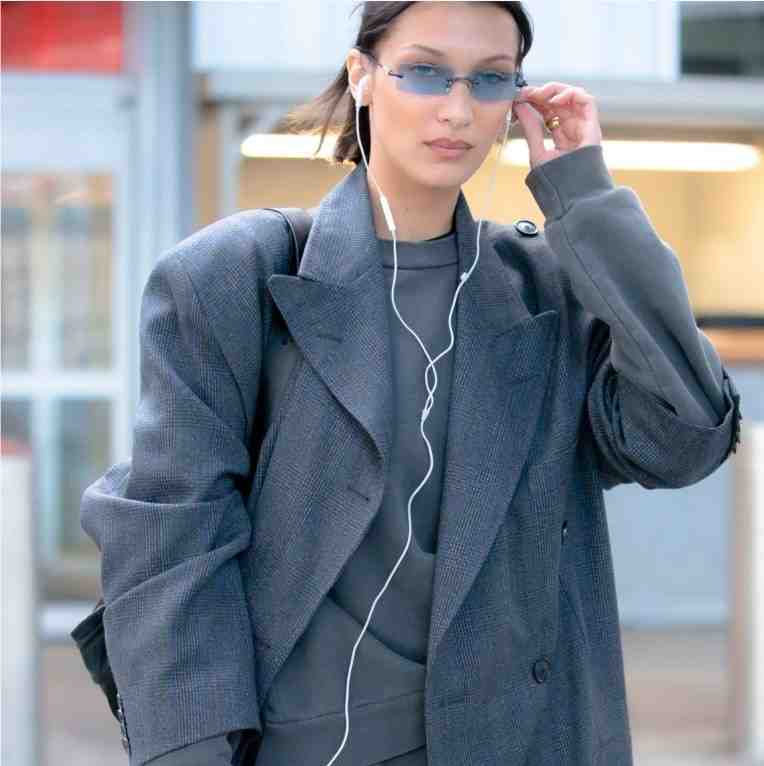
Wired headphones have become the hottest accessory of 2025, transforming from "outdated tech" to must-have fashion item practically overnight. The catalyst? Celebrity endorsements and social media visibility. When stars like Lily-Rose Depp, Bella Hadid, and Paul Mescal were photographed with dangling white wires, Gen Z took notice. The Instagram account "wireditgirls" now has a massive following dedicated to cataloging this trend.
The aesthetic appeal taps into Y2K nostalgia—the era when iPods and tangled white EarPod cables were ubiquitous. For Gen Z, who never fully experienced that era, it represents a vintage cool similar to film cameras or vinyl records. The visible wire itself becomes a fashion statement, a deliberate choice to stand out from the AirPods-wearing masses. It signals that you're not just another tech consumer following trends, but someone who makes intentional choices about technology and style.
For audiophiles and music enthusiasts, the return to wired headphones is about uncompromising sound quality. Bluetooth wireless audio requires compression using codecs like AAC or aptX, which strip away audio data to fit wireless bandwidth limitations. This compression removes subtle details, harmonics, and dynamic range that define high-fidelity listening experiences.
Wired connections deliver lossless, bit-perfect audio directly from the source—critical for high-resolution audio formats and streaming services like Tidal, Qobuz, and Apple Music Lossless. Professional audio engineers and music producers exclusively use wired monitoring for critical listening because wireless simply cannot match the accuracy. Latency is another crucial factor—wired headphones have zero audio delay, essential for gaming, video editing, and any scenario where audio-video synchronization matters. For Gen Z creators, gamers, and music lovers who prioritize sonic excellence, wired is the only serious option.
Environmental consciousness is a defining value for Gen Z, and wired headphones align perfectly with sustainability goals. Wireless earbuds contain lithium-ion batteries that degrade after 2-3 years and are typically non-replaceable, turning the entire device into e-waste. The production of these batteries requires mining rare earth minerals, contributing to environmental destruction and generating substantial carbon emissions.
In contrast, wired headphones have no batteries and can last a decade or longer with proper care. They're simpler in construction, easier to repair, and generate far less electronic waste. Gen Z consumers recognize that the "convenient" wireless lifestyle comes with hidden environmental costs. By choosing wired headphones, they're making a tangible statement against planned obsolescence and the throwaway culture that tech companies have normalized. For a generation facing climate change consequences, this isn't just about audio—it's about taking personal responsibility for reducing waste and consumption.
Beyond fashion and philosophy, wired headphones simply work better in many everyday situations. There's no battery to charge, no Bluetooth pairing frustration, no connectivity dropouts, and no compatibility issues across devices. The plug-and-play reliability is liberating—you never experience the modern anxiety of reaching for wireless earbuds only to discover they're dead.
For gaming enthusiasts, the zero-latency audio is non-negotiable for competitive play. For frequent video call users, wired headphones eliminate the uncanny audio-video desynchronization that makes Zoom meetings exhausting. You also can't lose wired headphones the way countless people have lost individual wireless earbuds (studies show 45% of wireless earbud owners have lost at least one). The cable that was once considered a "drawback" is now seen as a practical tether that prevents loss, provides consistent power, and delivers superior audio—all without the mental overhead of managing another device's battery life.
The price difference is staggering and impossible to ignore. Apple's standard EarPods cost $17, while AirPods Pro retail for $249—that's more than 13 times the price. Even basic AirPods at $129 cost 7x more than wired alternatives. For budget-conscious Gen Z consumers, especially college students managing tight finances, this isn't a minor consideration.
The value proposition extends beyond initial cost. Wired headphones have zero ongoing expenses—no replacement needed when batteries die, no charging accessories to buy. Over a 5-year period, a person might spend $17 once on wired Apple EarPods versus potentially $500+ replacing multiple generations of wireless earbuds as batteries degrade. Quality wired options from brands like Sennheiser or Audio-Technica in the $30-80 range often match or exceed the sound quality of $200+ wireless models. For a generation facing student debt, rising costs, and economic uncertainty, choosing wired headphones is both a smart financial decision and a rejection of the premium pricing on wireless tech that artificially inflates costs through proprietary ecosystems.
Supporting Evidence
Frequently Asked Questions
Wired headphones are experiencing a major revival among Gen Z for multiple compelling reasons. First, they represent a rejection of the constant connectivity culture—no Bluetooth pairing, no battery anxiety, just plug and play. Second, they've become a fashion statement endorsed by celebrities like Lily-Rose Depp, Bella Hadid, Harry Styles, and Paul Mescal, making them Instagram-worthy accessories.
Third, Gen Z values sustainability, and wired headphones produce significantly less e-waste since they don't contain batteries that degrade over time. Fourth, at prices like $17 for Apple EarPods versus $249 for AirPods Pro, they're dramatically more affordable. Finally, they tap into Y2K nostalgia, bringing back the aesthetic of tangled white wires that defined the early 2000s iPod era. This trend reflects Gen Z's broader pushback against planned obsolescence and minimalist tech culture.
Yes, wired headphones objectively deliver superior sound quality compared to wireless options in most cases. This advantage comes from fundamental technical differences: wired connections transmit uncompressed audio directly through the cable, while Bluetooth wireless audio requires compression using codecs like AAC or aptX, which reduces data to fit wireless bandwidth limitations.
This compression removes subtle details, harmonics, and dynamic range from the original recording. Wired headphones also avoid latency issues—the audio-video sync problems that plague wireless gaming and video calls. Audiophiles and music producers overwhelmingly prefer wired connections for critical listening. While high-end wireless headphones with advanced codecs like LDAC have narrowed the gap, wired connections remain the gold standard for lossless, bit-perfect audio reproduction, especially when paired with high-quality headphones and high-resolution audio formats.
The wired headphones trend has been heavily influenced by celebrity endorsements and paparazzi photos. Notable figures spotted with wired earbuds include Lily-Rose Depp (Johnny Depp's daughter and Chanel model), who's been photographed multiple times with white wired Apple EarPods, making them a signature part of her effortlessly cool aesthetic.
Model Bella Hadid has been seen sporting wired headphones during off-duty moments in New York City. British actor Paul Mescal, star of 'Normal People' and 'Aftersun,' has been photographed wearing wired earbuds, contributing to their 'indie sleaze' appeal. Singer Harry Styles has also been spotted with wired headphones, as has Apple Martin (daughter of Gwyneth Paltrow and Chris Martin). There's even a popular Instagram account called 'wireditgirls' dedicated to cataloging celebrities and influencers wearing wired headphones, which has become a cultural phenomenon documenting this fashion trend.
Wired headphones are significantly more sustainable and environmentally friendly than wireless alternatives. The key difference lies in battery technology: wireless earbuds contain lithium-ion batteries that typically last 2-3 years before degrading, at which point the entire device often becomes e-waste since batteries are usually non-replaceable. In contrast, wired headphones have no batteries, meaning they can last a decade or more with proper care.
The production of lithium-ion batteries requires mining rare earth minerals, contributes to environmental damage, and generates substantial carbon emissions. Additionally, wireless earbuds require regular charging, consuming electricity throughout their lifetime. When wireless earbuds reach end-of-life, the batteries pose disposal challenges and environmental hazards. Wired headphones, being simpler in construction with fewer electronic components, are easier to repair and recycle. For Gen Z consumers who prioritize environmental consciousness and fighting climate change, choosing wired headphones represents a tangible way to reduce their personal e-waste footprint.
The price difference between wired and wireless headphones is dramatic and represents one of the strongest practical arguments for the wired revival. Apple's standard EarPods with 3.5mm jack or USB-C connector cost just $17-19, while AirPods Pro (2nd generation) retail for $249—that's more than 13 times the price. Even basic AirPods start at $129, still 7 times the cost of wired EarPods.
For budget-conscious Gen Z consumers, especially college students, this price gap is significant. Quality wired earbuds from brands like Sennheiser, Audio-Technica, or Sony can be purchased for $30-80 and often match or exceed the sound quality of $200+ wireless options. Beyond the initial purchase price, wired headphones have zero ongoing costs—no replacement needed when batteries die, no charging cables to buy, no cases to replace. Over a 5-year period, a person might spend $17 once on wired EarPods versus potentially $500+ replacing multiple generations of wireless earbuds as batteries degrade.
Wireless headphones come with several significant drawbacks that have driven Gen Z back to wired options. First is battery anxiety—the constant need to monitor charge levels and remember to charge devices creates mental overhead. Batteries typically last only 4-8 hours per charge and degrade over time, reducing lifespan. Second is connectivity frustration: Bluetooth pairing can be finicky, with dropout issues, connection delays, and incompatibility across devices.
Third is latency—wireless audio has inherent delay that causes lip-sync issues in videos and lag in gaming. Fourth is the loss factor: small wireless earbuds are easily misplaced, with one study showing 45% of wireless earbud owners have lost at least one earbud. Fifth is e-waste: non-replaceable batteries mean the entire unit becomes trash after 2-3 years. Sixth is audio quality compromise due to Bluetooth compression. Seventh is cost—both initial purchase and replacement expenses. Finally, there are health concerns about long-term Bluetooth radiation exposure near the brain, though research is still ongoing.
Wired headphones have become both a fashion statement and practical choice simultaneously, which explains their powerful comeback. On the fashion front, they've evolved into a visible symbol of being 'anti-mainstream' and rejecting the AirPods-wearing masses. The dangling white cable has become an aesthetic choice associated with indie culture, artistic sensibility, and Y2K nostalgia. Fashion publications like Vogue and Cosmopolitan have covered the trend, noting how wired headphones photograph well and add a casual, effortless vibe to outfits.
However, the fashion appeal is reinforced by genuine practical benefits: superior sound quality, zero charging requirements, lower cost, better sustainability, and plug-and-play reliability. This dual nature—looking good while being functional—creates a rare convergence that drives adoption. Unlike purely aesthetic trends, this one has substance behind the style. Gen Z consumers appreciate that they can make an anti-consumerist fashion statement while actually getting a better, more reliable product that aligns with their environmental values and budget constraints.
Yes, wired headphones are objectively superior for gaming and video calls due to zero latency. Wireless Bluetooth connections introduce 100-300 milliseconds of audio delay, which creates noticeable lag between visuals and sound. In competitive gaming, this delay is unacceptable—hearing an enemy's footsteps 200ms late can mean the difference between winning and losing. Wired gaming headphones deliver instantaneous audio with zero latency, providing competitive advantage in FPS games, MOBAs, and battle royales.
For video calls on Zoom, Teams, or FaceTime, wireless latency causes audio-video desynchronization where voices don't match lip movements, creating an uncanny valley effect that's mentally taxing during long meetings. Wired connections eliminate this issue entirely. Additionally, wired headphones avoid Bluetooth interference problems in crowded environments like offices or dorm rooms where multiple wireless devices compete for bandwidth. Microphone quality is also typically better on wired headsets since they can dedicate more bandwidth to audio without Bluetooth compression. Professional streamers, esports players, and content creators overwhelmingly use wired audio equipment for these technical advantages.
