




Bone conduction headphones are generally considered safe for most users, operating without direct ear canal insertion, which can reduce risks associated with traditional in-ear devices like infection or hearing damage from excessive volume.
However, prolonged use at high volumes, even with bone conduction, still carries a theoretical risk of hearing fatigue or damage, particularly to the inner ear.
Key Takeaways
- SAFETY FIRST: Bone conduction headphones are often seen as a SAFER alternative to in-ear earbuds for situational awareness and avoiding ear canal issues.
- HEARING DAMAGE MYTHS: There’s NO scientific evidence that bone conduction headphones specifically cause hearing damage differently or more severely than airborne sound at equivalent volumes. The risk is primarily tied to volume, not conduction method.
- HEADACHE POTENTIAL: Some users report mild discomfort or headaches from the vibration, especially with prolonged use or improper fit, but this is typically temporary and not indicative of long-term harm.
- AWARENESS ADVANTAGE: Their open-ear design SIGNIFICANTLY improves situational awareness, making them ideal for outdoor activities like running or cycling, reducing accident risk.
- MEDICAL CONSIDERATIONS: They are often compatible with hearing aids and do not typically interfere with most medical devices, though users with specific implants should consult a doctor.
- NOT FOR EVERYONE: While generally safe, individuals with specific inner ear conditions or those highly sensitive to vibration might find them less comfortable.
- CHILD SAFETY: When used appropriately (lower volumes, supervised), bone conduction headphones are safe for children, especially as they prevent ear canal insertion.
- VOLUME MATTERS: Regardless of headphone type, maintaining MODERATE volume levels is the single most IMPORTANT factor for preventing hearing damage.
What Are Bone Conduction Headphones?
Bone conduction headphones are audio devices that transmit sound vibrations through the bones of your skull directly to your inner ear, bypassing your eardrums entirely.
Instead of sitting inside or over your ears, these headphones rest on your cheekbones, delivering sound in a fundamentally different way from traditional headphones. This unique design leaves your ear canals completely open, allowing you to hear ambient sounds alongside your audio.
How Bone Conduction Works
The principle behind bone conduction is elegantly simple yet effective:
- Transducers: Small transducers (speakers) within the headphone frame generate miniature vibrations.
- Bone Transmission: These vibrations are placed against the user’s cheekbones (or sometimes temples).
- Inner Ear Activation: The vibrations travel through the bone directly to the cochlea, the fluid-filled structure in your inner ear responsible for converting vibrations into nerve signals.
- Auditory Cortex: The cochlea sends these signals to the auditory nerve, which then transmits them to the brain’s auditory cortex, where they are interpreted as sound.
This bypasses the outer and middle ear structures, including the eardrum and ossicles (the tiny bones that amplify sound). This makes them particularly useful for individuals with certain types of hearing loss or for situations where situational awareness is CRITICAL.
Do Bone Conduction Headphones Cause Hearing Damage?
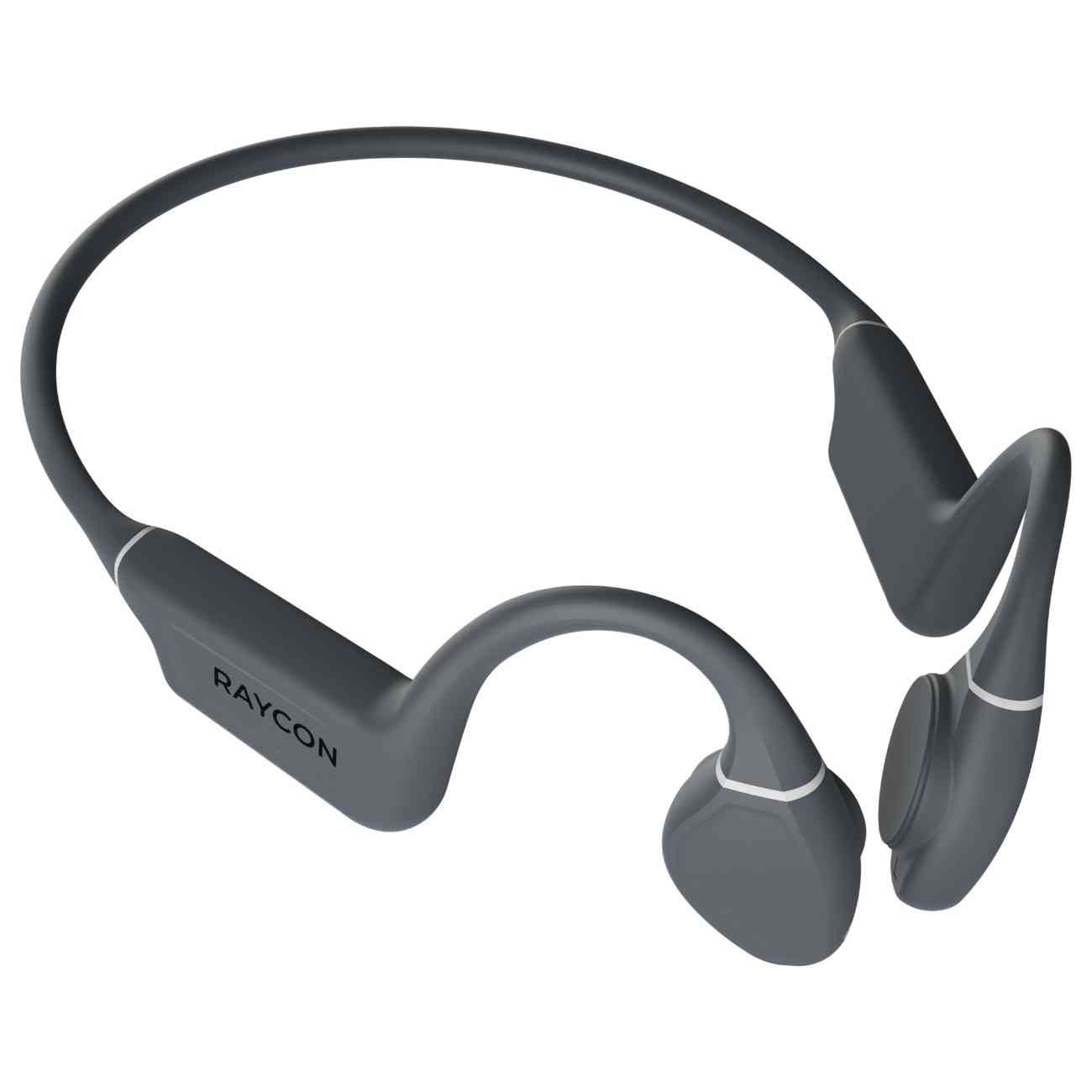
NO, bone conduction headphones do not inherently cause hearing damage any more than traditional headphones do; the primary factor for hearing damage remains excessive volume and prolonged exposure, regardless of how the sound reaches your inner ear.
The critical point is that bone conduction still stimulates the cochlea, and loud sounds, irrespective of their transmission path (airborne or bone-borne), can overwork and damage the delicate hair cells in the cochlea over time.
The Truth About Volume and Your Inner Ear
- Cochlear Overload: Whether sound waves travel through the air to your eardrum or through bone to your cochlea, the inner ear is still processing these vibrations. Sustained exposure to high decibel levels (above 85 dB for extended periods, according to the CDC and WHO guidelines) can lead to permanent noise-induced hearing loss.
- No Unique Mechanism for Damage: There is no scientific evidence suggesting that the mechanism of bone conduction itself introduces a new, specific type of hearing damage distinct from what air-conduction headphones can cause. The damage is to the inner ear, which is common to both.
- Decibel Levels Still Apply: Users should still adhere to safe listening practices:
- Keep the volume at a comfortable level, allowing you to hold a conversation without shouting over your music.
- Limit listening sessions at higher volumes. The “60/60 rule” (60% volume for no more than 60 minutes) is a good starting point, though individual tolerance varies.
- Consider headphones with volume limiters if you are concerned about accidental overexposure.
TechOzea Verdict: DON’T be misled by marketing hype claiming bone conduction is “totally safe” from hearing damage. While it avoids ear canal issues, it doesn’t bypass the fundamental risk of high volume damaging your inner ear. ALWAYS prioritize moderate listening levels.
Can Bone Conduction Headphones Give You a Headache?
Yes, some users report experiencing mild headaches or discomfort, particularly during initial use or extended listening sessions with bone conduction headphones, but this is typically temporary and not indicative of serious long-term health risks.
This sensation is usually attributed to the direct physical vibration against the skull and the pressure of the device on the head, rather than a specific auditory issue.
Understanding the Discomfort
- Vibrational Sensation: Unlike air-conducting headphones, bone conduction devices cause a tangible vibration against your head. For some, especially those sensitive to tactile input, this constant subtle buzz can be irritating or lead to a headache.
- Pressure and Fit: The fit of bone conduction headphones is crucial. If they are too tight or pressing too firmly against the cheekbones, the sustained pressure can cause discomfort, leading to tension headaches.
- Adaptation Period: Many first-time users require an adjustment period. What feels unusual initially often becomes less noticeable with continued use as your brain adapts to the new auditory input method.
- Volume Factor: High volumes amplify the physical vibrations, making discomfort more likely. If you’re experiencing headaches, try lowering the volume significantly.
Decision Rule: If you find the vibrations or pressure consistently causing discomfort, check the fit, reduce the volume, and take breaks. If headaches persist, bone conduction headphones might NOT be the right choice for you.
Are There Any Long-Term Health Risks with Bone Conduction Headphones?
Based on current scientific understanding and extensive use, there are no established unique long-term health risks specifically associated with the bone conduction technology itself beyond the general risks of prolonged high-volume audio exposure.
The primary concern, as with all audio devices, remains potential noise-induced hearing loss if used improperly at excessive volumes over extended periods.
What the Research Says (and Doesn’t Say)
- Lack of Evidence for Unique Harm: Major health organizations and scientific studies have not identified specific long-term issues like brain damage, nerve damage, or cancer linked to the low-frequency vibrations or electromagnetic fields produced by bone conduction headphones.
- Focus on Volume: The overwhelming consensus is that volume is the critical variable. The physiological effects on the inner ear from loud sound are the same whether delivered via air or bone.
- Electromagnetic Fields (EMF): All electronic devices emit some level of EMF. Bone conduction headphones produce very low levels, comparable to other small personal electronics, and there is no scientific consensus that these levels pose a long-term health risk.
- Skin Irritation: In rare cases, some users might experience minor skin irritation at the contact points due to pressure or material sensitivity, but this is a superficial issue and not a serious health risk.
TechOzea Ethics Statement: We prioritize objective data. While anecdotal reports exist, they do NOT constitute scientific proof of long-term harm. Until robust, peer-reviewed research suggests otherwise, we stand by the current assessment of general safety.
Are Bone Conduction Headphones Safer Than In-Ear Headphones?
Bone conduction headphones offer specific safety advantages over traditional in-ear headphones in certain contexts, particularly regarding ear hygiene, external awareness, and avoiding some types of hearing damage, but they are NOT universally “safer” in all aspects.
Their safety benefits primarily stem from their open-ear design.
Key Safety Comparisons: Bone Conduction vs. In-Ear
Which should you buy? For outdoor activities, commuting in busy areas, or jobs requiring constant communication, bone conduction is the clear WINNER for situational awareness. For pure audio immersion and privacy, noise-canceling headphones (in-ear or over-ear) are often preferred, but demand greater attention to volume.
What Are the Pros and Cons of Bone Conduction Headphones?
Bone conduction headphones offer a distinct set of advantages and disadvantages that make them suitable for specific user profiles and use cases. Understanding these tradeoffs is ESSENTIAL for making an informed purchasing decision.
Advantages (Pros)
- Enhanced Situational Awareness: This is the #1 benefit. By keeping your ears open, you can hear traffic, sirens, colleagues, or family members while still enjoying your audio. PERFECT for runners, cyclists, and office workers.
- Improved Hygiene: No ear canal insertion means less risk of earwax buildup being pushed deeper, fewer ear infections, and better airflow to the ear.
- Comfort for Some: Users who find in-ear earbuds uncomfortable, irritating, or prone to falling out often prefer the open-ear design. They don’t block the ear canal, preventing that “plugged up” feeling.
- Hearing Aid Compatibility: Many bone conduction headphones can be worn comfortably with traditional hearing aids, making them an excellent solution for individuals with certain types of hearing loss.
- Durability and Sweat Resistance: Many models are designed for sports, making them highly sweat-resistant and robust, often with an IP rating for water protection.
- Reduced Ear Fatigue: For some, the lack of an object directly in the ear canal can reduce auditory and physical ear fatigue during long listening sessions.
Disadvantages (Cons)
- Audio Quality Compromises: While modern bone conduction headphones have improved dramatically, they generally cannot match the bass response or overall fidelity of good quality traditional headphones. The sound often feels “thinner” or less immersive.
- Vibration Sensation: The physical vibration can be off-putting for some users, leading to discomfort or headaches, especially at higher volumes.
- Sound Leakage: Bone conduction headphones do leak sound, meaning people near you can often hear what you’re listening to, especially at higher volumes. This makes them less ideal for private listening in quiet environments like libraries or open-plan offices without bothering others.
- Limited Noise Isolation: Because your ears are open, there’s effectively NO noise isolation. In noisy environments (e.g., a busy train, loud gym), it can be difficult to hear your audio clearly, forcing you to turn up the volume.
- Fit Sensitivity: The exact placement on your cheekbones is crucial for optimal sound. A poor fit can lead to reduced audio quality and increased discomfort.
- Battery Life: Due to the technology, battery life can sometimes be shorter than comparable traditional headphones, though this varies by model.
- Price Point: Quality bone conduction headphones can sometimes be more expensive than similarly performing traditional earbuds or over-ear headphones.
TESTED and Compared! For critical listening or absolute privacy, a pair of custom EQ settings-enabled in-ear monitors or premium noise-canceling headphones will ALWAYS outperform bone conduction. Choose bone conduction when safety, hygiene, and situational awareness are your HIGHEST priorities.
Are Bone Conduction Headphones Good for Running?
YES, bone conduction headphones are exceptionally good for running and other outdoor sports due to their unparalleled ability to maintain situational awareness, making them a top recommendation from TechOzea for active users. Their open-ear design ensures you can hear crucial environmental sounds while exercising.
Why Runners Should Consider Bone Conduction
- Situational Awareness: The PRIMARY Advantage: When running outdoors, hearing traffic, approaching cyclists, dogs, or other people is paramount for safety. Bone conduction headphones allow you to hear your music or podcast AND your surroundings simultaneously, greatly reducing the risk of accidents.
- Secure Fit: Most bone conduction models feature a lightweight, wrap-around design that stays firmly in place, even during vigorous activity. They don’t bounce or fall out like some earbuds can.
- Sweat Resistance: The vast majority of bone conduction headphones designed for sports come with high IP ratings (e.g., IP67, IP68), making them highly resistant to sweat and rain, ensuring durability in all weather conditions.
- Comfort: Without anything blocking your ear canal, there’s no “thump” from footsteps, no irritation from silicone tips, and no uncomfortable pressure, making for a more comfortable long-distance run.
- Hygiene: Reduced risk of ear infections from sweat accumulating in the ear canal.
TechOzea Recommendation: For runners, cyclists, hikers, and anyone exercising outdoors, bone conduction headphones are often the SAFEST and MOST practical audio solution available. While audio quality isn’t audiophile-grade, the safety benefits for these activities are UNDENIABLE.
Who Should Avoid Using Bone Conduction Headphones?
While generally safe, certain individuals might find bone conduction headphones unsuitable or less effective. You should consider alternatives if you fall into these categories:
- Audiophiles or Critical Listeners: If your absolute priority is pristine audio quality, deep bass, and immersive sound, bone conduction will likely disappoint. Their sound profile is often less rich than traditional headphones.
- Individuals Sensitive to Vibration: For some, the constant subtle buzzing or vibration on the cheekbones can be irritating, distracting, or even cause discomfort/headaches.
- Those Seeking Noise Isolation: If you need to block out ambient noise to focus (e.g., in a loud office, on an airplane, or for deep concentration), bone conduction headphones are the WRONG choice. Their open-ear design offers no isolation. Budget noise-canceling earbuds or premium noise-canceling over-ear headphones are better alternatives.
- People with Severe Inner Ear Hearing Loss (Sensorineural): While bone conduction helps bypass outer/middle ear issues, if the cochlea itself is significantly damaged, bone conduction may not provide sufficient improvement in hearing. Consultation with an audiologist is recommended.
- Individuals with Specific Cranial Implants: While generally safe, anyone with a cranial implant (e.g., cochlear implant, skull plate, or certain neurological stimulators) should consult their physician before using bone conduction devices to ensure no interference or adverse effects.
- Users Demanding Absolute Audio Privacy: Due to sound leakage, bone conduction headphones are not ideal for environments where you need to keep your audio entirely private.
Decision Checklist: IF immersive sound, noise cancellation, or zero vibration are NON-NEGOTIABLE for you, THEN you should explore other headphone types.
Can You Use Bone Conduction Headphones with Hearing Aids?
YES, in many cases, bone conduction headphones can be used effectively and comfortably with traditional hearing aids, making them a valuable option for individuals with certain types of hearing loss. This compatibility is a significant advantage over in-ear headphones.
Why They Often Work Together
- Open-Ear Design: Since bone conduction headphones sit on the cheekbones, they do not interfere with the placement of most behind-the-ear (BTE) or in-the-ear (ITE) hearing aids, which occupy the ear canal or sit behind the ear.
- Bypassing Damaged Structures: For individuals with conductive hearing loss (problems in the outer or middle ear), bone conduction can provide a clearer audio signal by sending sound directly to a functional inner ear, complementing or sometimes even surpassing the aid’s performance in specific situations.
- No Feedback Issues: Unlike over-ear headphones that can sometimes press against hearing aids and cause feedback, bone conduction devices generally avoid this issue due to their distinct placement.
Recommendation: Always ensure the bone conduction headphones fit comfortably without dislodging or pressing against your specific hearing aid model. A quick TEST in-store or during an at-home trial period is recommended.
Do Bone Conduction Headphones Interfere with Other Medical Devices?
Generally, bone conduction headphones do NOT interfere with most common medical devices due to their low-power operation and non-invasive nature. However, caution is always advised for users with specific, sensitive electronic implants.
Common Medical Devices and Compatibility
- Pacemakers and Defibrillators: There is no known evidence to suggest bone conduction headphones interfere with pacemakers or implanted cardioverter-defibrillators (ICDs). The electromagnetic fields generated are minimal and unlikely to cause issues.
- Cochlear Implants: While some bone conduction devices are designed to work alongside or as part of a cochlear implant system, a standard consumer bone conduction headphone is usually worn externally and does not typically interfere with a separately implanted cochlear implant. However, users should always consult their audiologist or implant manufacturer for specific advice.
- Other Neurological Implants: For devices like deep brain stimulators or vagus nerve stimulators, the risk of interference is extremely low, but a medical professional should be consulted as a precautionary measure.
- Dental Implants: No known interference. The vibrations are localized and do not affect dental work.
Safety Protocol: WHEN in doubt, ALWAYS consult with your healthcare provider or the manufacturer of your medical device. This is particularly important for any device that is surgically implanted and critical to your health.
How Do Bone Conduction Headphones Work?
Bone conduction headphones function by directly transmitting sound vibrations through the bones of the skull to the inner ear, completely bypassing the outer and middle ear structures responsible for air conduction. This innovative mechanism is what defines their unique user experience and safety advantages.
The Auditory Pathway: Air vs. Bone
- Air Conduction (Traditional Headphones):
- Sound waves travel through the air.
- Enter the ear canal.
- Cause the eardrum to vibrate.
- Vibrations are amplified by the tiny bones (ossicles) in the middle ear.
- These vibrations are then transferred to the cochlea (inner ear).
- The cochlea converts vibrations into electrical signals sent to the brain.
- Bone Conduction (Bone Conduction Headphones):
- Transducers in the headphone frame generate vibrations.
- These vibrations are placed directly onto the cheekbones or temples.
- The bones of the skull transmit these vibrations directly to the cochlea.
- The cochlea processes these vibrations into electrical signals.
- Signals are sent to the brain, which interprets them as sound.
Key Difference: The eardrum and middle ear are completely bypassed. This means your ear canal is free, and your eardrum doesn’t vibrate in response to the headphone’s audio, though it will still vibrate from ambient sounds.
This dual reception (bone conduction for audio, air conduction for surroundings) is what provides situational awareness.
Are Bone Conduction Headphones Safe for Kids?
Yes, bone conduction headphones can be a safe and potentially beneficial option for children, especially when used with appropriate volume limits and adult supervision. Their design mitigates some risks associated with traditional in-ear headphones for young users.
Why Bone Conduction Can Be Good for Kids
- No Ear Canal Insertion: This is a HUGE advantage for children, as it eliminates the risk of ear canal irritation, infection, or accidental damage from inserting earbuds too far. It also means less chance of earwax impaction.
- Situational Awareness: For children playing outdoors or needing to hear parents/teachers, the open-ear design ensures they remain aware of their environment, a critical safety feature.
- Volume Control: Many bone conduction headphones designed for children come with built-in volume limiters (often capped at 85 dB, recommended by health organizations) to prevent accidental exposure to unsafe sound levels, reducing the risk of noise-induced hearing loss. This is a NON-NEGOTIABLE feature for children’s audio devices.
- Comfort: Children who find traditional earbuds uncomfortable or ill-fitting may prefer the over-the-ear hook design and cheekbone placement.
Parental Guidance is CRITICAL: While the technology is generally safe, parents should ALWAYS ensure children use bone conduction headphones at moderate volumes and for reasonable durations. Independently chosen by us: Look for models specifically marketed for kids with explicit volume limits.
What Are Some Common Issues People Have with Bone Conduction Headphones?
While bone conduction headphones offer unique benefits, users frequently encounter several common issues that can impact their experience, ranging from sound quality compromises to physical discomfort.
Frequently Reported Problems
- Muffled or “Tinny” Sound Quality: This is perhaps the most common complaint. Compared to premium over-ear or in-ear headphones, bone conduction audio often lacks deep bass and rich fidelity, sometimes described as feeling distant or less full.
- Vibration Discomfort: As discussed, the physical sensation of vibration on the cheekbones can be bothersome for some, especially at higher volumes, leading to irritation, ticklishness, or even mild headaches.
- Sound Leakage: Bone conduction headphones are NOT private listening devices. At moderate to high volumes, the vibrations can be audible to those around you, making them unsuitable for quiet environments where discretion is needed.
- Poor Performance in Noisy Environments: Because they offer no noise isolation, using bone conduction headphones in very loud settings (e.g., public transport, construction zones, a bustling gym) often means your audio is drowned out, forcing you to turn up the volume to potentially unsafe levels.
- Fit Challenges: While generally secure, achieving the optimal placement for the transducers on the cheekbones can be tricky for some head shapes, impacting both comfort and sound clarity.
- Subpar Call Quality: While improving, microphone quality and background noise cancellation for calls can sometimes lag behind dedicated gaming headsets or high-end noise-canceling headphones, especially in windy or noisy conditions.
- Limited Bass Response: Due to the nature of bone conduction, achieving resonant, impactful bass is technically challenging. Bass-heavy music listeners may find the experience unsatisfying.
TechOzea’s Take: These aren’t flaws, they’re engineering tradeoffs. Manufacturers are constantly improving, but you MUST set realistic expectations. If these issues are deal-breakers, explore alternatives like truly wireless earbuds or traditional noise-canceling headphones.
Conclusion
Bone conduction headphones are, for the vast majority of users, a safe and innovative audio solution, particularly valued for their open-ear design that enhances situational awareness. They present a clear advantage for outdoor activities and for individuals prioritizing ear hygiene or who find traditional headphones uncomfortable.
While they are not a panacea for all audio needs – often sacrificing pristine sound quality and privacy for safety and awareness – the risks associated with their technology are minimal, primarily revolving around the same volume-related hearing damage concerns applicable to any audio device.
The decision to choose bone conduction should hinge on your specific use case. If you’re a runner, cyclist, or someone who needs to stay connected to your environment while listening, they are a FANTASTIC choice.
If you’re an audiophile chasing perfect sound or demand complete noise isolation, look elsewhere. Ultimately, when used responsibly at moderate volumes, bone conduction headphones offer a compelling and safe way to enjoy your audio in 2026.
References
- Centers for Disease Control and Prevention. (2020). Noise-Induced Hearing Loss. Retrieved from https://www.cdc.gov/niosh/topics/noise/default.html (Accessed 2026)
- World Health Organization. (2019). Make Listening Safe. Retrieved from https://www.who.int/news-room/fact-sheets/detail/deafness-and-hearing-loss (Accessed 2026)
