




Bose is bringing wired earbuds back with a modern twist. The new Bose Noise Cancelling Wired Earbuds use USB-C, offer active noise cancellation, and do not contain an internal battery.
The earbuds cost $99 in the United States. Bose opened preorders on September 28, 2026, through Bose.com and Best Buy. Shipping is scheduled to begin on October 15.
The launch may look unusual in a market dominated by wireless earbuds. Most major audio brands now focus on Bluetooth, charging cases, smartphone apps, and automatic device switching.
Bose is taking a different approach. The company is combining wired reliability with ANC, an inline remote, USB-C digital audio, and lossless playback support.
That combination targets several frustrations with wireless earbuds. Users do not need to pair the earbuds, charge a case, manage Bluetooth settings, or replace tiny batteries after years of use.
The design also creates new limitations. USB-C audio is not universally identical across devices. The cable can tangle, the inline remote adds weight, and users must keep a physical connection to the phone or computer.
The Bose Noise Cancelling Wired Earbuds therefore make the most sense for a specific group. They suit people who value reliable audio, low latency, simple controls, and long-term ownership more than total wireless freedom.
Table of contents
- What Bose announced
- Price and release date
- How battery-free ANC works
- What USB-C changes
- ANC and sound quality
- Compatibility with phones and computers
- Wired versus wireless ownership
- Workout, travel, and office use
- Limitations buyers should understand
- Who should buy Bose wired earbuds
- Frequently asked questions
- Conclusion
What Bose announced
Bose announced its first new wired earbuds in more than a decade. The Bose Noise Cancelling Wired Earbuds use a USB-C cable instead of Bluetooth.
The product includes Bose QuietControl noise cancellation. Bose lists three listening modes: Quiet, Aware, and noise cancelling off. Quiet mode is designed to reduce external noise, while Aware mode allows users to hear more of their surroundings.
The earbuds do not contain an internal battery. The connected phone, tablet, or computer powers the audio processing and ANC system through the USB-C connection.
This is different from older wired ANC earbuds that used a separate battery module. The inline remote remains part of the cable, but Bose’s design keeps the electronics close to the controls.
The remote handles playback, volume, calls, and ANC modes. It also includes a microphone for voice calls.
Bose includes silicone ear tips and stability wings in multiple sizes. That gives users several ways to adjust the fit and improve passive isolation.
The product carries an IPX4 water-resistance rating. This protects against sweat and light splashes, but it does not make the earbuds waterproof or suitable for swimming.
Price and release date
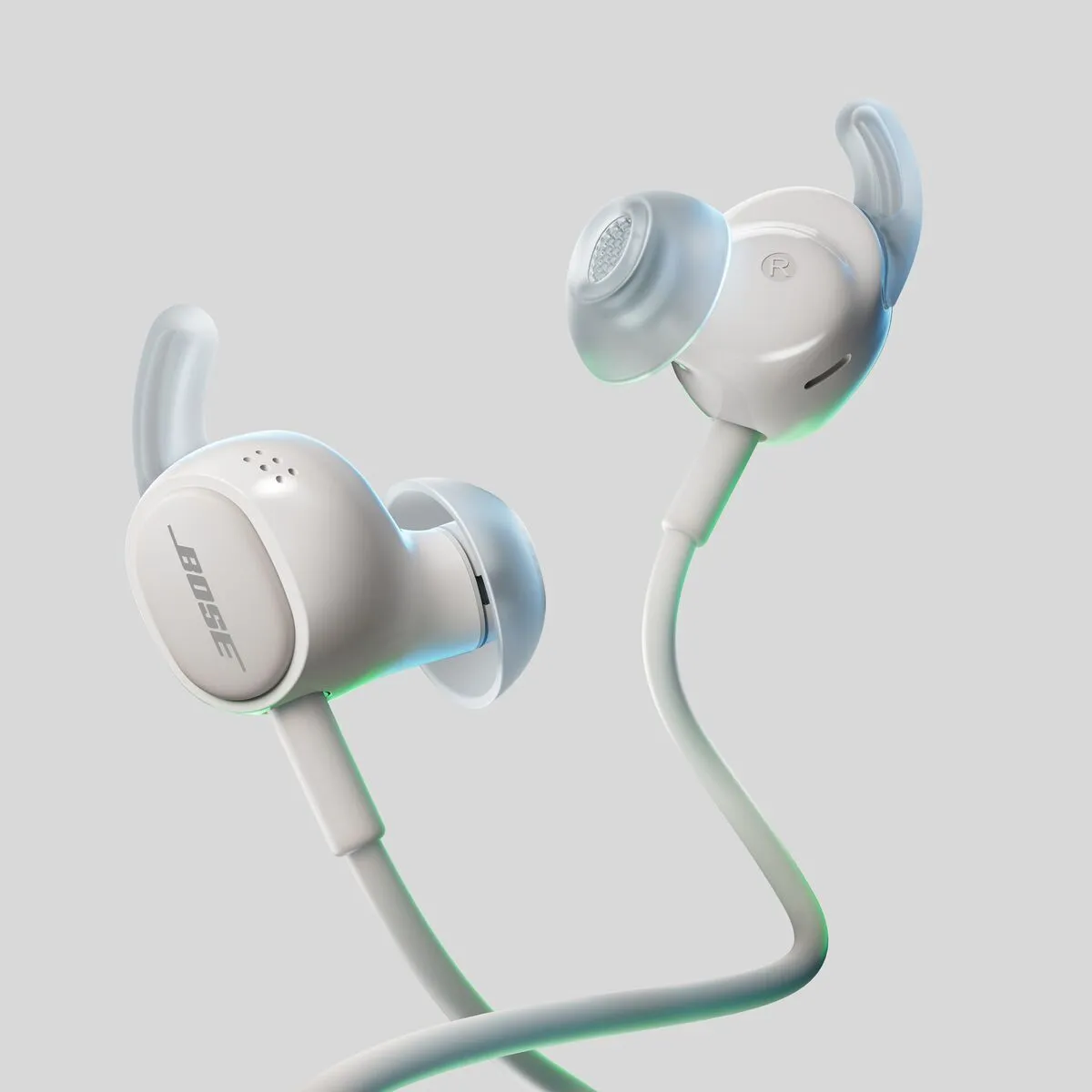
Bose Noise Cancelling Wired Earbuds cost $99 in the United States. The product is available for preorder through Bose.com and Best Buy. Bose says shipping begins October 15, 2026.
The earbuds launch in Black and White Smoke. Bose also offers a limited-edition Dewdrop Mint color.
At $99, the product sits above basic USB-C earbuds and below many premium wireless ANC earbuds. That position gives Bose room to target buyers who want better noise control without paying for a charging case and wireless electronics.
The price also makes the product easier to compare with affordable wireless earbuds. A buyer may pay similar money for a wireless model with a charging case, app controls, and several hours of battery life.
The Bose model instead offers continuous power from the source device. That can be useful for long work sessions, flights, gaming, or desk listening.
Buyers should also consider the cost of replacement parts. Ear tips and stability wings wear out over time. Bose has not yet established the long-term pricing and availability of every replacement component.
How battery-free ANC works
Active noise cancellation requires power. Microphones listen to outside sound, a processor creates an opposing signal, and the earbud speakers play that signal.
Wireless earbuds usually draw that power from a tiny battery inside each earbud. The charging case then replenishes the batteries between listening sessions.
Bose’s wired earbuds draw power through USB-C instead. The phone or computer supplies the energy needed for the microphones, processor, and speakers.
This design removes the battery from the earbud. That creates several advantages:
- No earbud charging.
- No charging case.
- No wireless pairing.
- No battery degradation inside the earbuds.
- Less concern about one earbud draining before the other.
- Potentially more consistent use during long sessions.
The connected device still uses power. A phone may lose battery faster when it powers digital audio and ANC through USB-C.
The power difference may be small or significant depending on the source device. A laptop with a large battery may handle the load easily. A phone used for navigation, cellular data, and screen brightness may lose battery more quickly.
The earbuds also need the USB-C port to remain available. Users may not be able to charge a phone and use the earbuds at the same time without a compatible adapter or hub.
What USB-C changes
USB-C carries digital audio from a compatible device to the earbuds. Bose says the product supports lossless audio up to 24-bit/48 kHz through USB Audio Class 2.
That specification describes the supported audio path. It does not guarantee that every app or device will send lossless audio.
The source file must contain suitable audio data. Streaming services may use compressed formats depending on the subscription and settings.
The device also needs to support USB audio output. Most modern phones, tablets, and laptops do, but compatibility can vary.
USB-C also avoids the analog-to-digital conversion that happens in some older headphone adapters. The connected device sends digital audio, and the earbuds process it directly.
This can reduce uncertainty about cheap analog dongles. It can also create new uncertainty because USB-C accessories do not all behave identically.
Some USB-C ports support charging only. Others support data and audio. Some devices require an operating-system setting or notification before USB audio works.
Users should check their device specifications before buying. This matters especially for budget phones, older tablets, gaming consoles, and workplace computers.
ANC and sound quality
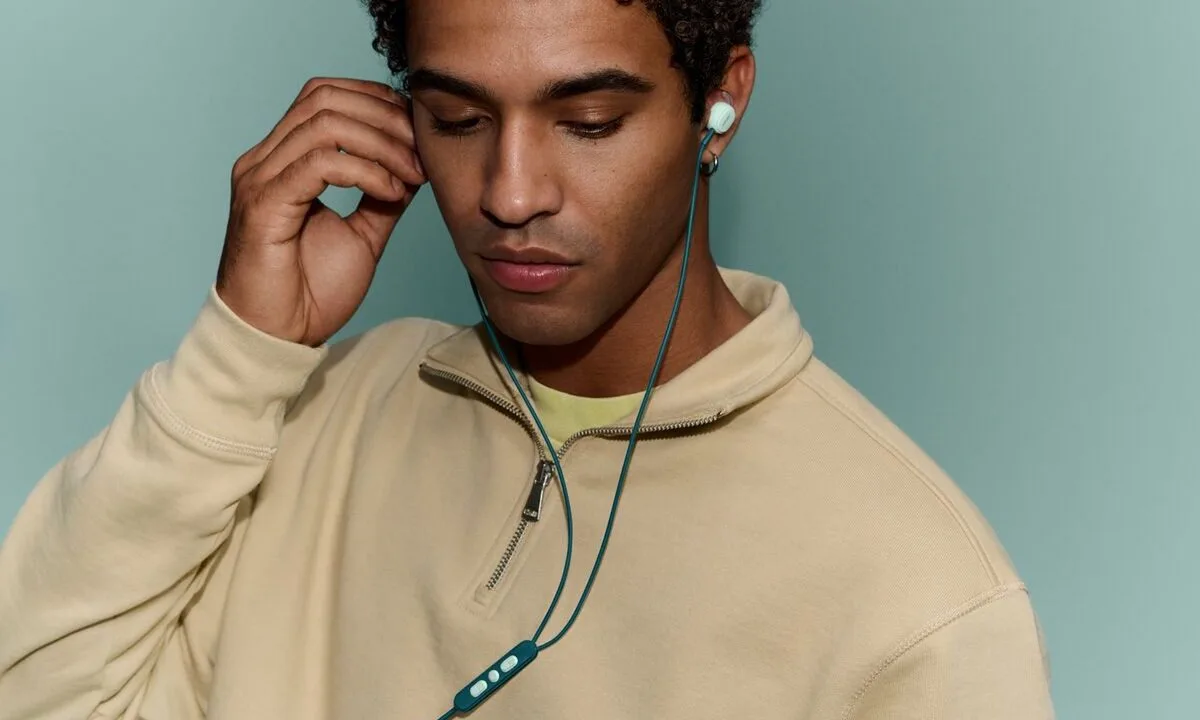
Bose says the earbuds use proprietary QuietControl noise cancellation. The system offers Quiet, Aware, and ANC-off modes.
Quiet mode should reduce steady background sounds such as engines, air conditioners, and office ventilation. Aware mode should allow more outside sound through for conversations and general awareness.
ANC does not remove every sound. Sudden voices, sharp impacts, keyboard clicks, and higher-frequency noise can remain audible.
Fit affects ANC performance. The ear tips must create a stable seal for the earbuds to reduce outside noise effectively.
Stability wings can help keep the earbuds positioned during movement. They may also improve passive isolation, but comfort depends on the shape of each user’s ears.
The wired connection may reduce audio latency. That could make the earbuds useful for gaming, video editing, watching movies, and musical instruments.
Low latency does not automatically mean zero delay. The device, app, operating system, and USB audio path all affect synchronization.
Bose also says the product offers clear call quality. The inline microphone sits closer to the user than some earbud microphones, which may help voice capture.
However, cable microphones can pick up clothing noise, wind, and friction. Independent testing should assess calls while walking, commuting, and using the earbuds outdoors.
Compatibility with phones and computers
The most important buying question is whether the earbuds work with your device.
Many modern Android phones use USB-C for charging and audio. Some iPhones also use USB-C. Laptops, tablets, and desktop computers may provide USB-C audio through their ports.
But the physical connector does not guarantee full compatibility. A USB-C port may support charging without supporting audio output.
Some devices may also control volume differently. The inline remote may work fully with one operating system but provide limited functionality with another.
Users should check:
- Whether the device supports USB Audio Class.
- Whether USB audio output works through the intended port.
- Whether the operating system recognizes the earbuds.
- Whether calls use the inline microphone.
- Whether volume and playback controls work.
- Whether a charging adapter permits simultaneous use.
The earbuds may work with USB-C hubs and adapters, but extra accessories can add complexity. A simple wired product becomes less simple when a phone lacks a headphone port and the user also needs to charge.
Gaming compatibility may vary by console. PCs are usually flexible, but console USB audio support can differ between models and operating systems.
Users should avoid assuming that a USB-C connection works identically across every product.
Wired versus wireless ownership
Wired earbuds offer a different ownership model from wireless earbuds.
Wireless earbuds provide freedom of movement. They work well during commutes, workouts, calls, and daily tasks. They also support app controls, firmware updates, device switching, and spatial-audio features.
Their main weakness is battery dependence. Small lithium-ion cells degrade over time. When those batteries become weak, users may need to replace the entire product.
The Bose wired earbuds avoid that specific problem. The cable and electronics may continue working as long as the connector, remote, drivers, and cable remain functional.
Wired earbuds also avoid pairing problems. Users plug them in and start listening.
They can be useful when Bluetooth is restricted or unreliable. Some airplanes, workplaces, and professional devices limit Bluetooth connections.
Wired audio can also reduce interference from crowded wireless environments. That does not mean every wired system sounds better, but it removes one possible connection problem.
The main disadvantage is physical. A cable can catch on clothing, tangle in a pocket, or pull the earbuds from the ears.
The inline remote adds weight. If it hangs below one ear, it may create cable tension or movement noise.
For users who value convenience above all else, wireless earbuds remain easier. For users who value reliability and ownership life, wired earbuds have a strong case.
TechOzea’s wired versus wireless headphones guide can help readers compare connection reliability, battery needs, comfort, and portability.
Workout, travel, and office use
The Bose earbuds may work well for office listening. They do not require pairing, and users can answer calls from the inline remote.
The cable can also make the earbuds practical for shared workstations. A user can move between computers without saving new Bluetooth connections.
For travel, battery-free ANC is useful. A passenger does not need to worry about a charging case running empty during a long trip.
USB-C compatibility may also be useful on newer aircraft systems, laptops, and tablets. However, airplane entertainment systems often use 3.5 mm headphone outputs, so travelers may still need an adapter.
The IPX4 rating makes the earbuds suitable for sweat and light splashes. It does not make them ideal for heavy rain or water-based activities.
Workout comfort will depend on the stability wings and cable. Some users prefer a wired cable because it keeps the earbuds connected. Others find the cable distracting during running or strength training.
The product may be better for walking, desk work, travel, and indoor exercise than intense outdoor running.
Users should also consider device placement. A phone in a pocket can create cable movement and tugging. A phone in a bag may reduce the cable’s reach.
Limitations buyers should understand
USB-C is not universal in practice
A USB-C plug can fit physically while the device still refuses to send audio. Buyers must check the source device.
The cable can tangle
Wireless earbuds remove cable management. Bose brings that problem back, although many users may accept it for better reliability.
The inline remote adds weight
The control module can pull on the cable. This may create movement noise and discomfort for some users.
The phone battery still matters
The earbuds do not need their own battery, but the source device supplies power. Long ANC sessions can reduce phone battery life.
Charging and listening may conflict
A phone with one USB-C port may not charge while the earbuds are connected. Splitters and hubs may solve this, but they add accessories.
IPX4 is limited protection
The earbuds can handle sweat and splashes. They are not waterproof and should not be submerged.
ANC still depends on fit
The best processor cannot overcome a poor ear-tip seal. Users need to choose the correct tip and wing size.
Who should buy Bose wired earbuds?
These earbuds make sense for users who want simple, reliable audio.
They may suit commuters who dislike Bluetooth pairing and charging. They may also suit office workers who use USB-C laptops and need clear calls.
Travelers may appreciate the lack of battery anxiety. The earbuds can continue working as long as the connected device provides power.
Students may like the lower purchase price compared with premium wireless ANC earbuds. They can use the same pair across a phone, tablet, and computer if all devices support USB audio.
Gamers and video viewers may value low latency. Musicians may also prefer a wired path, although professional monitoring needs should be tested separately.
The product may appeal to people who expect earbuds to last beyond the battery cycle of wireless models. The absence of an internal battery removes one common failure point.
Who should choose wireless earbuds instead?
Wireless earbuds remain the better choice for users who prioritize freedom of movement.
They suit running, commuting, calls while walking, and situations where cables become inconvenient.
Wireless models also provide features Bose’s wired earbuds do not appear to offer, including wireless device switching, app-based EQ, spatial-audio ecosystems, and charging-case convenience.
Users who rely on a single USB-C port for charging should also think carefully. A wireless pair avoids the need to choose between listening and charging.
People who use older devices with 3.5 mm outputs may prefer traditional analog wired earbuds. The Bose model requires USB-C or an appropriate adapter.
Frequently asked questions
How much do Bose Noise Cancelling Wired Earbuds cost?
The earbuds cost $99 in the United States. Bose began preorder availability on September 28, 2026, with shipping scheduled for October 15.
Do Bose wired earbuds need charging?
No. The earbuds do not contain an internal battery. They draw power from the connected USB-C device.
Do Bose wired earbuds have ANC?
Yes. Bose lists QuietControl noise cancellation with Quiet, Aware, and ANC-off modes.
Do they connect through Bluetooth?
No. The earbuds use a wired USB-C connection and do not require Bluetooth pairing.
Do they support lossless audio?
Bose and launch coverage list USB Audio Class 2 support for up to 24-bit/48 kHz audio. Actual lossless playback depends on the source file, app, device, and audio settings.
Are Bose wired earbuds waterproof?
No. The product has an IPX4 rating for sweat and light splashes. It is not designed for immersion or swimming.
Will they work with every USB-C phone?
Not necessarily. The phone must support USB audio output. Buyers should confirm compatibility with the specific phone model.
Are wired earbuds better than wireless earbuds?
Neither design is universally better. Wired earbuds avoid pairing and charging, while wireless earbuds offer more freedom of movement and app-based features.
Conclusion
Bose’s return to wired earbuds is a useful response to real consumer frustrations.
The Bose Noise Cancelling Wired Earbuds avoid Bluetooth pairing, charging cases, tiny battery degradation, and some wireless connection problems. They also add ANC, USB-C digital audio, an inline remote, call support, and lossless playback support.
The $99 price gives the product a clear position. It is more advanced than basic USB-C earbuds, but less expensive than many premium wireless ANC models.
The main trade-off is physical. Users must manage a cable, keep the USB-C port available, and confirm device compatibility.
The product will suit commuters, students, office workers, travelers, and listeners who want dependable audio without charging. It may also suit gamers and video viewers who care about low latency.
Wireless earbuds remain better for users who want maximum freedom, automatic switching, and a fully cable-free experience.
Bose is not replacing wireless earbuds. It is offering a different answer to the same problem: how to make personal audio reliable, comfortable, and easy to use.
The launch also shows that the headphone market is becoming more varied. Future buyers may choose between wireless convenience, wired durability, modular ownership, open-ear awareness, and AI-connected features.
