


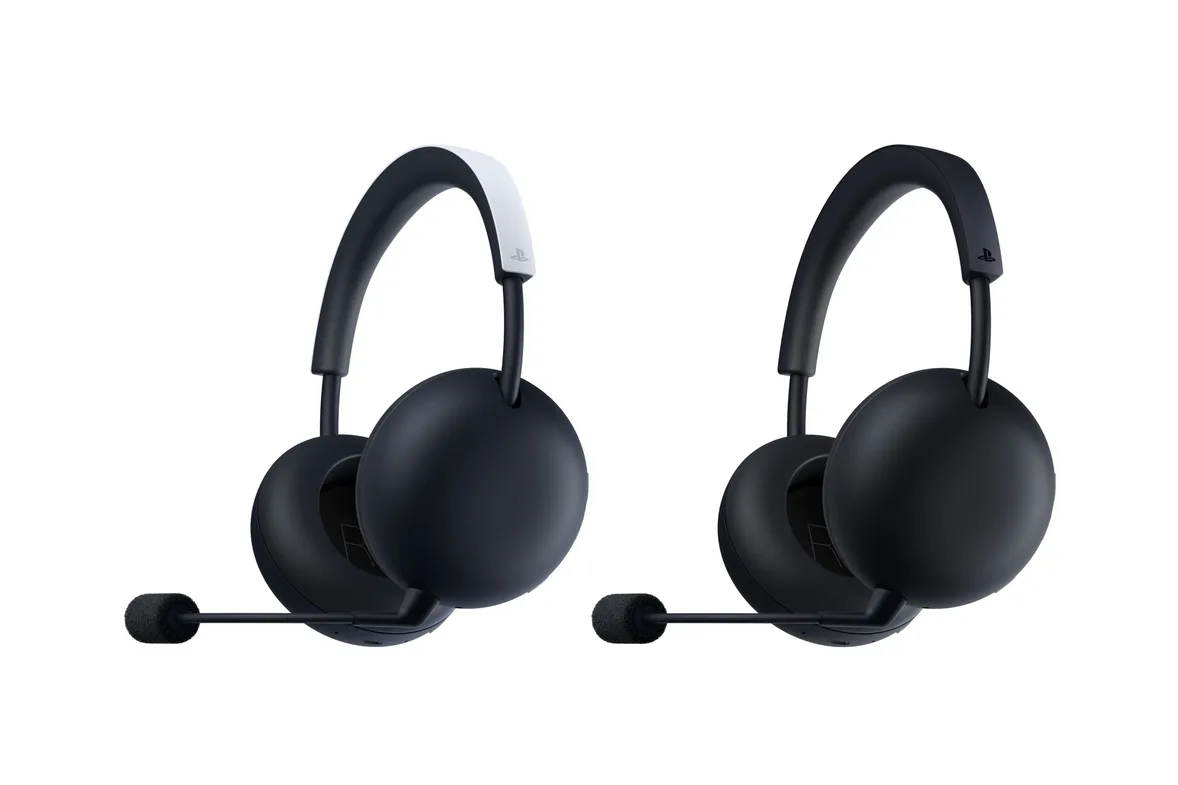
A gaming headset under $100 usually asks buyers to compromise somewhere. You might get wireless convenience but weaker microphone flexibility, or a comfortable fit but limited device switching. Sony’s new PlayStation Pulse Wireless Headset takes a different route: it brings planar magnetic drivers and PlayStation Link connectivity to a $99.99 headset designed for PS5 and supported devices.
The timing matters. Sony has confirmed that the standard Pulse launches in the United States on November 19, 2026, and The Verge published a hands-on report on November 11. That gives buyers a useful first look before the product reaches stores, although it is not yet a substitute for full independent testing of retail units.
The most interesting part is not simply the driver technology. It is the combination of a dedicated PlayStation wireless connection and Bluetooth, which allows the headset to serve as a gaming accessory and a more general wireless audio device. The trade-off is that the standard model leaves out several premium features, including active noise cancellation and a detachable boom microphone.
For PS5 owners who want a simple wireless headset at a controlled price, the Pulse deserves attention. Buyers who need stronger microphone flexibility, ANC or more advanced controls should compare it with the upcoming Pulse Edge and competing gaming headsets before placing an order.
Key Takeaways
-
Sony confirms a $99.99 US price and November 19, 2026 launch for the standard PlayStation Pulse Wireless Headset.
-
PlayStation Link and Bluetooth can be used together, making the headset more flexible than a single-connection gaming accessory.
-
The standard Pulse does not include ANC or a detachable boom microphone, so buyers who need those features should compare the Pulse Edge or third-party alternatives.
What Sony announced
Sony announced the refreshed PlayStation Pulse headset family on September 15, 2026. The range includes the standard PlayStation Pulse Wireless Headset and the more advanced Pulse Edge Wireless Headset. Both are designed around custom planar magnetic drivers and PlayStation Link connectivity, but Sony separates them by price tier and features.
The standard Pulse is the first model scheduled to reach buyers. Sony’s October 21 update confirmed a November 19 release in the United States and selected other markets, with a recommended retail price of $99.99. It will be sold in White and Midnight Black. Preorders began on October 29 through PlayStation Direct and participating retailers.
The November 11 hands-on from The Verge is the freshest independent coverage located for this run. The reviewer describes the headset as comfortable and relatively lightweight, with a sound presentation that was clean and detailed during the hands-on. The reviewer also highlights the ability to use PlayStation Link and Bluetooth at the same time. These are useful early observations, but they are not standardized laboratory results.
That distinction matters. A launch preview can tell buyers how the product feels in an early session and how its controls work. It cannot establish long-term comfort, battery endurance across different settings, microphone quality in every environment or measured wireless latency. Those questions need more extensive testing with retail hardware.
Price, release date and availability
The official US recommended retail price is $99.99. Sony lists November 19, 2026 as the release date for the standard Pulse in the United States. The headset is also scheduled to launch in selected markets including Canada, Australia, New Zealand, Japan and several European countries. Sony says additional markets may receive a release date later.
The price places the Pulse in the entry-level to lower-midrange gaming-headset category. It is not a bare-bones wired headset, because the package includes a PlayStation Link USB adapter and supports Bluetooth as well. However, the price also reflects a deliberate feature split: Sony reserves ANC, a detachable boom microphone, a carrying case and other premium additions for the Pulse Edge.
The US PlayStation Direct listing confirms the included PlayStation Link USB adapter with a USB-C connector. That is important for PC owners and for users who want the dedicated wireless connection rather than relying only on Bluetooth. Sony’s listing also identifies PS5, PlayStation Portal, PC, Mac and mobile devices as compatible product categories.
Buyers should still check the exact retailer listing before ordering. Retailer stock, delivery dates, preorder limits and return conditions can change. The recommended retail price is not a promise that every retailer will sell the headset at that price indefinitely.
PlayStation Pulse Wireless Headset specifications at a glance
| Feature | Sony’s published information |
|---|---|
| Product | PlayStation Pulse Wireless Headset |
| US price | $99.99 recommended retail price |
| US release date | November 19, 2026 |
| Colors | White and Midnight Black |
| Driver type | Custom planar magnetic drivers |
| Wireless connections | PlayStation Link and Bluetooth |
| Simultaneous connections | PlayStation Link and Bluetooth supported |
| Microphone | Integrated microphone with AI-enhanced noise rejection |
| Battery rating | Up to 30 hours |
| Earcups | Flat-folding design |
| Included adapter | PlayStation Link USB adapter with USB-C connector |
| Listed compatibility | PS5, PlayStation Portal, PC, Mac and mobile devices |
| Active noise cancellation | Not listed for the standard Pulse |
| Detachable boom microphone | Not listed for the standard Pulse |
Sony notes that the 30-hour battery figure was tested on pre-production hardware using a PlayStation Link wireless connection. Actual battery life can vary with usage, settings and environmental conditions. The figure should therefore be treated as a manufacturer rating, not a guarantee that every owner will reach the same runtime.
What planar magnetic drivers mean for gaming
The PlayStation Pulse uses planar magnetic drivers, a design more commonly associated with higher-priced headphones and some specialist in-ear monitors. It is one of the headline features Sony is using to distinguish this headset from conventional budget gaming models.
A headphone driver converts an electrical audio signal into movement that creates sound waves. A conventional dynamic driver uses a voice coil attached to a diaphragm. When current flows through the coil, the magnetic field moves it and the diaphragm follows. This is a mature, compact and widely used approach.
A planar magnetic driver works differently. It uses a thin, flat diaphragm with conductive traces distributed across its surface. A magnetic array acts on that diaphragm, spreading the driving force across a wider area rather than concentrating it around a central voice coil. RTINGS explains the underlying construction and compares the practical differences between dynamic and planar magnetic designs.
Why does that matter for gaming? A well-designed headset needs to reproduce more than explosions and background music. Players may also want to hear footsteps, reload sounds, distant movement, dialogue and subtle environmental effects. A driver that is well integrated with the headset’s acoustic design can help reproduce these details clearly.
However, planar magnetic technology is not a shortcut to perfect sound. The driver type alone does not determine frequency response, bass balance, soundstage, imaging or distortion. The enclosure, ear cushions, driver tuning, digital signal processing and fit all influence the final result. A poorly tuned planar headset can sound less enjoyable than a well-tuned dynamic model.
Sony says the Pulse drivers are designed to deliver detail, clarity and spatial accuracy. That is the manufacturer’s intended performance. The Verge’s first impressions are positive, describing the sound as clean and detailed, but those impressions should not be treated as proof that the headset outperforms every dynamic-driver rival.
For buyers, the sensible conclusion is simple: planar magnetic drivers make the Pulse interesting at its price, but the listening test still matters. Wait for full reviews that measure frequency response and evaluate sound with multiple games, music tracks and listening levels.
PlayStation Link versus Bluetooth: why two connections matter
The most useful everyday feature may be the ability to use PlayStation Link and Bluetooth at the same time. That matters because gaming audio and phone audio often serve different purposes.
A player might want game sound from a PS5 while taking a call on a phone. Another user may want a podcast or music playing from a mobile device while gaming. A headset that can maintain both connections can reduce the need to disconnect one device and reconnect another every time the user changes tasks.
Sony describes PlayStation Link as a wireless technology designed for lossless audio and low latency. Its support documentation explains that compatible devices connect through a PlayStation Link USB adapter or another supported PlayStation Link device. Sony also explains that certain PlayStation Link products can connect to a supported PlayStation device and a Bluetooth device simultaneously.
It is important not to mix up the two wireless paths. Sony’s lossless and low-latency descriptions apply to PlayStation Link. The fact that the headset also supports Bluetooth does not mean every Bluetooth connection is lossless or has the same latency characteristics. Bluetooth performance depends on the source device, the headset implementation, codec support and operating conditions.
Sony has not published a Bluetooth version or a supported Bluetooth codec list on the US product listing reviewed for this article. Buyers should not assume support for LDAC, aptX, AAC or a particular Bluetooth LE Audio profile unless Sony publishes that information in a detailed specification or manual.
The Verge’s hands-on also reports that the included USB-C adapter worked with a PS5, PC and Nintendo Switch 2 during testing. Sony’s official compatibility list, however, names PS5, PlayStation Portal, PC, Mac and mobile devices, not Switch 2. The Switch 2 result should be treated as a reviewer-observed connection rather than a formal Sony compatibility guarantee.
If you want a simple explanation of wireless audio, codecs and delay, TechOzea’s guide to how wireless headphones work provides useful background. The important buying point is to check both the source device and the headset connection path rather than relying on the word wireless alone.
Compatibility with PS5, PC, Mac and mobile
The standard Pulse is designed first for the PlayStation ecosystem, but Sony lists more than one device category. The US product page names PS5, PlayStation Portal, PC, Mac and mobile devices. The included USB adapter provides the PlayStation Link connection for supported hardware, while Bluetooth provides a separate route for compatible devices.
PS5
PS5 is the main target. Sony describes integration with the console interface, including access to audio presets and adjustments for volume and chat balance. The dedicated PlayStation Link adapter is included in the box, so buyers do not need to purchase a separate adapter just to use the headset with a compatible USB connection.
PlayStation Portal
Sony lists PlayStation Portal as a compatible device. The Verge reports that the headset can connect directly to Portal without the USB dongle, similar to other PlayStation Link accessories. This is useful for Portal owners who want a direct connection rather than keeping an adapter attached to another device.
PC and Mac
Sony lists both PC and Mac compatibility. The included USB adapter is the obvious route for PlayStation Link use on a computer, while Bluetooth can serve compatible devices for ordinary wireless listening. Buyers who use a work laptop should still confirm the operating system, USB port and audio settings before assuming every feature will work exactly as it does on PS5.
Mobile devices
Sony lists mobile devices as compatible. Bluetooth is the practical connection path for a phone or tablet. The product listing does not provide a detailed list of supported mobile codecs or every operating-system feature, so buyers should not assume that the full PS5 control experience will transfer to iOS or Android.
Nintendo Switch 2
The Verge reports testing the included adapter with Nintendo Switch 2. That is encouraging for multi-platform users, but the console is not listed on Sony’s official compatibility page. If Switch 2 support is essential, verify the connection with the retailer or Sony after launch and check return terms before relying on it as your only gaming headset.
Tempest 3D AudioTech and game audio
Sony says the Pulse is designed to reproduce 3D Audio on PS5 consoles. The console’s Tempest 3D AudioTech is intended to create a more spatial presentation in compatible games, helping position sounds around the listener.
This does not mean every PS5 game will use the same spatial features. Sony’s explanation of Tempest 3D AudioTech describes support in games that implement the technology. A compatible headset can reproduce the console’s headphone audio, but the game itself still needs to provide the relevant audio design and support.
In practical terms, spatial audio can help players understand where sounds are placed in a game world. It may make a scene feel more immersive and can support directional awareness when developers mix audio cues carefully. It should not be treated as a guaranteed competitive advantage. Game design, player settings, the quality of the mix and individual hearing all influence what a player perceives.
The headset’s planar drivers do not create Tempest 3D AudioTech by themselves. The console and supported game provide the spatial processing; the headset reproduces the resulting audio. This distinction is important because marketing often places driver technology and spatial audio in the same paragraph even though they perform different jobs.
Microphone and voice chat: what is confirmed?
The standard Pulse has an integrated microphone. Sony says it uses AI-enhanced noise rejection to reduce unwanted background sounds and improve voice chat clarity. That is a confirmed advertised feature, but it is not an independent microphone test.
For casual party chat, an integrated microphone can be convenient. It keeps the headset compact and removes the need to position a separate boom arm near the mouth. It also makes the headset less visually intrusive when the user is listening to music or watching videos.
The trade-off is microphone placement and control. A boom microphone can be positioned closer to the mouth, and some gaming headsets include a detachable boom that can be moved out of the way when not needed. The standard Pulse does not have the detachable boom microphone Sony lists for Pulse Edge.
The Verge’s hands-on notes that the reviewer accidentally brushed the built-in microphone with a thumb and heard feedback during use. That observation does not establish a general microphone defect, but it is a useful reminder that the location and handling of an integrated mic can matter. A full review should test voice pickup with keyboard noise, fans, room conversations and outdoor background noise.
If you spend hours on work calls as well as gaming, a dedicated work headset may be a better fit. TechOzea’s guide to noise-cancelling headsets with microphones for working from home covers a different category built around voice communication and productivity.
Battery life, comfort and portability
Sony advertises up to 30 hours of battery life. The company’s product listing says the figure was tested on pre-production hardware using PlayStation Link and warns that actual battery life varies with use, settings and environmental conditions. That is the correct way to interpret the rating: it is a best-case manufacturer figure, not a promise for every volume level and connection setup.
The headset has flat-folding earcups for easier storage and portability. The Verge describes the fit as lightweight and comfortable during its hands-on session, and notes that the earcups can rotate widely. These are encouraging first impressions, but head shape, glasses, ear size and personal fit preferences can change the experience.
Comfort is not a minor detail for gaming. A headset can sound excellent but still become frustrating if the clamping force is too high, the earcups create heat or the headband creates a pressure point. Buyers who play for several hours should pay attention to weight distribution, cushion depth and whether the earcups fully surround their ears.
The standard Pulse does not come with the carrying case Sony lists for Pulse Edge. The flat-folding design helps, but it does not replace a protective case for travel. If the headset will spend time in a backpack with a laptop, controller and charging accessories, that missing accessory may matter.
What the standard Pulse is missing
The standard Pulse is not a full-featured premium gaming headset. Sony’s product comparison makes several omissions clear.
First, the standard model does not list active noise cancellation. ANC can reduce steady external noise, such as ventilation or engine rumble, but it is not essential for every gaming setup. If you mostly play at home in a quiet room, the absence may not be a serious problem. If you game in a shared space or travel frequently, it may matter more.
Second, the standard Pulse has an integrated microphone rather than the detachable boom microphone Sony provides with Pulse Edge. A detachable boom gives users more control over microphone placement and can be useful for frequent team chat. The integrated mic is simpler, but it may not suit everyone who prioritizes voice quality.
Third, Sony lists game-audio and chat-balance controls as a Pulse Edge feature in its comparison. The standard Pulse still provides access to audio settings and controls through the product and PS5 interface, but buyers should not assume that it includes the same dedicated control layout as the higher-tier model.
Fourth, the standard Pulse does not list a carrying case or a 3.5mm audio/microphone jack in Sony’s comparison. If a wired fallback, analog compatibility or a protective travel case is important, check the final retail specifications carefully before buying.
These omissions do not automatically make the Pulse a poor value. They show that Sony has chosen to prioritize its wireless audio platform, driver design and basic gaming functions at a lower price. Buyers should judge it against the features they will actually use rather than expecting a $99.99 headset to include every premium option.
PlayStation Pulse versus Pulse Edge
The Pulse Edge is the more advanced model in Sony’s new headset family. Sony says it is planned for early 2027, but the announcement reviewed for this article does not provide a confirmed price or exact launch date.
The most important differences are practical rather than cosmetic. Sony’s comparison lists eight magnets per planar driver for Pulse Edge, compared with four for the standard Pulse. Sony also lists active noise cancellation, a detachable boom microphone, dedicated game/chat balance control, a 3.5mm audio/microphone jack and a carrying case for Edge.
The magnet count is a design specification, not a direct sound-quality score. More magnets do not automatically prove that a headset will sound twice as good or produce twice the bass. The diaphragm, acoustic design, tuning and digital processing still matter.
For a buyer who needs ANC, a boom mic and more flexible controls, waiting for Pulse Edge may be sensible. However, there is no confirmed price yet, so it is not possible to compare the two models on value with confidence.
The standard Pulse makes more sense for buyers who want a simple wireless headset now, are happy with an integrated mic and do not need ANC. It also has the advantage of a confirmed price and launch date.
Who should buy the PlayStation Pulse?
Buy it if you are a PS5 owner who wants a simple wireless headset
The headset’s strongest case is its combination of PlayStation Link and Bluetooth at $99.99. If you want to hear game audio and remain connected to a phone, that is a meaningful everyday benefit. The included adapter also avoids the need to buy a separate PlayStation Link adapter for the supported USB connection.
Consider it if you also use a PC or Mac
Sony lists PC and Mac compatibility, so the Pulse may fit a desk setup as well as a console setup. The practical question is whether you will use the headset mainly through PlayStation Link or Bluetooth. Buyers should test the connection, controls and microphone in their actual operating system after purchase.
Wait if you need ANC or a boom microphone
The standard Pulse does not list ANC or a detachable boom microphone. If those are important, compare Pulse Edge when Sony confirms its price and release date, or consider a third-party gaming headset that already includes them.
Do not buy it only because it uses planar magnetic drivers
The driver type is interesting, but the headset still needs to sound good as a complete system. Wait for independent testing of retail units if you care about frequency response, imaging, distortion or microphone measurements. Driver technology is one part of the product, not a substitute for testing.
Compare it with a general-purpose wireless headphone if you do not mainly game
A gaming headset is not always the best choice for commuting, travel or everyday listening. For buyers who need strong ANC and music-first features, a general-purpose wireless headphone may be more suitable. TechOzea’s Sony WH-1000XM6 review covers a very different feature set focused on everyday listening, noise cancellation and travel.
What buyers should check after launch
Once retail units are available on November 19, the most useful reviews should answer questions that marketing pages cannot settle.
Sound measurements: Independent frequency-response measurements can help show whether the default tuning is bass-heavy, neutral or bright. Distortion measurements can help identify whether the headset remains clean at higher listening levels. These measurements should be taken under stated conditions and should not be confused with manufacturer specifications.
Gaming imaging: A reviewer should test whether footsteps, movement and other directional cues are easy to locate in supported games. The test should describe the game, settings and audio mode used. One subjective gaming session cannot establish universal positional accuracy.
Microphone performance: The integrated mic should be tested with keyboard typing, fan noise, room conversations and outdoor noise. Sony’s AI-enhanced noise-rejection description should be compared with the actual voice recording, not repeated as a proven result.
Battery endurance: A full battery test should state the connection method, volume level, microphone use and other settings. The result should be compared with Sony’s up-to-30-hour rating without assuming every user will reach the same figure.
Wireless behavior: Reviews should test simultaneous PlayStation Link and Bluetooth use, device switching, connection stability and control behavior. They should also distinguish Sony’s PlayStation Link connection from Bluetooth audio.
Fit and long-session comfort: Reviewers should test the headset over several hours and note earcup depth, heat, headband pressure and fit for glasses wearers. The Verge’s initial impression is encouraging, but long-term testing is still needed.
These are the questions that will turn a launch preview into a reliable buying recommendation. Until that evidence is available, the most accurate verdict is that the Pulse looks promising on paper and has received a positive first hands-on, but its complete performance remains to be established.
Conclusion
The Sony PlayStation Pulse Wireless Headset is an interesting addition to the sub-$100 gaming category. Its confirmed $99.99 price, planar magnetic drivers, PlayStation Link connection and simultaneous Bluetooth support give it a distinctive feature combination for PS5 owners.
The compromises are just as important. The standard Pulse does not list ANC, a detachable boom microphone, a carrying case or the more advanced controls Sony reserves for Pulse Edge. Its 30-hour battery figure is a manufacturer rating, and the microphone and sound-quality claims still need more independent testing.
For PS5 players who want straightforward wireless gaming audio and phone connectivity, the standard Pulse is worth watching when it launches on November 19. Buyers who need a stronger microphone setup or ANC should compare alternatives or wait for Pulse Edge pricing. The right choice depends on the features you will use every day, not simply the driver technology printed on the box.
Frequently asked questions
Does the PlayStation Pulse Wireless Headset have active noise cancellation?
No. Sony’s product comparison lists ANC for Pulse Edge, not the standard Pulse Wireless Headset. The standard model should not be described as an ANC headset.
How much does the PlayStation Pulse Wireless Headset cost?
Sony’s recommended retail price for the US is $99.99. Retailer pricing and stock can change, so check the seller’s current listing before ordering.
When does the new PlayStation Pulse headset launch in the US?
Sony has confirmed November 19, 2026 as the US release date for the standard Pulse Wireless Headset.
Can the PlayStation Pulse connect to a phone and PS5 at the same time?
Sony advertises simultaneous PlayStation Link and Bluetooth connectivity. This allows a supported PlayStation connection and a Bluetooth device to remain connected together. The Verge also observed this behavior during its hands-on.
How long does the PlayStation Pulse battery last?
Sony advertises up to 30 hours. The company says this was tested on pre-production hardware using PlayStation Link and warns that actual battery life varies with settings, usage and environmental conditions.
Does the PlayStation Pulse work with PC and Mac?
Yes. Sony lists PC and Mac among the compatible device categories. The included PlayStation Link USB adapter provides the dedicated connection for supported hardware. Bluetooth is another connection option for compatible devices.
Is the standard PlayStation Pulse better than Pulse Edge?
Not necessarily. The standard Pulse has a confirmed $99.99 price and a November 19 launch date. Pulse Edge is planned for early 2027 and adds features such as ANC and a detachable boom microphone, but Sony has not confirmed its price or exact release date in the announcement reviewed. The better option depends on which features matter to you.
