


Key Takeaways
-
Check historical prices: A 40% discount does not automatically mean a product is at its lowest price. Compare its current price with the previous 30, 90 and 365 days.
-
Compare actual headphone value: Sound quality, comfort, ANC performance, battery life and warranty matter more than a large red discount badge.
-
Verify the seller and final price: Check the exact model, seller, condition, shipping charges, return policy and warranty before completing your purchase.
Buying new headphones during Black Friday should be simple. You find a pair you like, see a large discount and place your order.
However, a big discount percentage does not always tell you how much money you are actually saving.
Imagine finding a pair of wireless headphones advertised at 40% off. The retailer displays a previous price of $300 and a sale price of $180.
That looks like an excellent offer.
But what if the same headphones were selling for $185 two weeks earlier?
You are not necessarily getting the exceptional bargain suggested by the discount badge.
This is an important issue for anyone shopping for headphones, earbuds or other consumer electronics during the 2026 holiday season.
A recent investigation by Groundwork Collaborative has renewed questions about how Amazon presents discounts during major shopping events. The organization examined hundreds of products advertised during previous Black Friday and Cyber Monday events and compared their sale prices with earlier prices.
Amazon strongly disputes the investigation’s conclusions.
At the same time, several major headphone discounts have appeared across US retailers. Apple’s AirPods Pro 3 have reportedly reached $149, Sony’s WH-1000XM4C has fallen to $198, and Nothing’s CMF Buds 2a has dropped below $20.
These offers deserve attention, but buyers should understand what the prices actually represent.
In this analysis, we examine the pricing controversy, review the available evidence, explain the technology behind the discounted headphones and show you how to identify genuine savings before spending your money.
The goal is not simply to find the biggest discount.
It is to help you buy the right headphones at a price that makes sense.
What Happened With Amazon’s Black Friday Discounts?
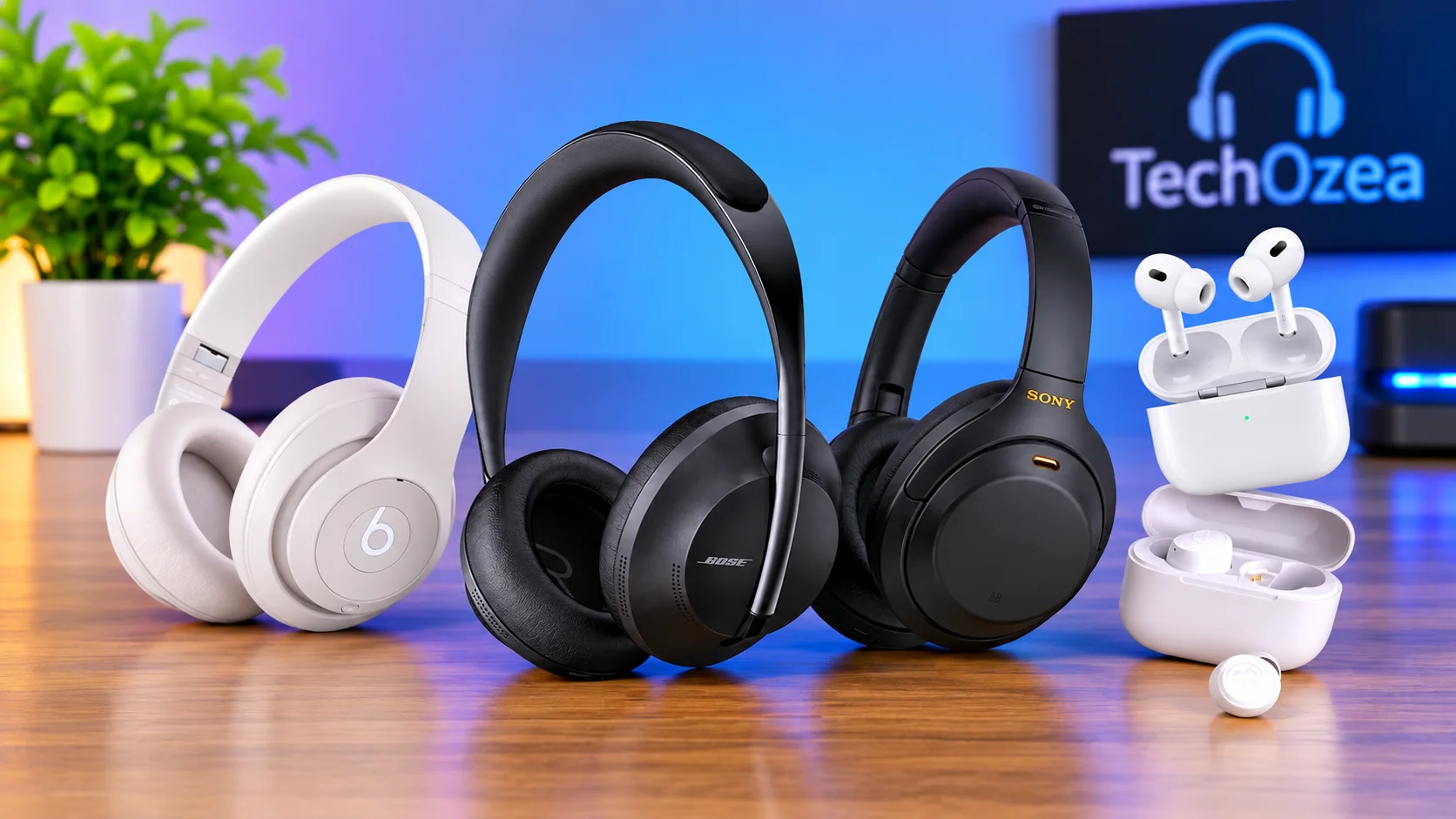
The latest discussion began with a report from Groundwork Collaborative titled Deal or Decoy? Amazon’s Deceptive Discounts.
Published on November 16, 2026, the investigation examined products Amazon promoted during Black Friday and Cyber Monday sales in 2024 and 2025.
Researchers wanted to answer a straightforward question:
Were shoppers actually paying less during the advertised sales than they could have paid in the weeks before?
The investigation compared Amazon’s promotional prices with historical pricing information collected through Keepa, a service that tracks Amazon product prices.
Groundwork reported that many advertised discounts did not beat the lowest prices available during the preceding month.
The organization also found products whose advertised sale prices were higher than earlier prices.
The report attracted further attention on November 27 when The Guardian covered the findings and Amazon’s response.
This matters because Black Friday has become an important purchasing period for American households.
People often wait for holiday promotions before buying expensive products, including noise-cancelling headphones, wireless earbuds, smartwatches, laptops and smartphones.
Some shoppers also plan their budgets around these events.
When a retailer displays a large discount, consumers naturally expect to receive a better price than they would have received during ordinary shopping days.
The controversy raises a practical question: How can consumers confirm that the advertised savings are genuine?
The original Groundwork Collaborative investigation provides the underlying research, while The Guardian’s November 27 report explains the public disagreement.
What the Groundwork Investigation Actually Found
The most important part of the investigation is its historical-price comparison.
Rather than simply comparing a promotional price with a manufacturer’s suggested retail price, Groundwork examined what consumers could have paid shortly before the sale.
That distinction is important.
A manufacturer may recommend that a pair of headphones retail for $299. However, the product might regularly sell for $229.
If a retailer advertises it for $219 and displays a previous price of $299, the discount appears much larger than the difference between the sale price and the more recent market price.
Groundwork examined 351 unique products across the promotional periods it studied.
Its main findings were:
|
Finding |
Reported result |
|---|---|
|
Products priced the same or higher than their preceding 30-day low |
29.1% |
|
Products priced higher than their preceding 30-day low |
9.4% |
|
Products priced the same or higher than their preceding 90-day low |
57.3% |
These are findings from the organization’s research sample, not a measurement of every product sold by Amazon.
Why the 30-day comparison matters
A 30-day price comparison gives shoppers a more useful picture than an advertised reference price alone.
Consider a fictional headphone model.
|
Pricing information |
Amount |
|---|---|
|
Advertised original price |
$300 |
|
Current promotional price |
$200 |
|
Lowest price during the previous 30 days |
$195 |
|
Lowest price during the previous 90 days |
$185 |
The promotional price appears to save $100 compared with the advertised original price.
But it is actually $5 more expensive than the lowest price available during the preceding month.
It is also $15 higher than the 90-day low.
This does not automatically make the $200 price bad. The shopper might still consider it reasonable.
However, it changes how the discount should be understood.
Instead of claiming an exceptional $100 saving, a more useful assessment would explain that the product is currently available for $200, slightly above its recent lowest price.
That is the kind of information consumers need.
Why historical data is more useful than a percentage badge
A discount percentage only tells you the difference between two prices selected for comparison.
It does not necessarily explain whether the previous price was common, recent or representative of what shoppers normally paid.
Historical pricing helps answer three questions:
-
Was the product cheaper recently?
-
How long has the current price been available?
-
Is the current offer meaningfully better than ordinary prices?
This is especially useful for headphones because many models receive frequent promotional discounts.
A product can have a high advertised retail price while regularly selling at a much lower amount.
The real value of a Black Friday promotion therefore depends on the actual pricing history.
Amazon’s Response and the Methodology Dispute
Amazon rejected Groundwork Collaborative’s findings.
In a company statement published on November 16 and updated November 20, Amazon described the investigation as methodologically flawed.
The company raised several objections.
First, Amazon argued that Groundwork examined only a small selection of products compared with the millions of deals available during its shopping events.
Second, Amazon claimed that some products included in the investigation were not actually marked as official deals in its store.
Third, the company questioned the historical prices used in the comparisons and argued that some Early Event promotions were not properly accounted for.
Amazon also conducted its own analysis of products associated with the investigation.
It reported that 98% of the products in 2024 and 99% in 2025 were available at the same or lower prices than their preceding 30-day lows.
For its 2025 analysis, Amazon said 89% were cheaper and 10% were available at the same price as the previous 30-day low.
These figures represent Amazon’s own assessment and should not be treated as an independent replication of Groundwork’s methodology.
What consumers should understand
The disagreement highlights an important limitation in pricing research.
Two organizations can reach different conclusions when they select different products, define deals differently or use different comparison periods.
For example, an investigation examining products displayed on a retailer’s promotional pages might include items that the retailer later argues were not official deal-badged products.
Similarly, a retailer might apply its own internal criteria when deciding which prices qualify for a discount badge.
Neither side’s position should automatically be treated as the final answer.
The most responsible conclusion is that historical price verification is important, and that the available investigation has raised legitimate questions that remain disputed.
Consumers do not need to decide which organization is right before checking the price of their next headphone purchase.
They can examine the product’s own pricing history.
Why Headphone Shoppers Should Pay Attention
Headphones are particularly interesting during Black Friday because the market contains products at very different price levels.
You can find wireless earbuds for under $20, mainstream noise-cancelling headphones for around $100 and premium models costing several hundred dollars.
The difference between a genuine bargain and a poor purchase can be significant.
Premium headphones often receive large promotional discounts
Premium headphones typically have higher advertised retail prices.
A $100 reduction on a $350 pair of headphones looks impressive.
However, the consumer still needs to understand what the product offers and whether the sale price is competitive.
For example, a premium model might include:
-
More effective active noise cancellation.
-
Better microphone performance.
-
Higher-quality materials.
-
More comfortable ear cushions.
-
Multipoint Bluetooth connectivity.
-
Longer battery life.
-
Advanced companion-app features.
If these features are important to your daily routine, paying more could make sense.
But a lower price on an expensive model does not automatically make it better value than a less expensive alternative.
Budget earbuds create a different challenge
Budget earbuds often compete through attractive specifications.
A pair of $20 earbuds might advertise active noise cancellation, multiple microphones, fast charging and water resistance.
Those features can be useful.
However, their presence does not prove that the earbuds perform as well as more expensive alternatives.
The strength of ANC, microphone clarity, comfort and sound quality must be evaluated separately.
A $20 pair of earbuds might be a sensible purchase for occasional listening.
It might not be the right choice for someone who spends several hours every day on flights or in noisy offices.
A discount does not change the product’s limitations
Suppose you find headphones advertised at 60% off.
Before buying, consider:
-
Does the model fit comfortably?
-
Is its noise cancellation effective?
-
Does it work well with your smartphone?
-
Is the microphone suitable for calls?
-
Can you replace its ear cushions?
-
Is the battery life sufficient?
-
Does the manufacturer provide a useful warranty?
These questions matter more than the percentage shown beside the product.
For additional buying guidance, see TechOzea’s best wireless earbuds guide and wireless-earbud buying guide.
Three Black Friday Headphone Deals Worth Examining
The following products provide useful examples of how to evaluate promotional prices.
The prices are based on reports published on November 27, 2026. They can change, and availability should be confirmed at the retailer before purchasing.
1. Apple AirPods Pro 3 — $149
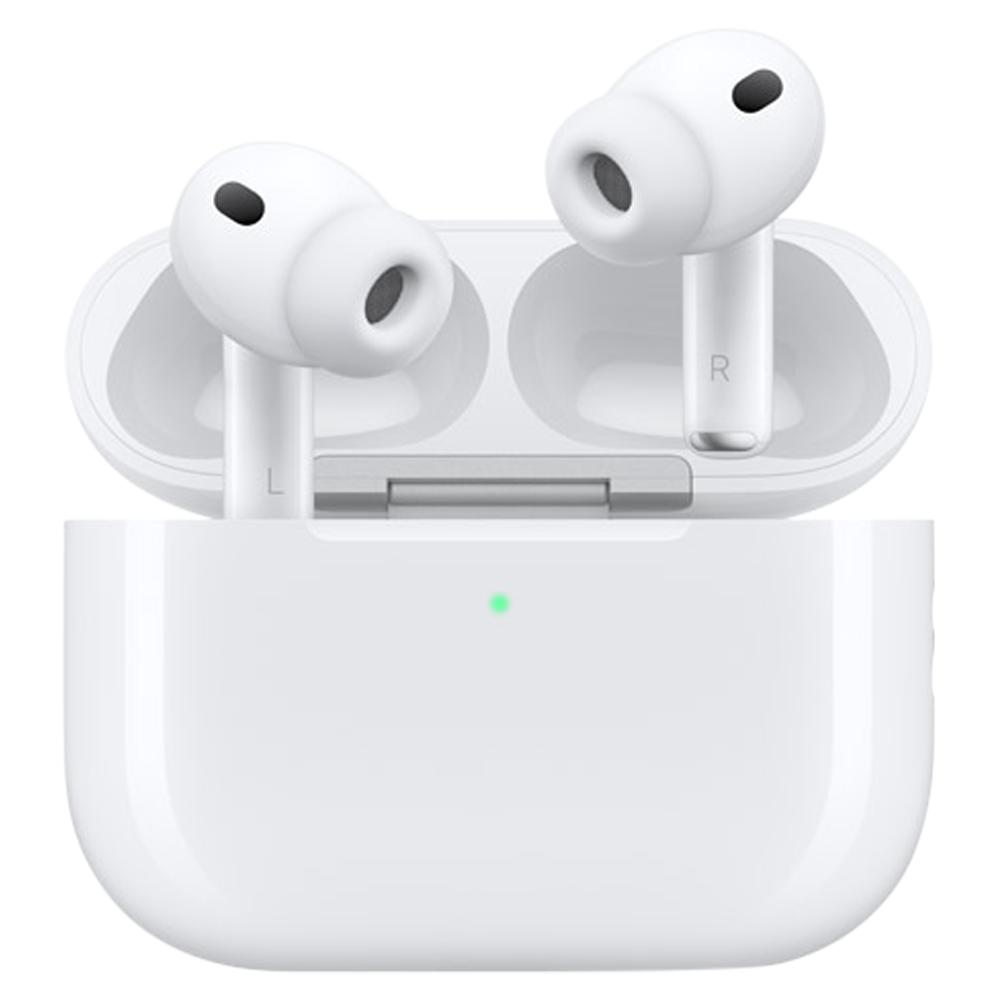
The AirPods Pro 3 are among the most notable headphone-related Black Friday offers.
SFGate reported that the earbuds were available for $149, compared with their $249 retail price.
That represents a reduction of approximately 40%.
The Verge also reported the $149 promotion across major US retailers.
What makes the product interesting?
Apple’s third-generation AirPods Pro include several features that make them more than basic wireless earbuds.
The manufacturer lists:
-
Active noise cancellation.
-
Adaptive Audio.
-
Transparency mode.
-
Heart-rate sensing.
-
Live Translation in supported languages and regions.
-
Hearing-health features.
-
Five silicone ear-tip sizes.
-
IP57 dust, sweat and water resistance.
-
Bluetooth 5.3.
Apple rates the earbuds for up to eight hours of listening on a single charge with ANC enabled under its specified testing conditions.
Who should consider them?
These earbuds are particularly attractive for iPhone owners who already use Apple’s ecosystem.
They offer convenient integration with compatible Apple devices and several features that extend beyond music playback.
However, buyers using Android smartphones should consider whether they need the Apple-specific features before purchasing.
Our editorial assessment: At the reported $149 price, the AirPods Pro 3 deserve serious consideration from iPhone users looking for premium ANC earbuds. The purchase decision should still depend on fit, compatibility and personal listening preferences.
2. Sony WH-1000XM4C — $198
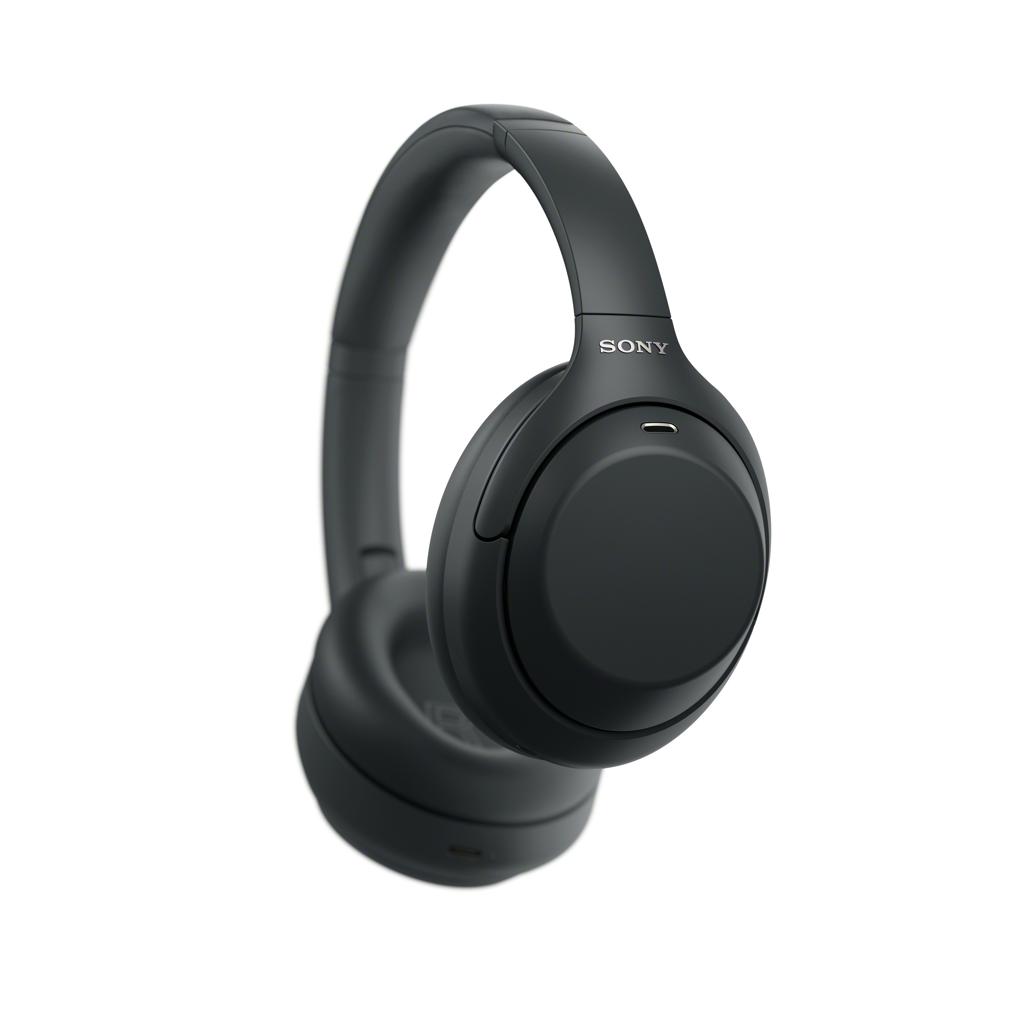
The Verge reported that the headphones had fallen to $198 from their $300 October launch price.
The publication identified Amazon and Walmart as sellers at the reported $198 price, with Best Buy listed at $200.
What does Sony offer?
The WH-1000XM4C is an over-ear wireless headphone designed for everyday listening and noise reduction.
Sony’s official documentation lists:
|
Feature |
Specification |
|---|---|
|
Weight |
Approximately 253g |
|
Battery with ANC |
Up to 27 hours |
|
Battery without ANC |
Up to 34 hours |
|
Bluetooth |
Version 6.0 |
|
Codecs |
SBC, AAC, LDAC |
|
Multipoint |
Yes |
|
Equalizer |
Customizable 10-band EQ through the app |
Why the discount matters
The WH-1000XM4C targets people who prefer over-ear headphones rather than small earbuds.
Its foldable design, active noise cancellation and customizable sound make it worth examining for commuting, travel and everyday listening.
It also gives buyers an alternative to spending considerably more on the Sony WH-1000XM6.
However, shoppers should compare both models before deciding.
The more expensive model may offer improvements that matter to frequent travelers or demanding listeners, while the discounted XM4C may provide sufficient performance for everyday use.
Our editorial assessment: The reported $198 price makes the WH-1000XM4C an interesting premium headphone option. Buyers should compare comfort, fit, ANC and the full feature set before choosing it over newer Sony models.
3. Nothing CMF Buds 2a — $17.89
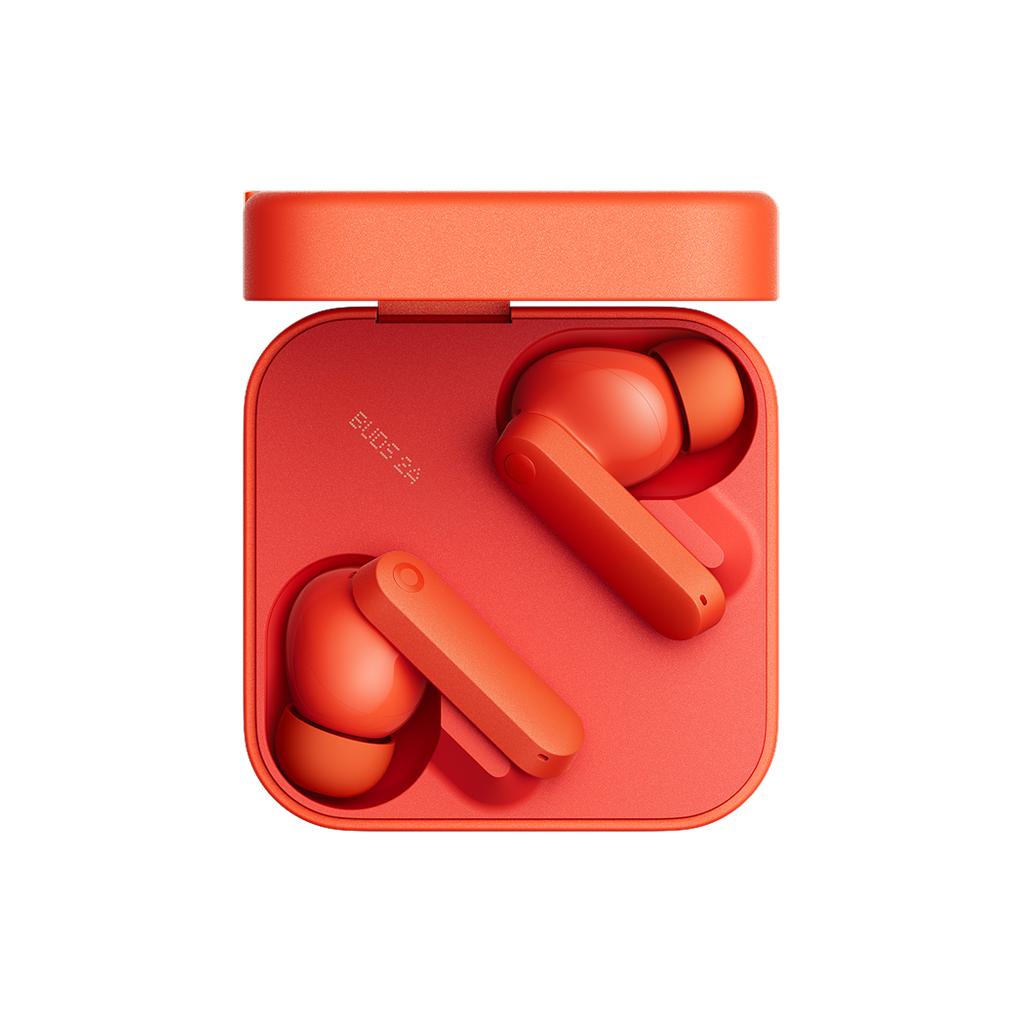
The CMF Buds 2a offer an example of a budget-oriented Black Friday purchase.
The Verge reported that the black version was available for $17.89 on Amazon, with other colors around $19.99. Nothing’s US product page also displayed a $20 price against a $29 reference price when checked.
What features do you get?
Nothing lists:
-
12.4mm dynamic drivers.
-
Up to 42 dB advertised active noise cancellation.
-
Four microphones.
-
Transparency mode.
-
Bluetooth 5.4.
-
Google Fast Pair.
-
Dual-device connection.
-
IP54-rated earbuds.
-
Up to 35.5 hours of combined playback with the charging case under ANC-off test conditions.
The manufacturer also specifies up to eight hours of playback on the earbuds alone with ANC disabled and up to five hours with ANC enabled.
Are they worth buying?
The CMF Buds 2a could be useful for someone who needs inexpensive everyday earbuds.
They may also appeal to students, occasional listeners and buyers looking for a spare pair.
However, the advertised 42 dB ANC figure is a manufacturer specification, not proof of flagship-level noise cancellation.
Buyers should also consider microphone performance, comfort, sound quality and how effectively the earbuds fit their ears.
Our editorial assessment: At the reported price, these earbuds are worth considering as an inexpensive option. Do not expect them to replace a premium noise-cancelling headphone system.
A fourth offer: Costco’s AirPods bundle
There is another useful example of why the lowest price does not always mean the best overall value.
Engadget reported that Costco offered AirPods Pro 3 for $179 with two years of AppleCare+ coverage.
It also reported that Amazon and Best Buy had the earbuds for $149 without the included Costco coverage.
For a shopper who already has a Costco membership and wants extended coverage, the bundle may offer a better overall package.
Someone who only wants the lowest upfront price might prefer the $149 offer.
The important point is to compare the complete purchase rather than looking at the product price alone.
How to Verify a Genuine Headphone Discount
This is the most useful part of the entire Black Friday shopping process.
You do not need advanced financial knowledge to compare prices.
You simply need a consistent method.
Step 1: Identify the exact headphone model
Start by confirming the complete model name.
Manufacturers sometimes sell multiple versions of similar headphones.
For example, one product family may include:
-
Standard and premium editions.
-
Different generations.
-
Different charging cases.
-
Wired and wireless variants.
-
Region-specific configurations.
Check the model number and configuration before comparing prices.
A $100 difference between two products might reflect different specifications rather than a genuine discount.
Step 2: Check the previous 30-day price
A useful first step is comparing the current price with what the product cost during the previous month.
Amazon now provides price-history information through its Alexa for Shopping experience on eligible product pages.
According to Amazon, customers can access 30-day, 90-day and 365-day historical price information.
This gives shoppers more context than an advertised MSRP comparison alone.
Step 3: Examine the 90-day and 365-day history
Do not stop at the 30-day comparison.
A headphone might have been discounted several times over the previous three months.
For example:
|
Price history |
Amount |
|---|---|
|
Advertised MSRP |
$300 |
|
Current Black Friday price |
$199 |
|
Previous 30-day low |
$205 |
|
Previous 90-day low |
$179 |
|
Previous 365-day low |
$169 |
In this example, $199 is cheaper than the recent monthly low.
However, it is more expensive than the lowest price seen over the previous year.
That does not mean you should wait indefinitely.
It simply gives you more information to make a sensible purchase decision.
Step 4: Use independent price trackers
Amazon’s built-in history is useful, but buyers can also examine independent price-tracking services.
Keepa provides historical Amazon price charts and price-drop alerts.
It can help shoppers understand how prices have changed over time.
When using price-tracking services, confirm that you are examining the correct product listing and seller.
Do not compare a new pair of headphones with a refurbished listing or a different product variant.
Step 5: Compare different retailers
Amazon is not the only retailer offering Black Friday promotions.
Check:
-
Amazon.
-
Best Buy.
-
Walmart.
-
Target.
-
Costco.
-
Manufacturer websites.
The same headphones might have different prices depending on the retailer.
A seller might also include an additional warranty, a gift card or another accessory.
However, compare the exact model and condition.
A lower price for a refurbished product is not directly comparable with a new retail unit.
Step 6: Calculate the actual savings
The simplest way to calculate a discount is:
Suppose a headphone costs $249 and is now $149.
The advertised discount is approximately 40%.
However, the calculation only describes the difference between the two prices.
It does not prove that $249 was the product’s usual selling price.
This is why historical pricing is important.
Step 7: Check the seller and product condition
Before purchasing, confirm who is actually selling the headphones.
Look for:
-
The manufacturer or an authorized retailer.
-
New, refurbished or open-box condition.
-
Product authenticity.
-
Warranty coverage.
-
Return eligibility.
-
Shipping costs.
-
Delivery estimates.
Be careful with unusually cheap products from unfamiliar sellers.
The FTC’s online shopping guidance recommends checking sellers and products, comparing total costs and reading delivery and return policies.
Step 8: Check the final checkout price
The displayed price may not be the final amount you pay.
Additional costs can include:
-
Shipping.
-
Sales tax.
-
Membership requirements.
-
Optional protection plans.
-
Accessories.
-
Financing charges.
Always examine the final amount before placing an order.
Why Headphone Specifications Matter More Than Discount Percentages
A genuinely discounted product can still be the wrong purchase.
The most important thing is matching its features to your listening needs.
Active noise cancellation
Active noise cancellation uses microphones and electronic processing to reduce unwanted background noise.
It is particularly useful for steady sounds such as airplane engines, traffic and ventilation systems.
However, ANC does not remove every sound.
Human voices, sudden noises and other changing sounds can remain audible.
The seal created by ear tips or over-ear cushions also affects how much noise reaches your ears.
This is why a headphone’s real-world performance matters more than a single advertised ANC figure.
For a more detailed explanation, read TechOzea’s guide to how active noise cancelling works.
Sound quality
A good pair of headphones should reproduce music clearly and comfortably.
Consider:
-
Bass response.
-
Vocal clarity.
-
Treble detail.
-
Instrument separation.
-
Distortion.
-
Equalizer customization.
A larger driver does not automatically mean better sound.
Likewise, expensive headphones are not guaranteed to match every listener’s preferences.
Your listening habits and preferred sound signature should influence the decision.
Battery life
Manufacturers generally publish battery estimates based on specific testing conditions.
Actual battery performance depends on:
-
Listening volume.
-
ANC settings.
-
Bluetooth connection.
-
Environmental conditions.
-
Additional features.
For example, the CMF Buds 2a manufacturer rates the earbuds for up to eight hours of playback without ANC, but its specified ANC-on estimate is lower.
That distinction matters when comparing products.
Comfort and fit
Comfort is particularly important for people who use headphones for long periods.
Over-ear models should have comfortable cushions and balanced clamping force.
Earbuds should fit securely without causing pain or pressure.
A discounted product is not good value if you cannot comfortably wear it.
For additional comparisons, TechOzea’s best noise-cancelling headphones guide covers several different listening needs.
Connectivity and compatibility
Check whether the headphones work with your phone, tablet and computer.
Important considerations include:
-
Bluetooth version.
-
Multipoint support.
-
Supported audio codecs.
-
Companion applications.
-
Fast Pair support.
-
Device-specific features.
-
Wired listening options.
For example, Sony’s WH-1000XM4C supports LDAC, AAC and SBC.
Apple’s AirPods Pro 3 offer a different set of ecosystem features that may appeal more to iPhone users.
Neither product is automatically the right choice for everyone.
The US Consumer-Protection Rules Behind Sale Pricing
The pricing discussion also raises an important regulatory question.
What protections do American shoppers have when retailers advertise discounts?
The Federal Trade Commission provides guidance on deceptive pricing.
The relevant document is 16 CFR Part 233 — Guides Against Deceptive Pricing.
Section 233.1 addresses former-price comparisons.
The guidance explains that a previous price should be genuine and should have been openly offered to the public on a regular basis for a reasonably substantial period.
A fictitious higher price used to make a subsequent reduction look larger can create a misleading bargain claim.
Does the US have a universal 30-day price rule?
No universal federal requirement of that kind should be assumed from the FTC guide.
The federal guidance addresses the genuineness of former-price comparisons, while state consumer-protection laws may impose additional requirements.
The European Union has a different approach.
Its Omnibus Directive includes a prior-30-day lowest-price requirement for certain advertised price reductions.
That European framework should not be presented as a universal US requirement.
What shoppers can do
Even without relying on a particular regulatory rule, consumers can protect themselves through careful comparison shopping.
The FTC recommends:
-
Checking the seller and product.
-
Comparing the total cost.
-
Reading the full product description.
-
Checking delivery and refund policies.
-
Keeping purchase records.
-
Using credit cards when appropriate.
These are practical habits that can help prevent avoidable shopping problems.
What to Watch After Black Friday
The headphone market is only one part of a much larger holiday-shopping period.
Reuters reported on November 28 that Adobe Analytics expected US Black Friday online spending to finish between $13 billion and $13.4 billion.
The report said online spending had reached $9.7 billion by 6:30 p.m. Eastern Time on November 27, representing a 12.8% increase compared with the corresponding period in 2025.
These were estimates and preliminary figures, not a final spending result.
Reuters also reported that Cyber Monday was forecast to generate $15.1 billion in online spending.
For headphone shoppers, several developments deserve attention.
Cyber Monday pricing
Some products may receive additional discounts when retailers adjust their promotions.
However, shoppers should not assume that Cyber Monday will automatically provide a lower price.
Compare the actual historical price before deciding to wait.
Product availability
Popular colors and configurations can sell out.
A discount that remains advertised might not be available for every version.
Always check the specific product listing.
Warranty and return policies
Some retailers provide different return periods or warranty arrangements.
This can make one offer more attractive than another, even when the initial price is slightly higher.
More transparent price information
Amazon’s expanded price-history feature is particularly relevant.
By providing access to historical prices, the company gives consumers another way to evaluate promotions.
Whether buyers use Amazon’s information or independent trackers, the direction is useful: shopping decisions should increasingly rely on price evidence rather than promotional language.
Conclusion
Black Friday 2026 has brought several interesting headphone discounts to US shoppers.
The reported $149 AirPods Pro 3 offer, $198 Sony WH-1000XM4C promotion and sub-$20 CMF Buds 2a deal are worth examining.
However, the broader discussion around Amazon’s promotional pricing shows why buyers should be careful about relying on advertised discount percentages.
Groundwork Collaborative’s investigation raises questions about historical prices, while Amazon disputes the research and presents its own analysis.
The available evidence does not establish that every Black Friday promotion is misleading.
It does establish the value of checking prices, comparing retailers and examining product features before purchasing.
At TechOzea, we believe the best headphone deal is not necessarily the product with the biggest discount.
It is the pair that provides the sound, comfort, features and reliability you need at a price supported by actual market information.
Our recommendation: Check the 30-day and 90-day price history, compare the exact headphone model across retailers and evaluate its features before completing your purchase.
A smaller genuine saving on headphones you will use every day can be better than a large advertised discount on a product that does not meet your needs.
Frequently Asked Questions
1. Are Black Friday headphone deals actually worth buying?
They can be. Some promotions provide meaningful savings, particularly when a product reaches a documented historical low. Compare the current price with previous prices and check the product’s features before purchasing.
2. How can I check whether Amazon headphone discounts are genuine?
Use Amazon’s price-history feature on eligible products to examine 30-day, 90-day and 365-day pricing information. You can also use Keepa to compare historical Amazon prices.
3. Are AirPods Pro 3 worth buying at $149?
At the reported November 27 price, they are worth considering for iPhone users who want premium ANC, heart-rate sensing and Apple ecosystem integration. Confirm the current price and make sure the fit suits your ears.
4. Is the Sony WH-1000XM4C better than the WH-1000XM6?
The XM6 is the newer premium model, while the XM4C offers a lower-priced alternative with strong specifications. The better choice depends on your budget, comfort preferences and whether you need the newer model’s improvements.
5. Are cheap ANC earbuds worth buying?
They can be suitable for everyday listening and occasional noise reduction. However, budget ANC products may not provide the same performance as premium headphones. Evaluate comfort, sound quality and microphone performance as well.
6. What is the best price tracker for headphones?
Amazon’s built-in price-history feature and Keepa are useful options for examining historical Amazon prices. Always check the correct model, seller and product condition.
7. Should I wait until Cyber Monday to buy headphones?
Not necessarily. Some Black Friday prices may already be competitive, while other products could receive additional reductions. Compare historical prices and purchase when the current offer meets your requirements.
8. What should I check before buying discounted headphones?
Confirm the model, sound quality, ANC, comfort, battery life, Bluetooth compatibility, seller, warranty, return policy and final checkout price.
